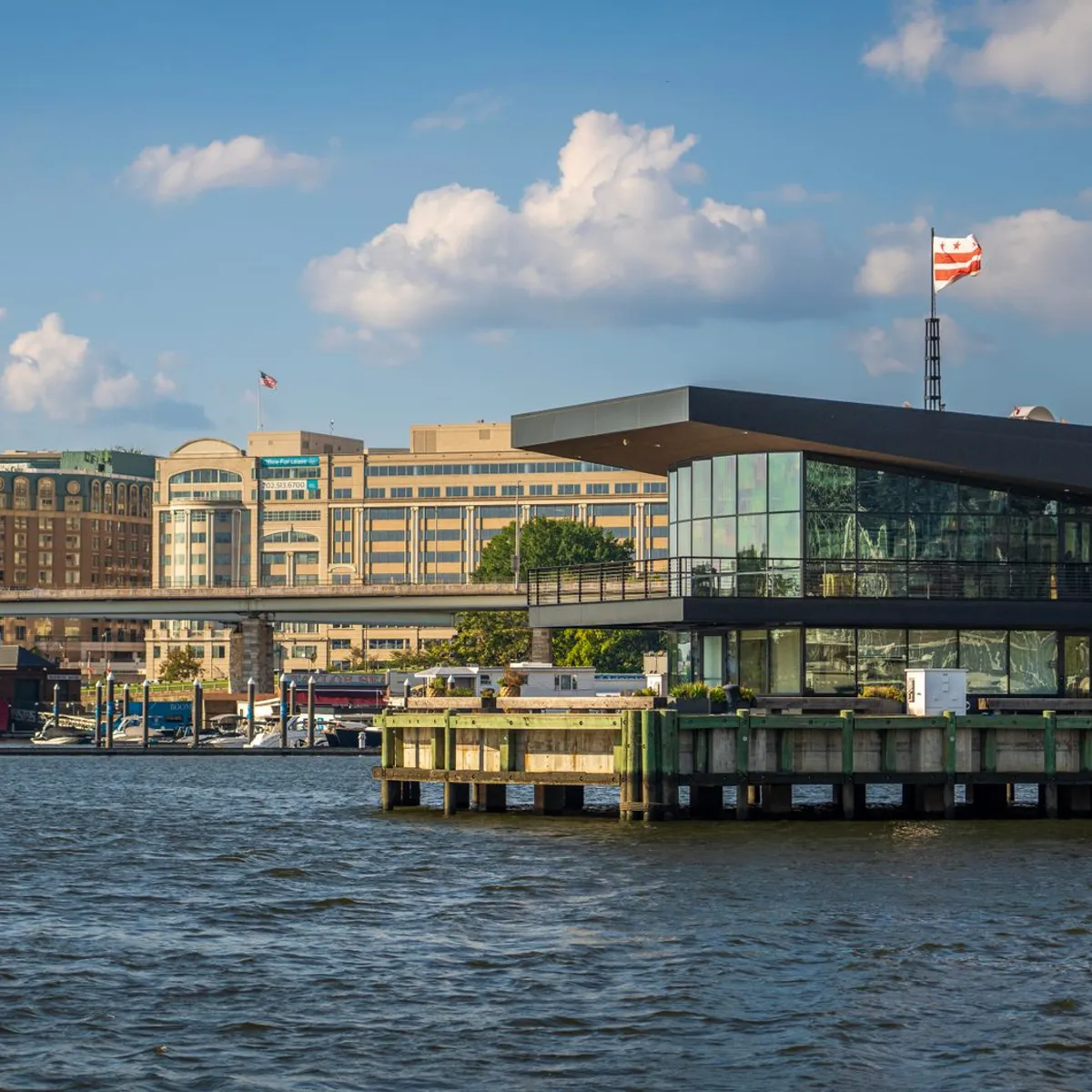
 Photo: Mark Stebnicki / Pexels
Columbia
Columbia accessibility for wheelchair users
Compare Columbia by accessibility, transport, terrain, healthcare, cost, weather, laws, reviews, and community notes.
Columbia accessibility scores
Compare Columbia by accessibility, transport, terrain, healthcare, cost, weather, and laws. General stats use public data and models. Community rows reflect member reviews and votes.
General stats
National benchmarks and estimates — your experience in this city may differ.
Community
Starts from our estimate — thumbs up nudge toward Excellent, down toward Poor. Reviews use 1–5 stars.
These figures combine public statistics, models, and live weather where available. Every city is different — treat this as a guide, and share what you know in the Reviews & Corrections tab.
Profile last updated 6/30/2026.
Columbia wheelchair accessibility guide
Research Columbia for wheelchair users and caregivers: getting around, terrain, healthcare, costs, climate, accessible things to do, and practical caveats before booking.
Last updated 6/30/2026At a glance
Columbia, South Carolina, is a practical state-capital city with U.S. ADA expectations, warm weather, and moderate terrain. RollVenture rates accessibility at 86/100, but the pavement profile has low confidence and only 10% good tagged surfaces, so on-the-ground route checks matter. The terrain model is gentler: 100% flat samples and a maximum sampled grade around 1.3%. Budget from ~$3,748/mo, with housing from ~$1,553/mo.
Getting around
The COMET is the regional transit system, and its official site confirms bus and mobility-service information. For wheelchair users, verify fixed-route stop access, paratransit eligibility, booking windows, and whether your home, medical, grocery, and social trips sit within usable service patterns. The DB transport estimate is around $324/mo. Columbia is car-oriented in many areas, so location choice is critical.
Terrain & mobility
The city is gently rolling in the DB model but mostly flat in sampled points. The bigger uncertainty is sidewalks and crossings. OSM pavement confidence is low, with many untagged surfaces, so do not assume a neighborhood is rollable from map distance alone. Prioritize downtown, campus-adjacent, or transit-connected areas only after checking curb cuts and shade.
Healthcare & care
OSM healthcare leads include The Free Medical Clinic, Hanger Clinic, Concerta Urgent Care, and other clinics near the centre. Use them only as starting points. Before a move, verify hospital networks, specialists, wheelchair repair, orthotics/prosthetics support, and home-care staffing. DB planning costs list medical care around $214/mo, PT around $150/mo, and home aid around $887/mo.
Costs & housing
The model estimates monthly living from ~$3,748/mo and housing from ~$1,553/mo. Accessible apartments may be easier in newer complexes, but those can be far from frequent transit. Check entrance routes, curb ramps from parking or bus stop, bathroom dimensions, elevator outages, and summer cooling costs.
Climate & comfort
Columbia is hot and humid in summer, with intense sun and thunderstorms. Heat management is a real accessibility issue: shaded routes, reliable air conditioning, backup plans during outages, and hydration stops matter. Winter is generally easier than northern cities, but rain can still expose drainage and sidewalk problems, especially near wide roads and large parking lots where curb ramps may be indirect.
Accessible things to do
Columbia Museum of Art— the museum publishes an accessibility page and is a strong pre-check indoor option.
The COMET mobility planning— use the official transit site before choosing events or housing; it may determine what is realistically reachable.
Riverbanks Zoo & Garden— a major local attraction; verify current accessibility details directly because the checked URL redirected to an error page during research.
South Carolina State House grounds— central and outdoors; verify accessible entrances and event/security routing before visiting the building.
Community & language
English is the operating language, and U.S. ADA terminology helps with housing, transit, and venue questions. Columbia has university, state-government, and medical communities, but daily independence depends heavily on neighborhood and transport fit.
Would we recommend it?
Yes for someone who wants a mid-sized U.S. capital with healthcare access and lower complexity than bigger metros. It is less ideal for people who cannot tolerate heat or need consistently documented sidewalk quality.
These figures combine public statistics, models, and live weather where available. Every city is different — treat this as a guide, and share what you know in the Reviews & Corrections tab.
Profile last updated 6/30/2026.
Reviews & corrections
Share your experience or suggest a data correction. Both appear publicly; admin updates official city scores and costs separately.
Log in to write a review or suggest a correction.
No reviews or corrections yet.