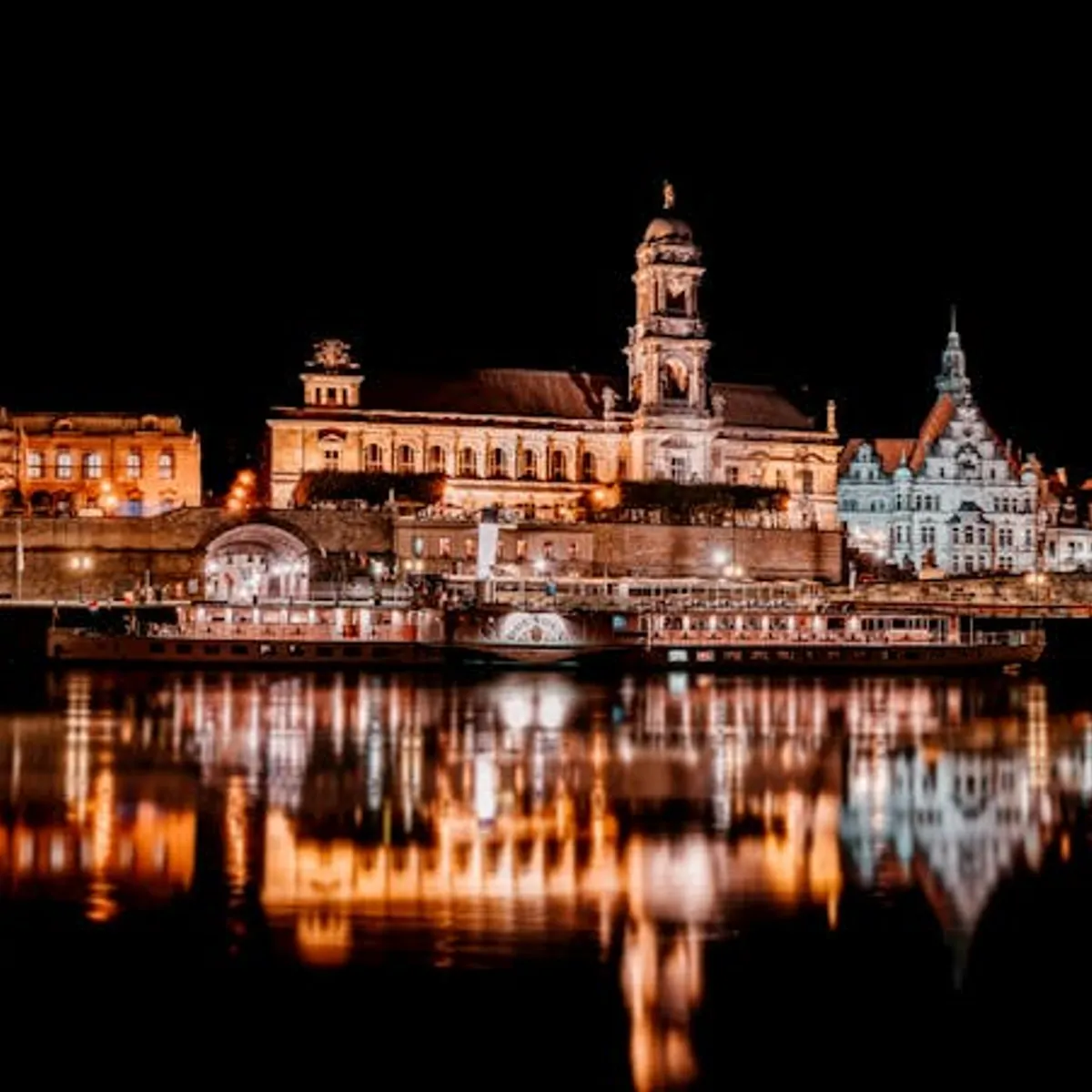
 Photo: Felix Mittermeier / Pexels
Dresden
Dresden accessibility for wheelchair users
Compare Dresden by accessibility, transport, terrain, healthcare, cost, weather, laws, reviews, and community notes.
Dresden accessibility scores
Compare Dresden by accessibility, transport, terrain, healthcare, cost, weather, and laws. General stats use public data and models. Community rows reflect member reviews and votes.
General stats
National benchmarks and estimates — your experience in this city may differ.
Community
Starts from our estimate — thumbs up nudge toward Excellent, down toward Poor. Reviews use 1–5 stars.
These figures combine public statistics, models, and live weather where available. Every city is different — treat this as a guide, and share what you know in the Reviews & Corrections tab.
Profile last updated 6/30/2026.
Dresden wheelchair accessibility guide
Research Dresden for wheelchair users and caregivers: getting around, terrain, healthcare, costs, climate, accessible things to do, and practical caveats before booking.
Last updated 6/30/2026At a glance
Dresden offers a strong mix of museums, riverfronts, trams, and lower living costs than many larger German cities. The local snapshot scores it 76 overall, with infrastructure 91, terrain 40, population about 487,000, and living cost from ~$3,594/mo. For wheelchair users, the city is rewarding but not uniformly easy: the Elbe corridor and museum core can work well, while hillier districts, cobbles, and reconstruction-era surfaces need route planning.
Getting around
DVB trams and buses are the main local network, with regional rail via Dresden Hauptbahnhof and Neustadt. Check DVB barrier-free information, low-floor service, stop construction, and elevator availability before relying on a route. For intercity rail, book assistance when needed and confirm the station-to-hotel path, not just the train platform.
Terrain & mobility
The DB terrain score is only 40, so expect more grade variation than in flat Dutch or Nordic cities. OSM pavement data is high-confidence and mostly positive—84% good, 7% poor, with asphalt, sett, untagged, and paving stones dominant. The old center around Theaterplatz/Altmarkt can include stone surfaces and crowds; the Elbe paths may be smoother but exposed to weather.
Healthcare & care
OSM healthcare leads include EuroEyes AugenLasern, Versorgungszentrum Städtisches Klinikum Dresden-Friedrichstadt, Clinic im Centrum Dresden, MVZ Praxisklinik Herz und Gefäße, and PHV-Dialysezentrum Dresden-Johannstadt. Treat these as starting points. Confirm the right facility, accessible entrance, transport from your accommodation, and language support before travel.
Costs & housing
Use the DB cost baseline from ~$3,594/mo. Dresden has reasonable value compared with Munich or Hamburg, but accessible housing still needs verification. Newer apartments outside the historic core may offer better elevators and bathrooms; confirm grade between tram stop and door.
Climate & comfort
Winters bring cold, ice, and early darkness. Summer riverfront walks are pleasant but can be hot and exposed. Flood or construction detours along the Elbe can change accessible routing, so check shortly before visiting.
Accessible things to do
Zwinger and Old Masters Picture Gallery— core museum complex; check the current accessible entrance, lifts, courtyard surfaces, and temporary construction routes.
Dresden Frauenkirche / Neumarkt— central landmark area with many cafés; surfaces and crowds vary, so plan quieter arrival times and verify church access.
Brühl’s Terrace and Elbe riverfront— scenic, but ramps, cobbles, and weather exposure matter; choose step-free access points in advance.
German Hygiene Museum— a strong indoor museum candidate; verify lift access, accessible toilets, and exhibition layout before buying timed tickets.
Community & language
German access information is often labeled “barrierefrei.” English is common in tourism, but healthcare and housing checks go better with written German questions and measurement requests. For longer stays, confirm pharmacy delivery, wheelchair repair options, and whether personal-care providers can serve the exact district, because river crossings and hillier suburbs can make short distances slower than they look on a map.
Would we recommend it?
Yes for culture-focused travelers who can plan routes carefully. Dresden is not the easiest terrain city, but its transit, museums, and costs make it worthwhile with verified hotel and tram access. It is strongest for visitors who prefer a slower museum-and-riverfront itinerary over spontaneous old-town wandering.
These figures combine public statistics, models, and live weather where available. Every city is different — treat this as a guide, and share what you know in the Reviews & Corrections tab.
Profile last updated 6/30/2026.
Reviews & corrections
Share your experience or suggest a data correction. Both appear publicly; admin updates official city scores and costs separately.
Log in to write a review or suggest a correction.
No reviews or corrections yet.