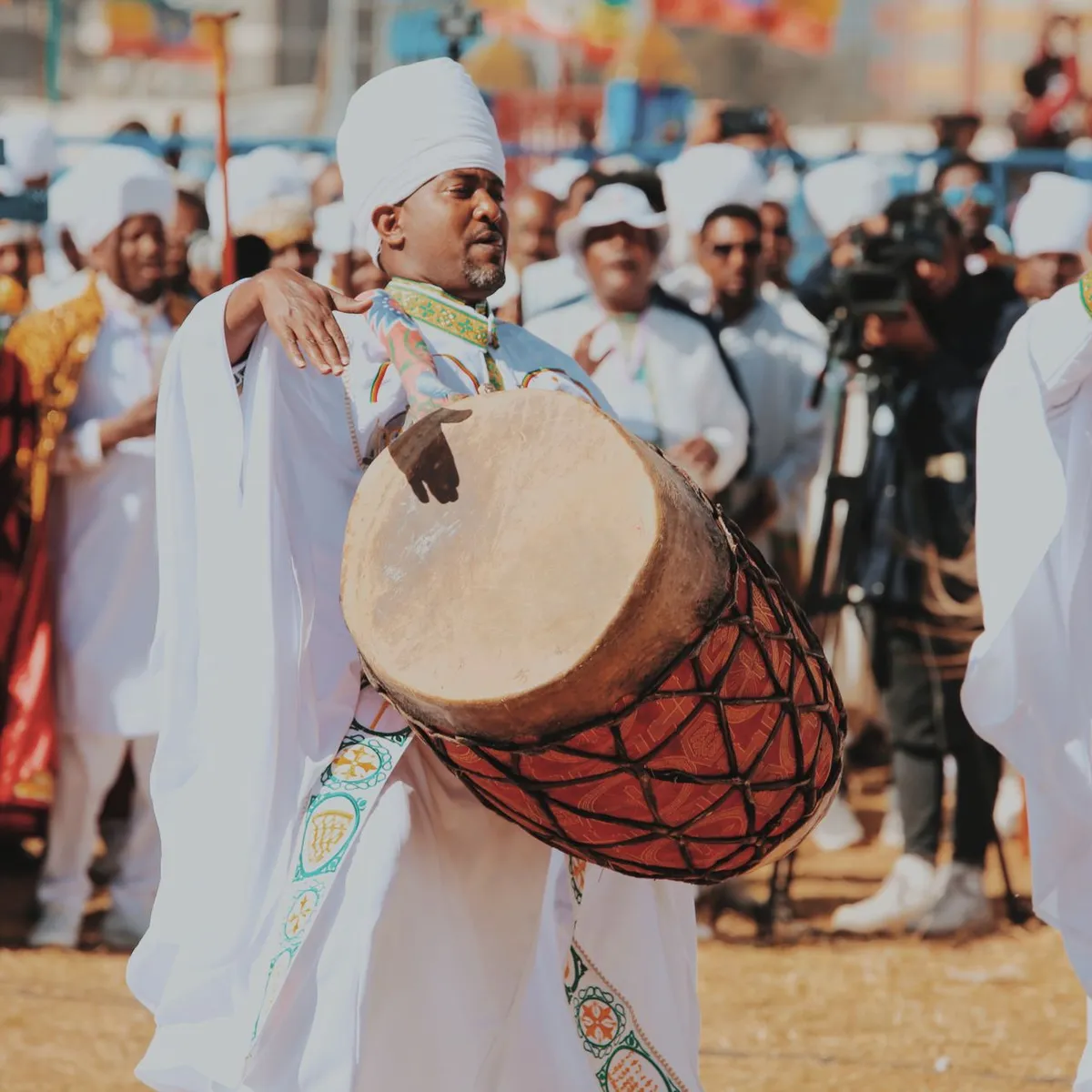
 Photo: Abuti Engidashet / Pexels
Harar
Harar accessibility for wheelchair users
Compare Harar by accessibility, transport, terrain, healthcare, cost, weather, laws, reviews, and community notes.
Harar accessibility scores
Compare Harar by accessibility, transport, terrain, healthcare, cost, weather, and laws. General stats use public data and models. Community rows reflect member reviews and votes.
General stats
National benchmarks and estimates — your experience in this city may differ.
Community
Starts from our estimate — thumbs up nudge toward Excellent, down toward Poor. Reviews use 1–5 stars.
These figures combine public statistics, models, and live weather where available. Every city is different — treat this as a guide, and share what you know in the Reviews & Corrections tab.
Profile last updated 7/1/2026.
Harar wheelchair accessibility guide
Research Harar for wheelchair users and caregivers: getting around, terrain, healthcare, costs, climate, accessible things to do, and practical caveats before booking.
Last updated 7/1/2026At a glance
Harar is a culturally rich but physically demanding base in eastern Ethiopia. RollVenture’s live row rates it as lower-accessibility overall, mostly because the old city is very hilly, transport is informal, and pavement evidence is thin. The upside is a compact historic core with distinctive museums, gates, mosques, shrines, and street life; the downside is that many of those experiences sit inside Harar Jugol, where cobblestone, narrow lanes, thresholds, crowds, and grades can make independent wheelchair movement unrealistic. Budget around from ~$2,053/mo, with housing from ~$1,066/mo, and treat those numbers as planning anchors rather than a guarantee of accessible housing supply.
Getting around
Most visitors reach Harar through Dire Dawa, then continue by road. In town, expect bajaj, taxis, private drivers, and walking routes rather than formal wheelchair-accessible transit. Wikivoyage notes that Harar is not the easiest city to reach and that the old town is compact; for wheelchair users, that means the safest plan is usually a pre-arranged vehicle plus a local guide who can scout gates, drop-off points, and step-free alternatives before each outing. Do not assume curb cuts, ramps, tie-downs, or reliable sidewalks.
Terrain & mobility
The stored terrain profile is the biggest warning: very hilly, around 1,812 m elevation, with sampled grades up to 11.2%. Pavement data has low confidence and shows cobblestone/asphalt/untagged surfaces. Inside the Jugol, expect uneven stone, short steep pitches, tight turns, and pedestrian congestion. A manual chair user will likely need strong assistance; a power chair needs battery margin, tire clearance, and a plan for thresholds.
Healthcare & care
OpenStreetMap leads list General Hospital, Harer Police Hospital, Harar Federal Police Hospital New site, and Harer Hospital within about 1-2 km of the center. Treat these as emergency/clinical leads only, not accessibility guarantees. Bring medication buffers, written diagnoses, and a plan for transfer to Dire Dawa or Addis Ababa for specialist care. Personal-care support should be arranged privately and tested before committing to a long stay.
Costs & housing
The DB estimates housing from ~$1,066/mo and transport around ~$150/mo. The practical challenge is not only rent, but finding a room with step-free entry, usable bathroom width, reliable water, and vehicle access close enough to the old city. Verify floors, thresholds, backup power, and whether a driver can reach the door during rain or crowded market hours.
Climate & comfort
Harar’s altitude gives cooler mornings than lowland Ethiopia, but sun, dust, and rainy-season surfaces still matter. Wikivoyage describes warm to very warm afternoons, cool to mild mornings, and wetter months from March to October. Pack layers, rain protection for chair electronics, and a realistic schedule with long rests.
Accessible things to do
Harar Jugol gates and walls— UNESCO-linked old-city streets are the core draw; use a guide and choose short, scouted sections rather than trying to roll the whole maze.
Rimbaud's House and Museum— Wikivoyage lists the former Rimbaud mansion as a museum; verify steps and doorway widths before going.
Abdela Sherif Museum— A historic-house museum with artifacts; likely assistance-dependent, but a guide may help judge the entrance and interior route.
Feres Magala square and Jamia Mosque exterior— Non-Muslims may not enter the mosque, but the square and exterior views can be planned as a shorter cultural stop.
Community & language
Amharic is widely useful; Harari, Oromo, Somali, and Arabic cultural influences are also part of the city. English may work in tourism contexts but should not be assumed for drivers or clinics. A local fixer/guide is especially valuable for translating, negotiating transport, and checking access.
Would we recommend it?
Only for adventurous travelers who can handle hills, uneven stone, and limited access infrastructure. Harar is memorable, but it is not a low-friction wheelchair base. Visit with assistance, local support, and flexible expectations rather than as a first independent accessible-travel stop.
These figures combine public statistics, models, and live weather where available. Every city is different — treat this as a guide, and share what you know in the Reviews & Corrections tab.
Profile last updated 7/1/2026.
Reviews & corrections
Share your experience or suggest a data correction. Both appear publicly; admin updates official city scores and costs separately.
Log in to write a review or suggest a correction.
No reviews or corrections yet.