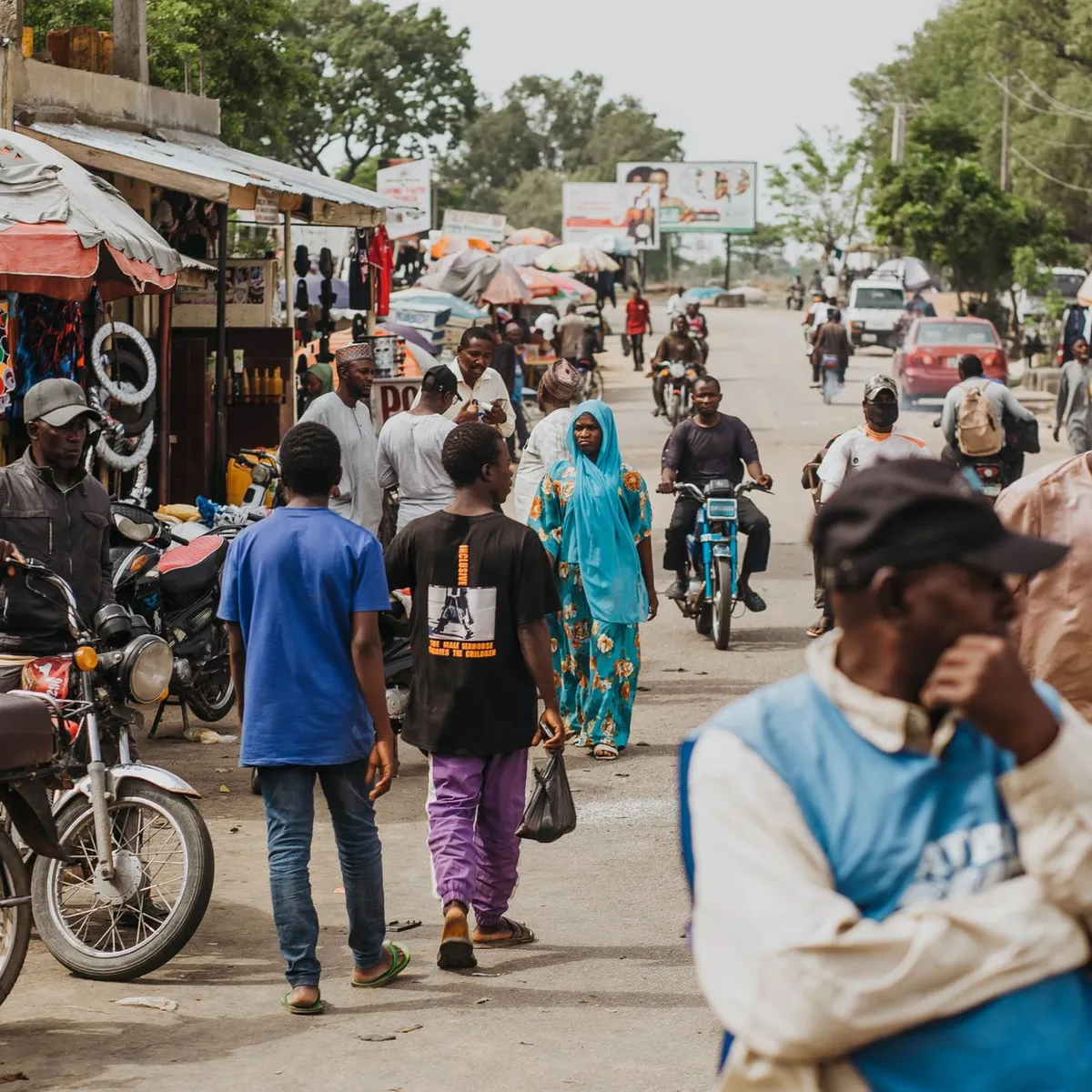
 Photo: Darkside Photography / Pexels
Juba
Juba accessibility for wheelchair users
Compare Juba by accessibility, transport, terrain, healthcare, cost, weather, laws, reviews, and community notes.
Juba accessibility scores
Compare Juba by accessibility, transport, terrain, healthcare, cost, weather, and laws. General stats use public data and models. Community rows reflect member reviews and votes.
General stats
National benchmarks and estimates — your experience in this city may differ.
Community
Starts from our estimate — thumbs up nudge toward Excellent, down toward Poor. Reviews use 1–5 stars.
These figures combine public statistics, models, and live weather where available. Every city is different — treat this as a guide, and share what you know in the Reviews & Corrections tab.
Profile last updated 7/1/2026.
Juba wheelchair accessibility guide
Research Juba for wheelchair users and caregivers: getting around, terrain, healthcare, costs, climate, accessible things to do, and practical caveats before booking.
Last updated 7/1/2026At a glance
Juba is South Sudan’s capital on the White Nile, with international flights, government and NGO infrastructure, markets, Nile-side restaurants, and practical services. It is not an easy wheelchair destination. The live row scores accessibility and ramp availability very low, and Wikivoyage’s Juba page emphasizes safety, transport, and health planning. The database estimates costs from ~$2,277/mo, with housing around ~$1,168/mo. Choose Juba only with support, local contacts, and a realistic medical/evacuation plan.
Getting around
Wikivoyage confirms Juba International Airport and describes getting around by car. For wheelchair users, that is the right assumption: prearranged private vehicle, driver waiting during errands, and no reliance on ordinary buses. Ask about vehicle height, boot space, and whether the chair folds. Road surfaces, mud, checkpoints, security conditions, and traffic can all change the plan, so keep daily routes short and daylight-focused.
Terrain & mobility
The terrain profile is gently rolling rather than steep, but infrastructure is the barrier. The high-confidence pavement profile includes unpaved, untagged, paved, and asphalt ways, with only a small share marked good and some poor surfaces. Expect rough shoulders, dust or mud, missing curb cuts, compound steps, and limited accessible toilets. A companion or assistant is strongly recommended even for short outings.
Healthcare & care
The DB healthcare profile lists several OpenStreetMap clinic leads, including Harmony Medical Center, Amraan Clinic, Nazareth Medical Centre, and University Medical Centre. These are not verified accessibility or emergency-capability reports. Before arrival, identify a primary clinic or hospital through your hotel, NGO, embassy, or insurer; confirm step-free entry, imaging, pharmacy, and evacuation pathways. Bring ample medications, pressure-care supplies, and documentation.
Costs & housing
Juba is not as cheap in practice as the raw scores may suggest. The row estimates from ~$2,277/mo, but secure, step-free, generator-backed accommodation can cost more than the average. Verify entrance, bathroom, shower, bed height, backup power, water reliability, and compound road surface by video. A secure compound with a usable bathroom matters more than being close to a market.
Climate & comfort
DB monthly climate data shows very hot dry-season conditions around January-March and a rainy season from roughly April through October. Rain can turn unpaved roads and compound entrances into mud; heat can create fatigue and skin-care issues. Schedule early, protect cushions from dust and rain, and build rest into every errand day.
Accessible things to do
White Nile riverside restaurant/viewpoint areas— The most practical leisure lead: choose venues by phone for parking, step-free entrance, and toilet access.
Juba Market edge visit— A culturally useful but crowded stop; stay near vehicle-accessible edges and avoid deep aisles unless a companion scouts first.
John Garang Mausoleum area— A notable civic landmark; verify current access, security, and surface conditions before visiting.
Nile bridge / city drive— A low-transfer way to understand Juba’s river geography and growth, best done with a trusted driver in daylight.
Community & language
English is official and useful with government, NGOs, hotels, and clinics; Juba Arabic and local languages are also common. A local contact is important for security updates, clinic calls, and driver coordination. Keep identification and emergency contacts accessible.
Would we recommend it?
Only for travelers with a strong reason, reliable local support, and careful risk planning. Juba can work as a supported capital base, but it is not recommended for independent wheelchair travel or anyone needing predictable accessible transport.
These figures combine public statistics, models, and live weather where available. Every city is different — treat this as a guide, and share what you know in the Reviews & Corrections tab.
Profile last updated 7/1/2026.