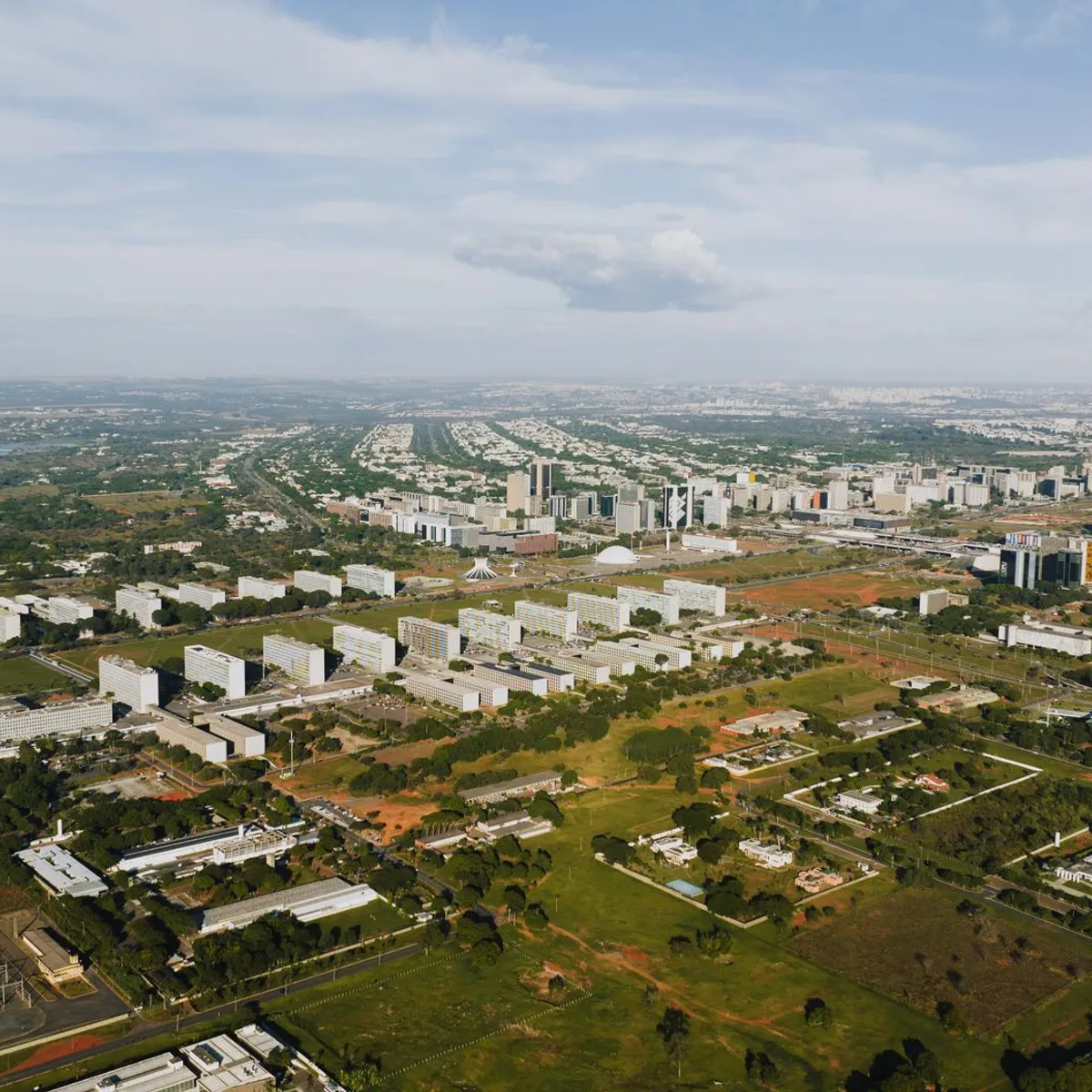
 Photo: K / Pexels
Jundiaí
Jundiaí accessibility for wheelchair users
Compare Jundiaí by accessibility, transport, terrain, healthcare, cost, weather, laws, reviews, and community notes.
Jundiaí accessibility scores
Compare Jundiaí by accessibility, transport, terrain, healthcare, cost, weather, and laws. General stats use public data and models. Community rows reflect member reviews and votes.
General stats
National benchmarks and estimates — your experience in this city may differ.
Community
Starts from our estimate — thumbs up nudge toward Excellent, down toward Poor. Reviews use 1–5 stars.
These figures combine public statistics, models, and live weather where available. Every city is different — treat this as a guide, and share what you know in the Reviews & Corrections tab.
Profile last updated 7/2/2026.
Jundiaí wheelchair accessibility guide
Research Jundiaí for wheelchair users and caregivers: getting around, terrain, healthcare, costs, climate, accessible things to do, and practical caveats before booking.
Last updated 7/2/2026At a glance
Jundiaí is a practical inland base between São Paulo and Campinas rather than a resort city. For a wheelchair user, the strongest case is access to big-city hospitals and airports without paying São Paulo capital prices; the tradeoff is that the historic core and hillside neighborhoods need route-by-route checking. RollVenture's live row rates it 59 overall and 54 for accessibility, with estimated monthly living costs from ~$1,980/mo and housing from ~$691/mo.
Use the city as a planned, car-or-app-ride destination, not as a place to improvise every trip on foot. The municipal and regional parks are the easiest leisure anchors, while downtown errands can involve older sidewalks, driveway cuts, and blocks that feel steeper than the map suggests.
Getting around
Jundiaí has urban buses and intercity links toward São Paulo/Campinas, but travelers should verify low-floor service, boarding ramps, and stop conditions with the operator before relying on a route. Wheelchair taxis or app rides with a known driver will be simpler for medical appointments, shopping trips, and park visits. If arriving from São Paulo, pre-book ground transport; the distance is manageable, but station-to-door transfers are the weak point.
Terrain & mobility
The terrain profile is mixed: OpenTopoData sampling shows an average elevation around 822 m, an elevation range of 444 m, and a maximum sampled grade of 8.4%. OSM pavement data has high confidence with asphalt and paved surfaces present, but only about 41% tagged good surface in the sample. In practice, expect some usable planned corridors and some tiring slopes, especially away from newer commercial areas.
Healthcare & care
The local OSM healthcare profile lists Hospital e Maternidade Santa Elisa near the center, Alliance Day Clinic, and Hospital da Criança GRENDACC as nearby leads. Treat those as navigation leads, not access guarantees: call ahead for step-free entrances, elevator width, specialist availability, and whether a companion can stay during procedures. For complex care, São Paulo and Campinas widen the choice of hospitals but add transfer fatigue.
Costs & housing
The DB estimate puts Jundiaí at from ~$1,980/mo, with housing from ~$691/mo. That is moderate for southeast Brazil and usually cheaper than central São Paulo. For accessible housing, prioritize newer apartment towers with elevators, generator backup, covered drop-off, and a short, flat route to groceries or pharmacies. Ask for video of the building entrance, garage ramp, bathroom door widths, shower threshold, and elevator dimensions before paying a deposit.
Climate & comfort
Jundiaí has a subtropical inland climate: warm wet summers, milder winters, and frequent afternoon storms in the rainy season. Heat is less extreme than some Brazilian lowland cities, but hills plus wet paving can make transfers harder. Air conditioning, shaded routes, and backup plans for heavy-rain days matter.
Accessible things to do
Jardim Botânico de Jundiaí— A real municipal green-space anchor; use it for paved-path outings, but verify current restroom access and parking/drop-off before visiting.
Mundo das Crianças— A city-run family park by the reservoir area; good as a low-pressure outdoor stop if you confirm entrance, pathway, and accessible toilet details in advance.
Parque da Cidade— Useful for open-air rolling and companion walks; choose short loops and check grades near parking rather than assuming the whole park is easy.
Jundiaí Shopping / modern malls— Not a cultural highlight, but often the most predictable accessible errand-and-meal environment: elevators, toilets, level floors, and rideshare pickup are easier to confirm.
Community & language
Portuguese is essential for daily logistics. English is limited outside hotels, private clinics, and international business contexts. A local helper or building concierge can make a big difference for deliveries, appointment booking, and repair calls.
Would we recommend it?
Yes, with planning. Jundiaí is stronger for a longer stay with a driver, nearby care, and controlled housing than for spontaneous sightseeing. It is not flat enough to call easy, but its regional location and practical services make it a reasonable Brazil option if you verify the apartment and transport chain first.
These figures combine public statistics, models, and live weather where available. Every city is different — treat this as a guide, and share what you know in the Reviews & Corrections tab.
Profile last updated 7/2/2026.
Reviews & corrections
Share your experience or suggest a data correction. Both appear publicly; admin updates official city scores and costs separately.
Log in to write a review or suggest a correction.
No reviews or corrections yet.