 Photo: ROBERTO ZUNIGA / Pexels
Les Cayes
Les Cayes accessibility for wheelchair users
Compare Les Cayes by accessibility, transport, terrain, healthcare, cost, weather, laws, reviews, and community notes.
Les Cayes accessibility scores
Compare Les Cayes by accessibility, transport, terrain, healthcare, cost, weather, and laws. General stats use public data and models. Community rows reflect member reviews and votes.
General stats
National benchmarks and estimates — your experience in this city may differ.
Community
Starts from our estimate — thumbs up nudge toward Excellent, down toward Poor. Reviews use 1–5 stars.
These figures combine public statistics, models, and live weather where available. Every city is different — treat this as a guide, and share what you know in the Reviews & Corrections tab.
Profile last updated 7/1/2026.
Les Cayes wheelchair accessibility guide
Research Les Cayes for wheelchair users and caregivers: getting around, terrain, healthcare, costs, climate, accessible things to do, and practical caveats before booking.
Last updated 7/1/2026At a glance
Les Cayes is a coastal city in southern Haiti, useful mainly as a practical base for the Sud department rather than an easy wheelchair destination. The database profile is mixed: friendly/cost scores are moderate, but accessibility is low, terrain is hilly around the wider area, and the OSM pavement sample is low-confidence with many untagged, unpaved, dirt, or compacted surfaces. Treat it as a place for experienced travelers with a local fixer, private vehicle access, and a backup plan, not as a spontaneous independent rolling city.
Use the DB cost baseline as a planning number only: living costs are listed from ~$3,088/mo, with housing from ~$1,568/mo. Verify lodging step-free entry, generator reliability, bathroom layout, and door widths directly before booking.
Getting around
Plan around private transport. Public buses, tap-taps, and moto-style local transport are unlikely to work for most wheelchair users without major assistance. If flying or transferring from Port-au-Prince, confirm current road security, fuel availability, and whether the vehicle can carry both chair and luggage. In town, short hops with a driver are safer than trying to roll long distances over broken or untagged surfaces.
Terrain & mobility
The central grid is coastal, but the wider terrain profile is hilly, with a recorded max grade around 7.1% and a 335 m elevation range in the sample. Pavement data is weak and points to many untagged or rough surfaces. Expect missing curb cuts, drainage channels, dust or mud after rain, and narrow shopfront thresholds. A power chair or scooter with clearance will handle more than a small-caster manual chair, but assistance is still important.
Healthcare & care
OSM lists several nearby healthcare leads, including Dispensaire "N.D. des Malades," Kay Timoun Bondye, Klinik Lafanmy, Croix Rouge Haitienne Cayes, and Missionnaires. These are leads, not access guarantees. Before relying on Les Cayes, verify emergency capacity, pharmacy availability, transfer equipment, and whether any clinic can handle pressure sores, catheter issues, respiratory needs, or medication refrigeration.
Costs & housing
The city is not automatically cheap for an accessible visitor because backup transport, reliable power, and suitable bathrooms may cost more than the DB baseline. Ask hotels for photos of entrance route, bathroom, bed height, and generator setup. If personal care is needed, arrange it through trusted local contacts before arrival rather than assuming it can be sourced quickly.
Climate & comfort
Les Cayes is hot, humid, and hurricane-exposed. Rain can turn rough streets and beach approaches into difficult surfaces. Prioritize air conditioning, fan backup, and a room that is usable during power interruptions. Heat management matters for wheelchair users who cannot easily reposition or cool down.
Accessible things to do
Place d'Armes and Les Cayes Cathedral exterior— a central orientation stop; check curb heights and pavement condition block by block.
Gelee Beach— a well-known beach area near Les Cayes; sand access is the barrier, so treat it as a scenic/restaurant outing unless a venue confirms hard-surface access.
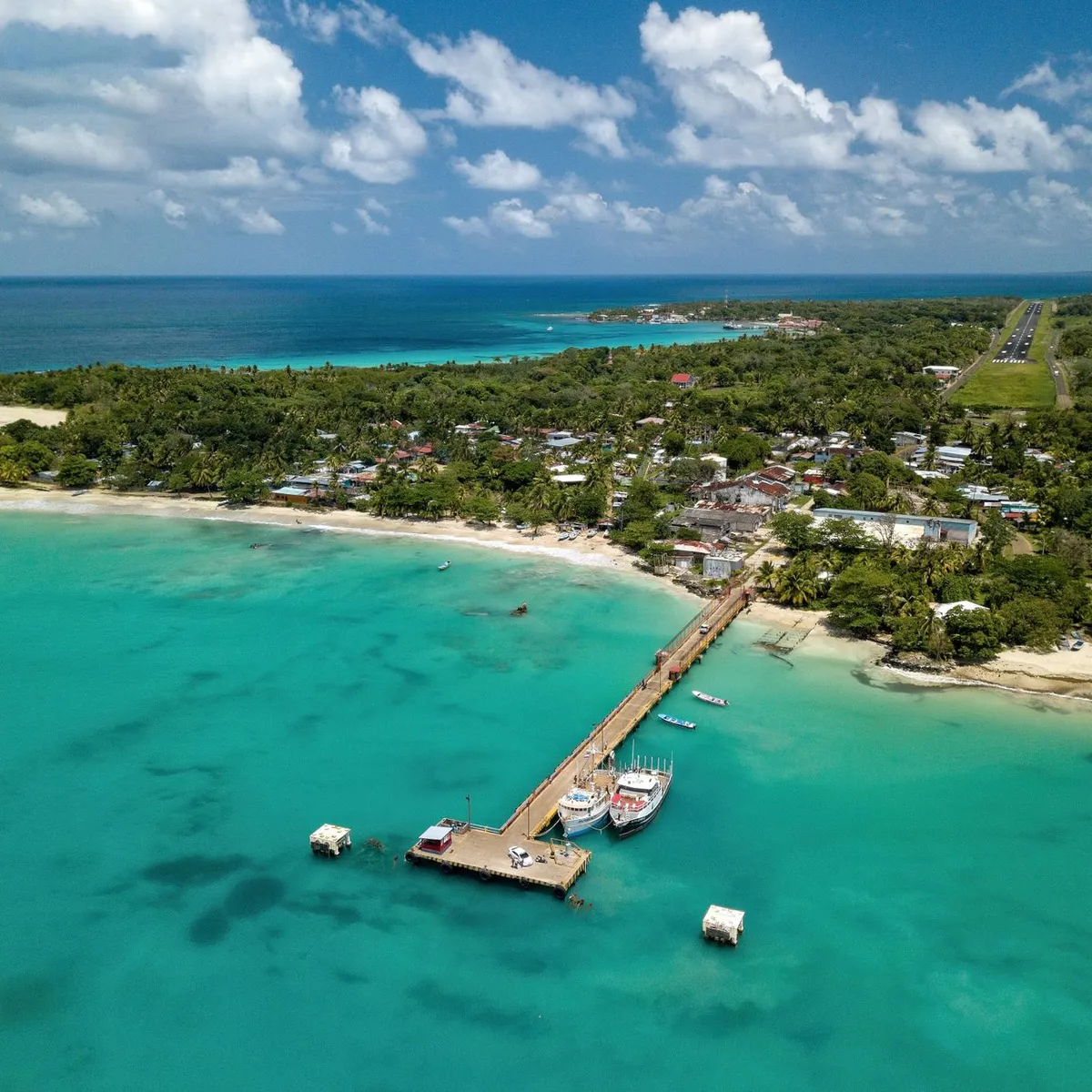
Les Cayes waterfront and port approaches— useful for short, assisted coastal views; avoid after dark and verify surface conditions locally.
Ile-a-Vache planning point— the island is a famous nearby excursion, but boat transfers and beach landings are major wheelchair barriers; only consider with a trusted operator and a manual transfer plan.
Community & language
Haitian Creole is essential; French helps with official and medical contexts. English is limited outside tourism-facing contacts. Build a contact chain: driver, hotel manager, clinic contact, and someone who can translate medical needs.
Would we recommend it?
Only with strong local support. Les Cayes may be workable for a specific reason to be in southern Haiti, but it is not a low-friction accessible city. The main risks are rough surfaces, transport uncertainty, heat, weather disruption, and healthcare verification.
These figures combine public statistics, models, and live weather where available. Every city is different — treat this as a guide, and share what you know in the Reviews & Corrections tab.
Profile last updated 7/1/2026.
Reviews & corrections
Share your experience or suggest a data correction. Both appear publicly; admin updates official city scores and costs separately.
Log in to write a review or suggest a correction.
No reviews or corrections yet.