 Photo: Денис / Pexels
Mar’ino
Mar’ino accessibility for wheelchair users
Compare Mar’ino by accessibility, transport, terrain, healthcare, cost, weather, laws, reviews, and community notes.
Mar’ino accessibility scores
Compare Mar’ino by accessibility, transport, terrain, healthcare, cost, weather, and laws. General stats use public data and models. Community rows reflect member reviews and votes.
General stats
National benchmarks and estimates — your experience in this city may differ.
Community
Starts from our estimate — thumbs up nudge toward Excellent, down toward Poor. Reviews use 1–5 stars.
These figures combine public statistics, models, and live weather where available. Every city is different — treat this as a guide, and share what you know in the Reviews & Corrections tab.
Profile last updated 7/2/2026.
Mar’ino wheelchair accessibility guide
Research Mar’ino for wheelchair users and caregivers: getting around, terrain, healthcare, costs, climate, accessible things to do, and practical caveats before booking.
Last updated 7/2/2026At a glance
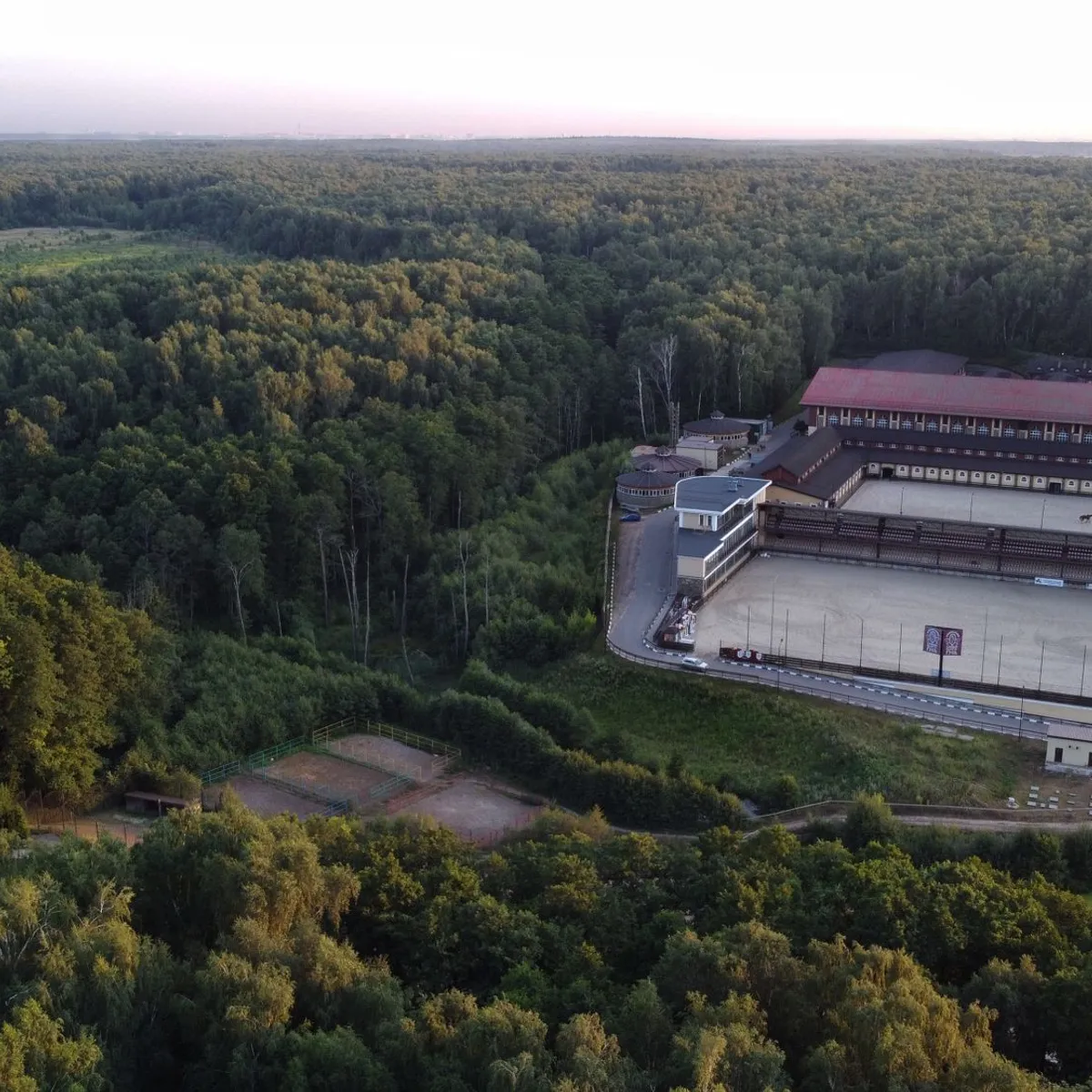
Mar’ino is a large residential district in south-eastern Moscow, not a separate tourist city. Its best accessibility argument is urban infrastructure: the DB row shows high pavement confidence, mostly asphalt and paving-stone surfaces, gentle rolling terrain, and Moscow-level services. Its weak points are winter, curb-by-curb variability, and the need to confirm metro or bus step-free access for every route. Costs are estimated from ~$2,588/mo, with housing from ~$1,338/mo. For a wheelchair user who wants a quieter base inside Moscow rather than a historic center stay, Mar’ino can be practical if the apartment building itself is accessible.
Getting around
Maryino station on the Lyublinsko-Dmitrovskaya metro line anchors the district, and Moscow’s bus network fills local gaps. Do not assume every station transfer is step-free: Moscow has improved accessibility, but older stations, escalators, platform gaps, and lift outages still matter. For daily planning, check the current Moscow Metro accessibility information, ask hotel or landlord staff to confirm elevator status, and keep taxi apps as backup. Wide avenues can make crossings long, so build extra time into routes.
Terrain & mobility
The terrain profile is favorable: gently rolling, low elevation range, and 100% flat samples in the sampled area. Pavement confidence is high, with asphalt and paving stones dominant. That makes Mar’ino better for routine errands than many older city centers. The tradeoff is winter: snowbanks, ice, slush at curb cuts, and uncleared side streets can turn an easy summer route into a difficult one. Paving stones can also shake manual chairs.
Healthcare & care
The DB healthcare profile lists nearby clinics such as Polyclinic No. 17 and children’s clinics as OpenStreetMap leads. Verify registration rules, language support, and wheelchair entry before relying on them. For specialist care, Moscow has far more options than a small city, but appointments, paperwork, and translation can be the real barriers. Budget estimates show medical costs from ~$133/mo and home aid from ~$465/mo; private services may cost more but can be easier to schedule.
Costs & housing
Mar’ino is usually more residential and less premium than central Moscow, but accessible housing still needs strict screening. Ask for a continuous video from street to lobby, lobby to elevator, elevator dimensions, threshold heights, bathroom turning space, and whether snow removal covers the building ramp. A newer high-rise with a working lift is usually safer than a walk-up or older block with a narrow entrance.
Climate & comfort
Moscow winters are the biggest comfort issue. Cold batteries drain faster, gloves reduce dexterity, and snow clearance is uneven. Summers are much easier for rolling, with long daylight and more outdoor life. Choose housing close to groceries, pharmacy, and transit so bad-weather trips stay short.
Accessible things to do
Bratislavsky Park / local district parks— nearby green space for low-key rolling; inspect surfaces after snow or rain.
Kolomenskoye Museum-Reserve— major Moscow park and museum landscape south-west of the district; official access details should be checked for specific buildings and routes.
Tsaritsyno Museum-Reserve— another large park-and-palace museum reachable across south Moscow; paths may be long, so plan rest stops and step-free entries.
Moskva River embankment routes— useful for flatter outdoor time when surfaces are clear; verify ramps to and from the embankment.
Community & language
Russian is important for repairs, clinics, and building staff. Larger Moscow services may have some English support, but daily accessibility details are easier to solve with Russian phrases and photos. Local residents may be helpful, yet independence depends on verified lifts and winter maintenance.
Would we recommend it?
Yes, for someone already comfortable with Moscow logistics and seeking a residential base with relatively good pavements. We would not recommend it for a first-time wheelchair traveler who needs guaranteed step-free transit every day without Russian-language support.
These figures combine public statistics, models, and live weather where available. Every city is different — treat this as a guide, and share what you know in the Reviews & Corrections tab.
Profile last updated 7/2/2026.
Reviews & corrections
Share your experience or suggest a data correction. Both appear publicly; admin updates official city scores and costs separately.
Log in to write a review or suggest a correction.
No reviews or corrections yet.