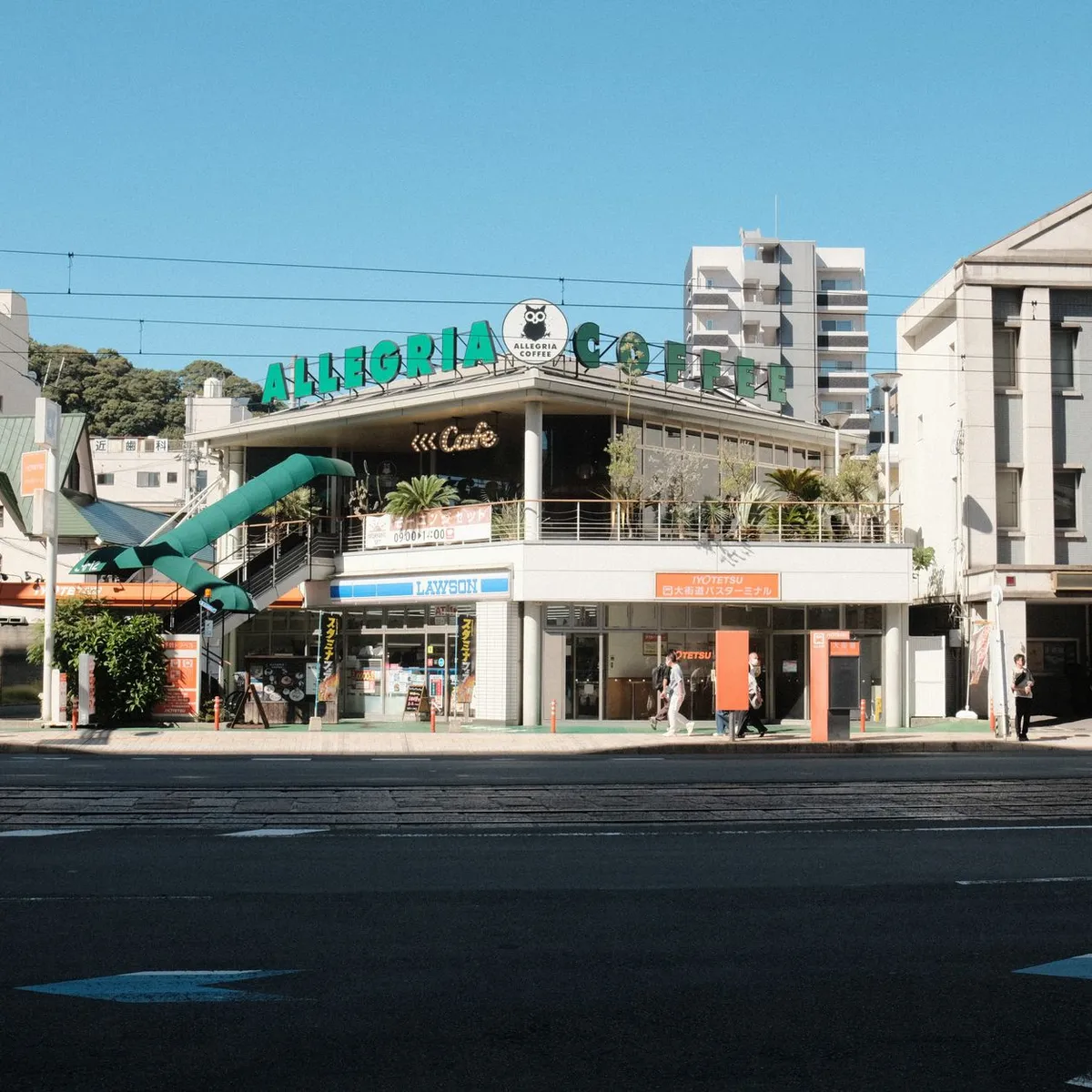
 Photo: Mak_ jp / Pexels
Nagasaki
Nagasaki accessibility for wheelchair users
Compare Nagasaki by accessibility, transport, terrain, healthcare, cost, weather, laws, reviews, and community notes.
Nagasaki accessibility scores
Compare Nagasaki by accessibility, transport, terrain, healthcare, cost, weather, and laws. General stats use public data and models. Community rows reflect member reviews and votes.
General stats
National benchmarks and estimates — your experience in this city may differ.
Community
Starts from our estimate — thumbs up nudge toward Excellent, down toward Poor. Reviews use 1–5 stars.
These figures combine public statistics, models, and live weather where available. Every city is different — treat this as a guide, and share what you know in the Reviews & Corrections tab.
Profile last updated 6/30/2026.
Nagasaki wheelchair accessibility guide
Research Nagasaki for wheelchair users and caregivers: getting around, terrain, healthcare, costs, climate, accessible things to do, and practical caveats before booking.
Last updated 6/30/2026At a glance
Nagasaki is a compelling port city with strong public-transport links, major peace-history sites, and a scenic harbor setting. For a wheelchair user it is useful but not effortless: RollVenture’s live row scores accessibility at 78, while the terrain profile is mixed with a 365 m elevation range. Plan around slopes, stair detours, and rainy-season weather rather than assuming every short map distance is easy. Costs in the DB profile start from ~$3,208/mo.
Getting around
Use trams, buses, taxis, and station-area routes as the main planning grid. The city’s best visitor base is near Nagasaki Station, Dejima, or the Peace Park/Urakami side if your trip is museum-heavy. Confirm low-floor tram/bus availability and station elevator routes before committing to tight transfers, and budget taxi backup for hillier evenings.
Terrain & mobility
The harbor and river corridors are the easiest parts. Hills rise quickly toward viewpoints and older residential areas, and the DB terrain sample shows mixed grades up to 6.5%. Pavement data is low-confidence, so treat OSM surface notes as a lead only. In practice, choose step-free routes between attractions, avoid steep shortcut lanes, and give yourself extra time after rain.
Healthcare & care
The DB healthcare profile lists several OSM hospital leads within roughly 0.5-3.2 km of the centre, but they are not verified accessibility guarantees. For a longer stay, identify a Japanese-speaking clinic contact, check whether your hotel can help with calls, and bring translated medication and equipment notes.
Costs & housing
The cost profile is moderate for Japan, from ~$3,208/mo, with housing shown around $1,577/mo. Accessible apartments and hotels should be verified by photos: bathroom turning space, shower chair availability, entrance lip, elevator width, and whether the route from transit is flat enough for daily use.
Climate & comfort
Summers are hot, humid, and wet: DB weather shows heavy June-July rainfall and August around 27.8°C. Winters are milder than inland Japan but can still bring cold rain and occasional snow days. A powered chair user should plan waterproof covers, battery margin, and indoor rest stops.
Accessible things to do
Peace Park and Hypocenter Park— Official Nagasaki tourism lists both central peace sites. They are strong first stops, but verify ramped approaches and avoid hilly side streets when linking them.
Nagasaki Atomic Bomb Museum— Listed by the official visitors guide. Museums are usually the safest accessibility bet, but confirm elevator status, accessible toilets, and crowd timing.
Dejima— Officially listed as a historic attraction. Expect reconstructed buildings and surface changes; use it as a cautious, short visit rather than assuming every interior is step-free.
Glover Garden— A signature hillside site on the official portal. Go only after checking current elevator/escalator operations and accessible route details, because the surrounding slope can be the real barrier.
Community & language
English appears at major tourism touchpoints, but medical, taxi, and housing conversations may require Japanese. Written addresses, hotel cards, and a phone translation plan will reduce friction.
Would we recommend it?
Yes for history-focused travelers who can plan around hills and rain. Nagasaki is rewarding, but it is not a low-effort mobility city; choose central lodging and verify every hillside attraction before booking.
These figures combine public statistics, models, and live weather where available. Every city is different — treat this as a guide, and share what you know in the Reviews & Corrections tab.
Profile last updated 6/30/2026.
Reviews & corrections
Share your experience or suggest a data correction. Both appear publicly; admin updates official city scores and costs separately.
Log in to write a review or suggest a correction.
No reviews or corrections yet.