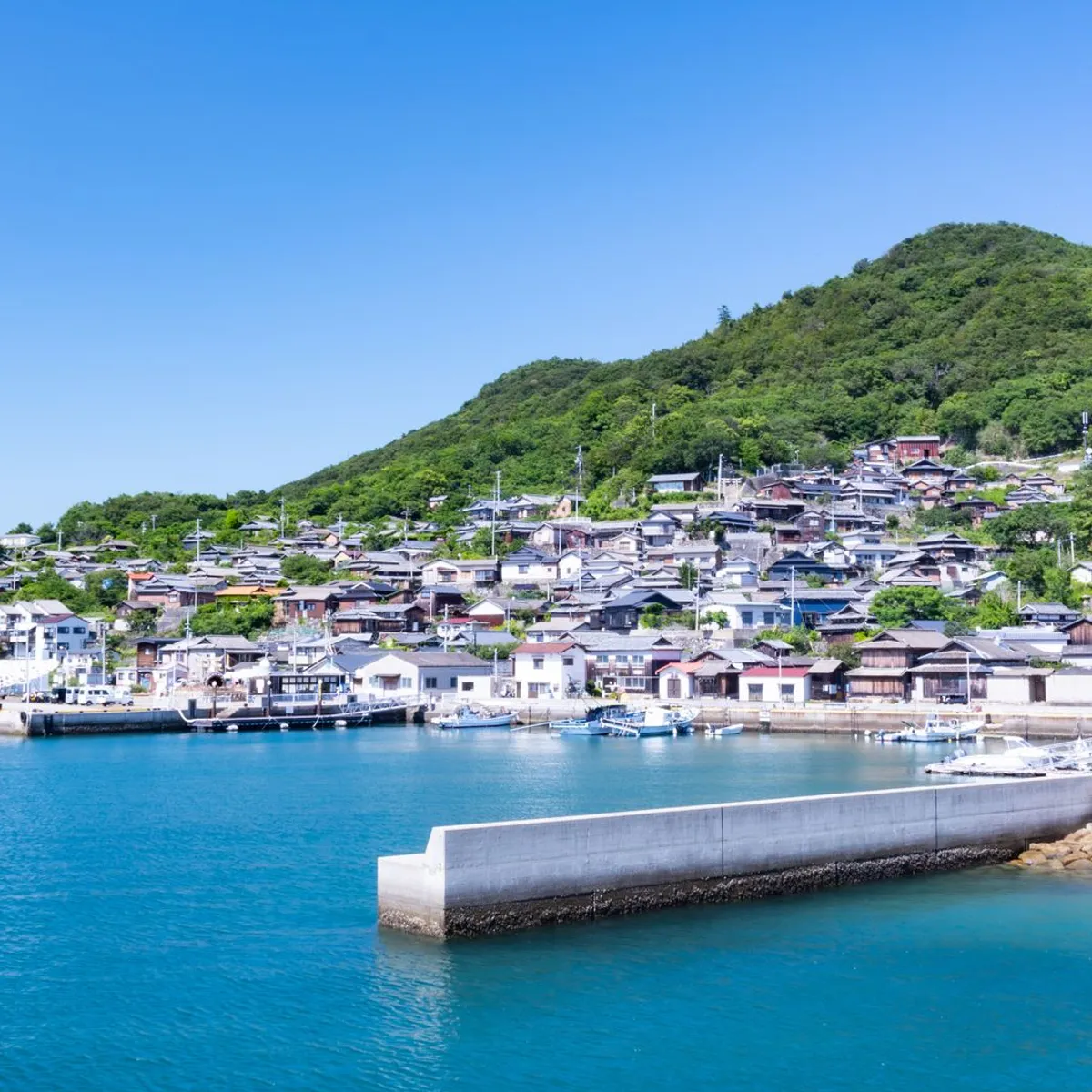
 Photo: meinen ryu / Pexels
Nishinomiya-hama
Nishinomiya-hama accessibility for wheelchair users
Compare Nishinomiya-hama by accessibility, transport, terrain, healthcare, cost, weather, laws, reviews, and community notes.
Nishinomiya-hama accessibility scores
Compare Nishinomiya-hama by accessibility, transport, terrain, healthcare, cost, weather, and laws. General stats use public data and models. Community rows reflect member reviews and votes.
General stats
National benchmarks and estimates — your experience in this city may differ.
Community
Starts from our estimate — thumbs up nudge toward Excellent, down toward Poor. Reviews use 1–5 stars.
These figures combine public statistics, models, and live weather where available. Every city is different — treat this as a guide, and share what you know in the Reviews & Corrections tab.
Profile last updated 6/30/2026.
Nishinomiya-hama wheelchair accessibility guide
Research Nishinomiya-hama for wheelchair users and caregivers: getting around, terrain, healthcare, costs, climate, accessible things to do, and practical caveats before booking.
Last updated 6/30/2026At a glance
Nishinomiya-hama is best treated as a waterfront base within Nishinomiya rather than a self-contained tourist city. The live profile scores it well overall, with strong infrastructure and wheelchair-transport signals, but the terrain sample is the warning: the wider Nishinomiya area mixes flat reclaimed waterfront with steeper inland approaches toward the Rokko foothills. Costs in the database are from ~$3,110/mo, with housing from ~$1,540/mo. For wheelchair users, the practical strategy is to stay near a station or waterfront hotel, confirm step-free routes in advance, and use taxis or short rail hops for Kansai day trips.
Getting around
Rail access is the main advantage. Nishinomiya sits between Osaka and Kobe, with JR, Hanshin, and Hankyu corridors serving different parts of the city. Station elevators and accessible toilets vary by station and exit, so check the operator station map for the exact stop before choosing lodging. Buses and taxis fill gaps around the marina and stadium areas, but do not assume curb cuts or smooth sidewalk continuity on older residential streets.
Terrain & mobility
The waterfront and stadium zones are usually the easiest parts to plan around; inland routes can become much hillier. The database terrain sample shows a very hilly wider area, while pavement confidence is only medium, so treat map distance as less important than slope, bridge crossings, and station-exit choice. Typhoon-season rain can make waterfront paths slippery, and summer heat makes shaded rest stops important.
Healthcare & care
The database lists several OSM healthcare leads around Nishinomiya and nearby Amagasaki, including Shibatani Clinic, Ehara Clinic, Nayu Clinic, and internal-medicine clinics. Treat these as leads, not guaranteed accessible providers. For planned care, confirm Japanese-language intake, lift/transfer support, appointment rules, and whether a larger hospital in Nishinomiya, Amagasaki, Osaka, or Kobe is more appropriate.
Costs & housing
Budget around the database estimate of from ~$3,110/mo, but accessible housing can be much harder than ordinary rental listings suggest. Prioritize step-free building entrance, elevator size, bathroom thresholds, nearby convenience stores, and a station exit you can use every day. Waterfront apartments may be flatter but can be exposed to wind and rain.
Climate & comfort
Expect humid summers, heavy rain, and occasional typhoon disruption. Winters are milder than inland mountain cities, but wind along the bay can be uncomfortable for long waits. Plan indoor backup routes and avoid relying on a single bus connection for medical or airport travel.
Accessible things to do
Hanshin Koshien Stadium— a major, well-documented destination; use the stadium/operator access information and reserve any wheelchair seating or lift-supported routing before match day.
Nishinomiya Shrine— a central historic shrine and flat-ish city landmark, but stone, gravel, crowds, and festival congestion make a companion and route check useful.
Otani Memorial Art Museum, Nishinomiya City— a compact museum option; verify current elevator, toilet, and entrance details directly before visiting.
Shukugawa Park corridor— a pleasant riverside/cherry-blossom route where short, chosen segments are safer than assuming the whole path is smooth.
Community & language
Daily life is Japanese-first, with more English support around major rail, stadium, and hotel touchpoints. Long-term residents should arrange translation help for clinics, housing contracts, and city paperwork.
Would we recommend it?
Yes, with planning. Nishinomiya-hama can work for someone who wants Kansai access, a quieter waterfront feel, and proximity to Osaka/Kobe, but it is not a “roll out and improvise” destination. Choose lodging by verified step-free routes, not by neighborhood name alone.
These figures combine public statistics, models, and live weather where available. Every city is different — treat this as a guide, and share what you know in the Reviews & Corrections tab.
Profile last updated 6/30/2026.
Reviews & corrections
Share your experience or suggest a data correction. Both appear publicly; admin updates official city scores and costs separately.
Log in to write a review or suggest a correction.
No reviews or corrections yet.