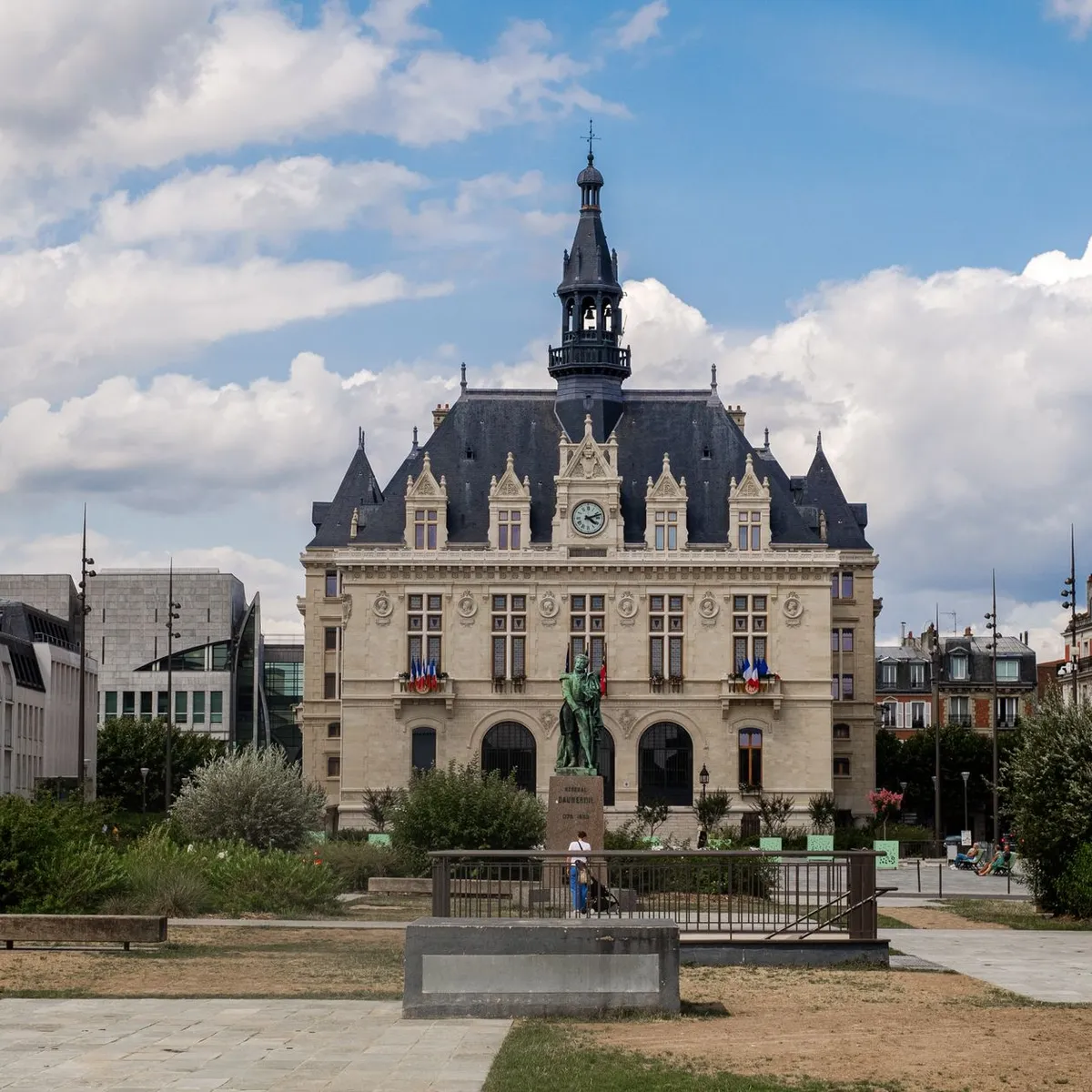
 Photo: Svitlana Shakalova / Pexels
Orléans
Orléans accessibility for wheelchair users
Compare Orléans by accessibility, transport, terrain, healthcare, cost, weather, laws, reviews, and community notes.
Orléans accessibility scores
Compare Orléans by accessibility, transport, terrain, healthcare, cost, weather, and laws. General stats use public data and models. Community rows reflect member reviews and votes.
General stats
National benchmarks and estimates — your experience in this city may differ.
Community
Starts from our estimate — thumbs up nudge toward Excellent, down toward Poor. Reviews use 1–5 stars.
These figures combine public statistics, models, and live weather where available. Every city is different — treat this as a guide, and share what you know in the Reviews & Corrections tab.
Profile last updated 6/30/2026.
Orléans wheelchair accessibility guide
Research Orléans for wheelchair users and caregivers: getting around, terrain, healthcare, costs, climate, accessible things to do, and practical caveats before booking.
Last updated 6/30/2026At a glance
Orléans is a Loire Valley city with unusually promising RollVenture access signals: accessibility score 74, terrain score 82, infrastructure score 83, and high-confidence pavement data. The row estimates about 124,149 residents and costs from ~$3,628/mo, so it is not a bargain city, but it offers a flatter, more service-rich alternative to many older French destinations. For wheelchair users, the main appeal is the combination of flat terrain, tram/bus urban mobility, healthcare leads, and a compact historic core. The main caution is that medieval streets and riverfront surfaces can still be uneven.
Getting around
TAO / Keolis Orléans Métropole Mobilité operates the local transport network, and the official site provides route, ticketing, and accessibility-related support links, though the specific accessibility page checked during research returned an error. Use the official journey planner for current routes and verify accessible stop pairs before travel. The tram corridors are usually the most predictable spine for a wheelchair user, while bus trips need vehicle and stop checks. For late-night trips, medical visits, or luggage, pre-booked accessible taxi arrangements may be necessary.
Terrain & mobility
The terrain profile is very favorable: mostly flat, maximum sampled grade around 0.8%, and only about 42 m of sampled elevation range. OSM pavement confidence is high, with asphalt and paving-stone surfaces common and no poor-surface share in the stored sample. That does not eliminate barriers: the historic center around the cathedral and older streets can include setts, narrow pavements, cafe spillover, and construction detours. Still, Orléans should be easier to roll than hillier Loire or medieval cities.
Healthcare & care
OSM healthcare leads near the center include Clinique laser vision Orléans, Infirmieres D.E., Centre de jour Marcel Proust, Imagerie médicale Madeleine, and Centre de radiologie. These are leads, not audited accessible providers. Call ahead for entrance details, lift access, accessible toilets, transfer assistance, and whether appointments can be handled in English. Stored monthly estimates are medical from ~$160/mo, PT from ~$112/mo, and home aid from ~$846/mo.
Costs & housing
The stored estimate is from ~$3,628/mo, with housing around $1,602/mo. Costs are high enough that housing quality should be non-negotiable. Accessible apartments in older buildings may fail on the building entrance even when the unit looks renovated. Ask for step-free route photos from street to lift, lift dimensions, bathroom turning space, and shower threshold. Hotels may be easier for short stays, but confirm bed height and bathroom layout directly.
Climate & comfort
Orléans has a moderate climate: January averages about 4.6°C, July about 20.8°C, and rain is spread through the year. Snow is not the dominant risk, but winter damp, wet stone, and autumn rain can affect traction. Summers are usually manageable, though heatwaves in France increasingly matter; prioritize shaded Loire routes, air conditioning, and flexible midday breaks.
Accessible things to do
Cathédrale Sainte-Croix area— the city’s landmark zone is central and worthwhile; verify step-free access and expect older paving nearby.
Loire riverfront paths— good for flatter scenic rolling when conditions are dry, but check surface, ramps, and flood/weather closures.
Musée des Beaux-Arts d’Orléans— central cultural anchor; confirm lifts, entrance route, and accessible toilet status before visiting.
Parc Floral de la Source— a major outdoor attraction south of the center; verify current path and toilet accessibility before making the trip.
Community & language
French is essential for detailed housing, care, and transport problem-solving. Tourism staff may speak English, but healthcare and home-care setup will be smoother with prepared French messages. Orléans is big enough to have services but small enough that specialized disability support may require advance scheduling.
Would we recommend it?
Yes, especially for wheelchair users who want a flatter French city with real services and Loire Valley access. It is expensive relative to Poland or Hungary, and you should still verify each venue, apartment, and transit leg. For a user who can afford the housing and values smoother terrain, Orléans is a strong candidate.
These figures combine public statistics, models, and live weather where available. Every city is different — treat this as a guide, and share what you know in the Reviews & Corrections tab.
Profile last updated 6/30/2026.
Reviews & corrections
Share your experience or suggest a data correction. Both appear publicly; admin updates official city scores and costs separately.
Log in to write a review or suggest a correction.
No reviews or corrections yet.