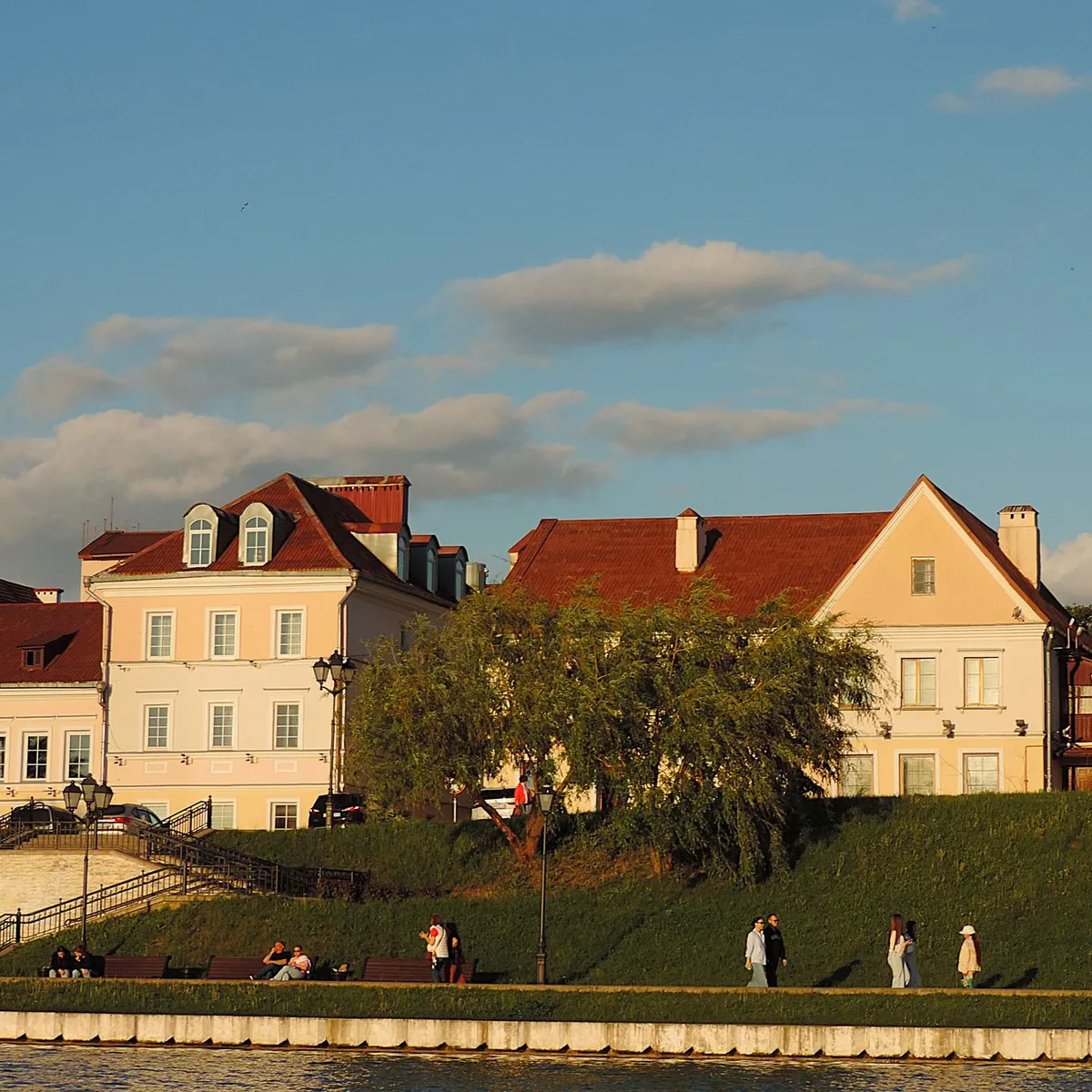
 Photo: little plugg / Pexels
Orsha
Orsha accessibility for wheelchair users
Compare Orsha by accessibility, transport, terrain, healthcare, cost, weather, laws, reviews, and community notes.
Orsha accessibility scores
Compare Orsha by accessibility, transport, terrain, healthcare, cost, weather, and laws. General stats use public data and models. Community rows reflect member reviews and votes.
General stats
National benchmarks and estimates — your experience in this city may differ.
Community
Starts from our estimate — thumbs up nudge toward Excellent, down toward Poor. Reviews use 1–5 stars.
These figures combine public statistics, models, and live weather where available. Every city is different — treat this as a guide, and share what you know in the Reviews & Corrections tab.
Profile last updated 6/30/2026.
Orsha wheelchair accessibility guide
Research Orsha for wheelchair users and caregivers: getting around, terrain, healthcare, costs, climate, accessible things to do, and practical caveats before booking.
Last updated 6/30/2026At a glance
Orsha is a mid-sized city in eastern Belarus, positioned where the Orshitsa meets the Dnieper and shaped by rail, river, military history, and restored religious sites. For a wheelchair user, the appeal is a compact centre with several museums and monuments close to each other, but the access picture should be treated as uneven rather than guaranteed. RollVenture’s stored terrain profile marks the city as gently rolling, with all sampled points classed flat, while the pavement sample is high-confidence but mixed: asphalt exists, yet unpaved and compacted surfaces are common enough to matter. Budget from ~$2,531/mo, including DB housing estimates from ~$1,315/mo.
Getting around
Orsha is known as a transport junction, especially by rail, and the central railway station can be a useful orientation point. Local movement is more likely to depend on taxis, private drivers, and short planned routes than on confidently accessible public transport. If arriving by train, confirm boarding assistance and platform access in advance, ideally in writing. For daily trips, keep routes short, ask hotels to verify step-free entry at both pickup and destination, and expect winter snow or curb edges to change an otherwise manageable route.
Terrain & mobility
The DB terrain sample is favorable: gently rolling, about 1.1% maximum sampled grade, and 100% flat samples. The bigger issue is surface quality. The pavement profile reports only about 16% good tagged surface and 12% poor, with many untagged or unpaved ways. That means central streets around restored landmarks may be workable, but side streets, river approaches, older church grounds, and courtyards can require assistance or a stronger chair.
Healthcare & care
OpenStreetMap-derived healthcare leads list Гарадская бальніца №1 імя Сямашкі very close to the centre, plus several clinics including Паліклініка № 1. Treat these as leads, not access guarantees: call ahead about ramps, lifts, language support, and whether emergency intake is on a step-free route. Long-stay visitors should arrange prescriptions and personal-care backup before arrival because English-language service information can be limited.
Costs & housing
The DB cost profile is moderate for the region: from ~$2,531/mo overall, housing from ~$1,315/mo, and a relatively strong internet estimate of 95 Mbps. The practical housing challenge is less rent than verification. Ask for entrance photos, lift dimensions, bathroom doorway width, shower threshold details, and winter snow-clearing practices before booking.
Climate & comfort
Orsha has cold winters and mild warm-season travel windows. Winter can turn small curb lips and unpaved stretches into major barriers, while shoulder seasons may bring wet surfaces around parks and river paths. Plan medical, grocery, and transit routines before dark in winter, and prefer lodging within a short roll or drive of the main services you expect to use.
Accessible things to do
Ethnographic Museum / Mill Museum— Wikipedia describes a restored early-20th-century watermill in the city centre, now an ethnographic museum. Verify ramps and interior thresholds before visiting because historic industrial buildings can have steps.
Katyusha Memorial Complex— A prominent outdoor memorial tied to the first use of Katyusha rocket launchers near Orsha in 1941. Outdoor viewing is likely easier than museum interiors, but path surface and curb access should be checked.
Epiphany Kutinsky Monastery— A historic monastery complex founded in 1623 and restored over time. It is a strong cultural stop, but stone religious sites often involve uneven paving, thresholds, and limited accessible toilets.
Jesuit College building— One of Orsha’s oldest stone structures, useful for a short architecture-focused stop in the centre. Confirm whether any exhibitions or interiors are open and step-free.
Community & language
Russian and Belarusian are the practical languages; English may be limited outside hotels or younger service workers. Written addresses, map pins, and translated medical notes will reduce friction. People may be helpful, but do not assume staff understand wheelchair-specific requirements unless you describe them clearly.
Would we recommend it?
Cautiously, for experienced travelers who can manage mixed pavement and verify access one stop at a time. Orsha offers real history in a compact setting, but wheelchair comfort depends heavily on lodging choice, seasonal conditions, and advance calls.
These figures combine public statistics, models, and live weather where available. Every city is different — treat this as a guide, and share what you know in the Reviews & Corrections tab.
Profile last updated 6/30/2026.
Reviews & corrections
Share your experience or suggest a data correction. Both appear publicly; admin updates official city scores and costs separately.
Log in to write a review or suggest a correction.
No reviews or corrections yet.