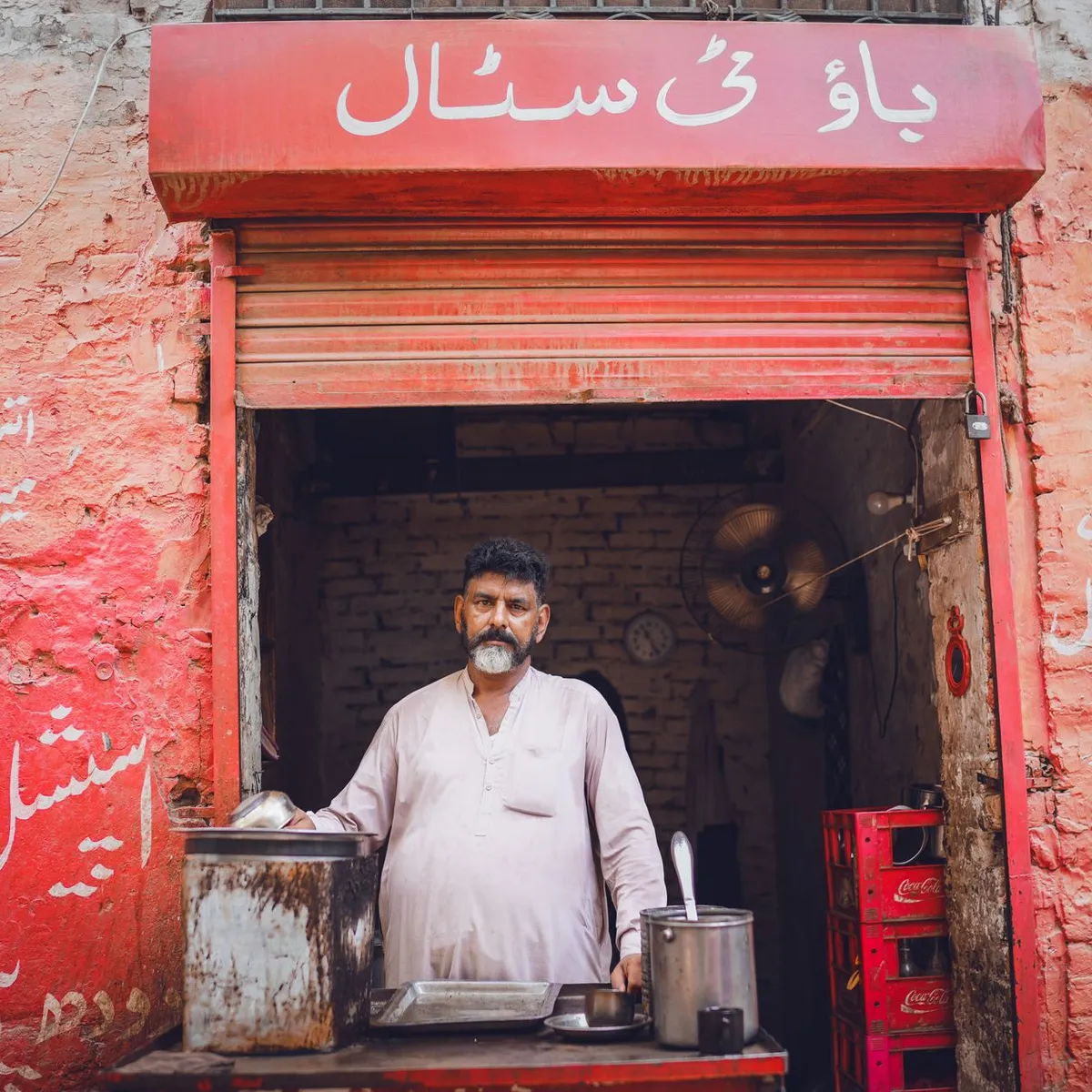
 Photo: Arslan Ashraf Films / Pexels
Peshawar
Peshawar accessibility for wheelchair users
Compare Peshawar by accessibility, transport, terrain, healthcare, cost, weather, laws, reviews, and community notes.
Peshawar accessibility scores
Compare Peshawar by accessibility, transport, terrain, healthcare, cost, weather, and laws. General stats use public data and models. Community rows reflect member reviews and votes.
General stats
National benchmarks and estimates — your experience in this city may differ.
Community
Starts from our estimate — thumbs up nudge toward Excellent, down toward Poor. Reviews use 1–5 stars.
These figures combine public statistics, models, and live weather where available. Every city is different — treat this as a guide, and share what you know in the Reviews & Corrections tab.
Profile last updated 7/1/2026.
Peshawar wheelchair accessibility guide
Research Peshawar for wheelchair users and caregivers: getting around, terrain, healthcare, costs, climate, accessible things to do, and practical caveats before booking.
Last updated 7/1/2026At a glance
Peshawar is a large, historic city in Pakistan's Khyber Pakhtunkhwa province, with RollVenture's live row showing about 1.2 million people and a low-cost profile from ~$1,747/mo. For a wheelchair user, the appeal is cultural depth rather than easy infrastructure: bazaars, old-city lanes, heritage buildings, and food streets are memorable, but access is inconsistent and often depends on a helper, a private vehicle, and calling ahead. Treat hotel choice as the main accessibility decision here; newer business hotels on wider roads are a safer base than old-city guesthouses.
Getting around
Plan around private cars, ride-hailing, or a hired driver. Public transport should not be treated as reliably wheelchair-accessible, and curb ramps or step-free crossings may be missing even near major roads. The old city is dense, busy, and better approached as a short assisted outing than as independent rolling territory. If arriving by air or intercity bus, pre-arrange pickup and make sure the vehicle can handle your chair and luggage.
Terrain & mobility
The database terrain profile labels the city hilly, but sampled grades near the centre were modest; the bigger barrier is street condition. The pavement profile is low-confidence, with many untagged surfaces and limited evidence of good sidewalks. Expect broken pavements, informal parking, market crowds, drainage edges, and security checkpoints. Manual-chair users should plan for pushing help; power-chair users should verify charging, thresholds, and lift access at every overnight stop.
Healthcare & care
OpenStreetMap healthcare leads near the centre include Mission Hospital Peshawar, Wapda Hospital, Syed Anwar Medical Centre, and Aga Khan laboratory collection points. These are leads, not accessibility guarantees, so contact providers directly for ramp/lift access, emergency capability, and English-speaking staff. Bring prescriptions, a repair kit, and backup consumables; specialist wheelchair repair is not something to assume.
Costs & housing
The live cost row estimates total monthly living costs from ~$1,747/mo, including housing around $928, food around $246, transport around $129, medical around $106, PT around $74, and home aid around $264. Accessible housing supply is the unknown: ask for ground-floor rooms or working lifts, door widths, roll-in bathroom photos, generator backup, and whether staff can arrange a driver.
Climate & comfort
Summers can be hot and dry-to-humid, while winter evenings can be cool. Heat, dust, and traffic pollution matter for fatigue and respiratory comfort. Schedule old-city visits early, keep water and shade stops planned, and avoid long rolling segments after dark unless you have local support.
Accessible things to do
Peshawar Museum— a major Gandhara art museum; verify entrance steps, internal ramps, and toilet access before going.
Sethi Mohallah— heritage houses and lanes are culturally rich but likely uneven; best as a short assisted visit rather than independent rolling.
Qissa Khwani Bazaar— famous storytelling-market area; go by car to the closest practical drop-off and expect crowds, uneven paving, and no reliable accessible toilets.
Mahabat Khan Mosque— an important Mughal-era landmark; verify visitor access and prayer-time restrictions, and expect thresholds or shoe-area barriers.
Community & language
Pashto, Hindko, and Urdu are common; English is more likely in hotels, hospitals, and universities than in street markets. Local hospitality can be strong, but disability access expectations are not systematic. A local fixer, hotel concierge, or driver can make the difference between a frustrating day and a workable one.
Would we recommend it?
Only for experienced travellers who actively want Peshawar's history and can travel with assistance. It is not a low-friction wheelchair base, but it can be rewarding if you keep days short, verify each venue, and pay for private transport.
These figures combine public statistics, models, and live weather where available. Every city is different — treat this as a guide, and share what you know in the Reviews & Corrections tab.
Profile last updated 7/1/2026.
Reviews & corrections
Share your experience or suggest a data correction. Both appear publicly; admin updates official city scores and costs separately.
Log in to write a review or suggest a correction.
No reviews or corrections yet.