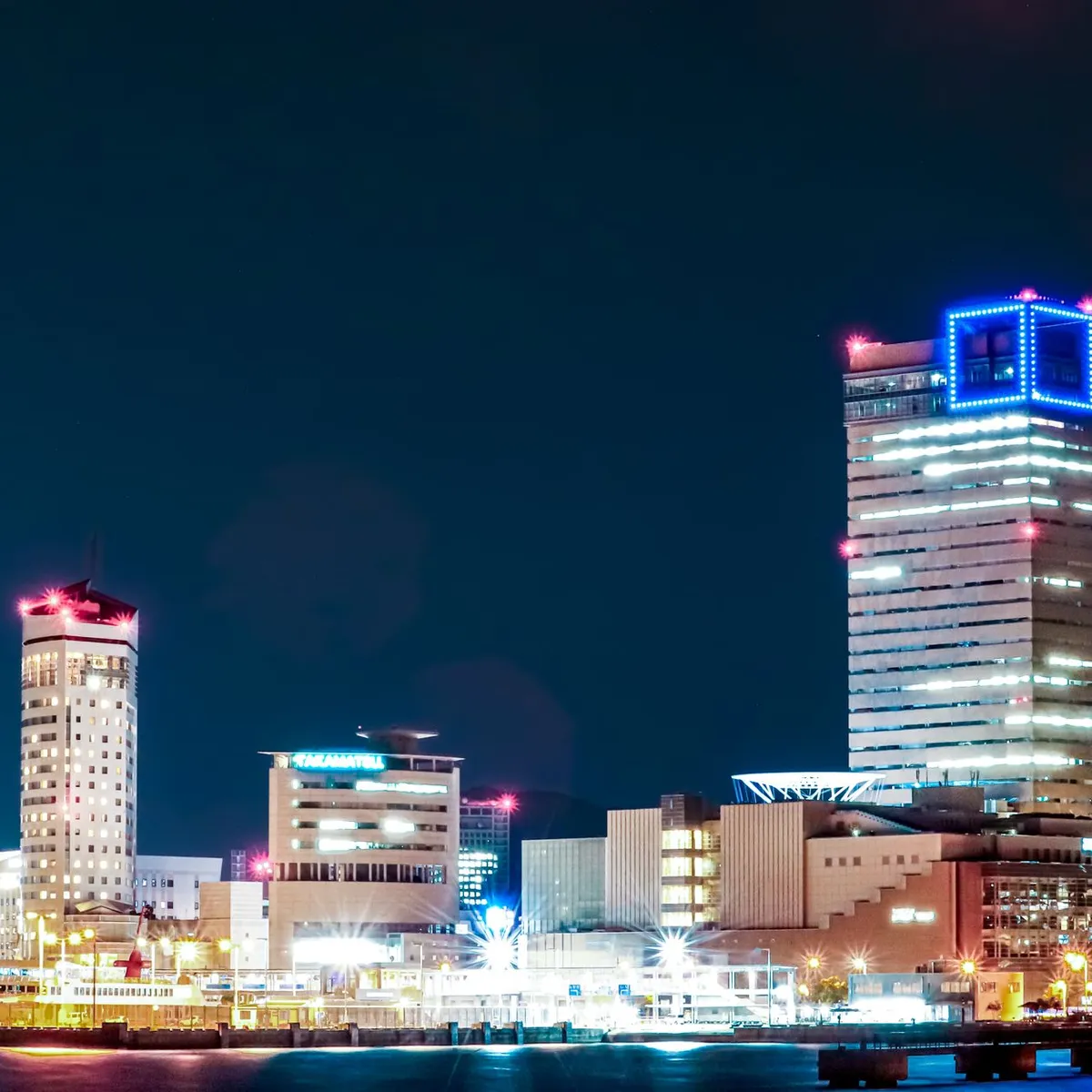
 Photo: rojan gurung / Pexels
Saitama
Saitama accessibility for wheelchair users
Compare Saitama by accessibility, transport, terrain, healthcare, cost, weather, laws, reviews, and community notes.
Saitama accessibility scores
Compare Saitama by accessibility, transport, terrain, healthcare, cost, weather, and laws. General stats use public data and models. Community rows reflect member reviews and votes.
General stats
National benchmarks and estimates — your experience in this city may differ.
Community
Starts from our estimate — thumbs up nudge toward Excellent, down toward Poor. Reviews use 1–5 stars.
These figures combine public statistics, models, and live weather where available. Every city is different — treat this as a guide, and share what you know in the Reviews & Corrections tab.
Profile last updated 6/30/2026.
Saitama wheelchair accessibility guide
Research Saitama for wheelchair users and caregivers: getting around, terrain, healthcare, costs, climate, accessible things to do, and practical caveats before booking.
Last updated 6/30/2026At a glance
Saitama is a practical Greater Tokyo-region base: flatter than many Japanese cities, safer than average, and usually cheaper than central Tokyo, while still connected to the capital by rail. RollVenture estimates monthly living costs from ~$3,462/mo and housing from ~$1,845/mo. The city's accessibility score is solid rather than exceptional, with strong wheelchair transport and infrastructure scores but only medium-confidence pavement data. It is best for someone who wants Japan's rail network and suburban calm, not for someone expecting every older sidewalk or small restaurant to be barrier-free.
Getting around
Rail is the backbone. Saitama sits on major JR and private-rail corridors into Tokyo, and JR East publishes English accessibility support for passengers, although one live check returned a 403 from the English accessibility page during this run. Plan every trip station-by-station: confirm elevator routes, platform gaps, staff assistance windows, and whether transfers require leaving paid areas. Large venues such as Saitama Super Arena publish access/facility information and show elevator, escalator, wheelchair toilet, and locker icons, which helps event planning.
Terrain & mobility
The terrain profile is favorable: mostly flat, low sampled grade, and a small elevation range. The bigger uncertainty is sidewalk detail. OSM pavement coverage is medium confidence, with many untagged surfaces and a pavement score that is usable but not top tier. Expect smooth station plazas and newer shopping areas, mixed curb cuts on local streets, tactile paving that can be bumpy, and occasional narrow approaches around small businesses.
Healthcare & care
The stored healthcare profile lists OSM leads such as SEIWA, IMS Memorial Hospital, and National Defense Medical College Hospital, but these are not a substitute for direct booking checks. For a longer stay, verify English-language support if needed, accessible entry, lift access, toilet access, appointment procedures, and whether home-care or personal-assistance providers serve the exact ward. Japan can be orderly and safe, but bureaucracy and language can slow care setup.
Costs & housing
Costs are better than central Tokyo but still require careful accessible-housing verification. Ask for building age, elevator size, step-free entry, bathroom thresholds, toilet layout, balcony rails, and distance to an elevator-equipped station. Newer apartment blocks near major stations are usually easier than older low-rise housing.
Climate & comfort
Saitama has hot, humid summers and cool winters. Summer heat can make transfers and station approaches difficult; winter is less severe than northern Japan but still requires planning for gloves, chair batteries, and indoor waiting areas.
Accessible things to do
Saitama Super Arena— Official access information shows elevator/escalator and wheelchair-toilet facility cues; confirm event seating and companion policies before buying tickets.
The Railway Museum— A major local museum near Omiya; verify current barrier-free routes, elevators, and wheelchair rental/access services before visiting.
Omiya Bonsai Village and Bonsai Art Museum— A quieter cultural route; check individual garden surfaces and museum access because outdoor paths may vary.
Hikawa Shrine and Omiya Park area— A useful green-space outing, but shrine approaches, gravel, and festival crowds require conservative planning.
Community & language
Japanese is the default, with more English around transport and major venues than in small clinics or local shops. Translation apps help, but medical and housing arrangements should be confirmed in writing.
Would we recommend it?
Yes as a quieter, rail-connected alternative to Tokyo if the user is comfortable pre-checking stations and housing. It is less ideal for spontaneous nightlife or anyone who needs guaranteed English-language care coordination.
These figures combine public statistics, models, and live weather where available. Every city is different — treat this as a guide, and share what you know in the Reviews & Corrections tab.
Profile last updated 6/30/2026.
Reviews & corrections
Share your experience or suggest a data correction. Both appear publicly; admin updates official city scores and costs separately.
Log in to write a review or suggest a correction.
No reviews or corrections yet.