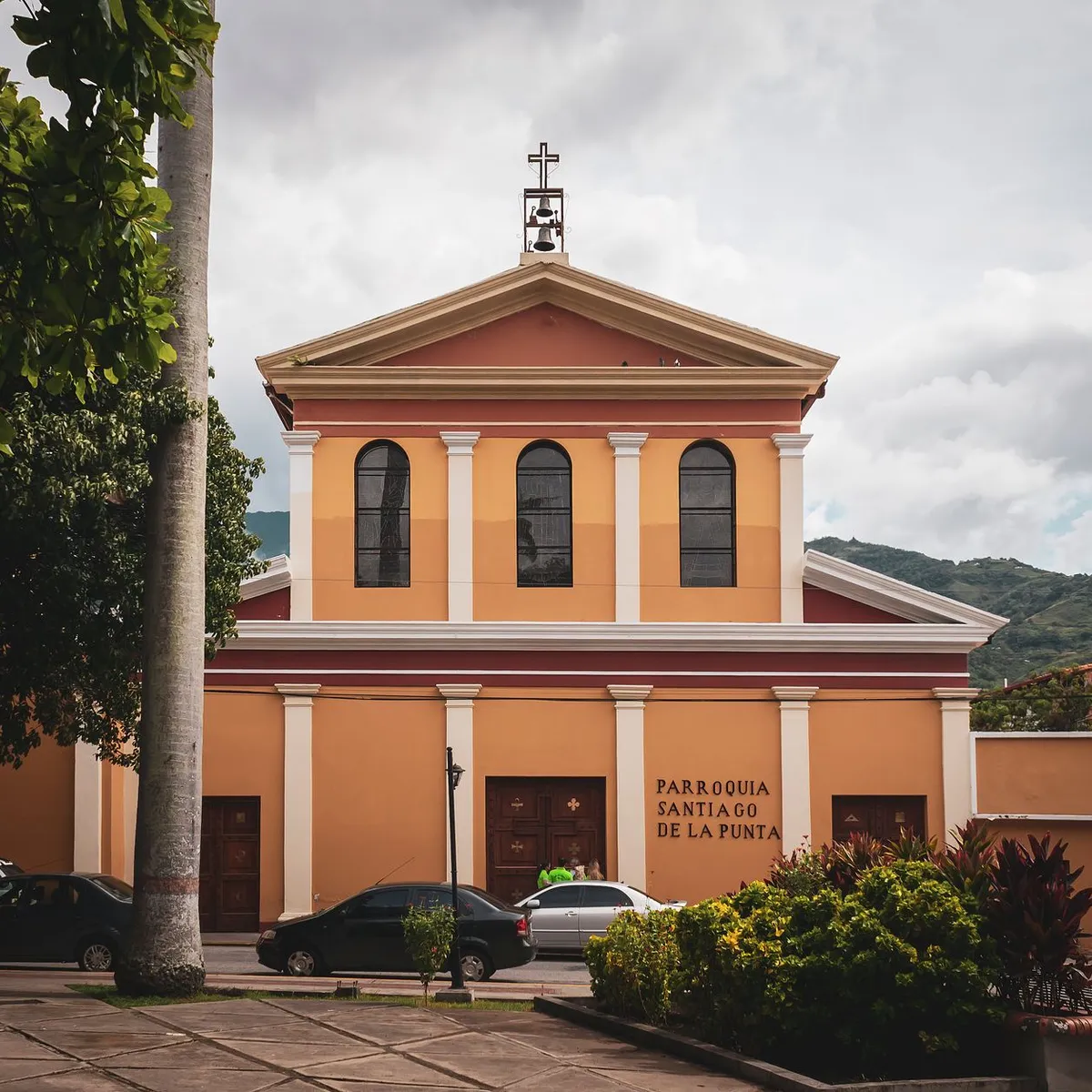
 Photo: Arturo Añez. / Pexels
Santa Cruz de la Sierra
Santa Cruz de la Sierra accessibility for wheelchair users
Compare Santa Cruz de la Sierra by accessibility, transport, terrain, healthcare, cost, weather, laws, reviews, and community notes.
Santa Cruz de la Sierra accessibility scores
Compare Santa Cruz de la Sierra by accessibility, transport, terrain, healthcare, cost, weather, and laws. General stats use public data and models. Community rows reflect member reviews and votes.
General stats
National benchmarks and estimates — your experience in this city may differ.
Community
Starts from our estimate — thumbs up nudge toward Excellent, down toward Poor. Reviews use 1–5 stars.
These figures combine public statistics, models, and live weather where available. Every city is different — treat this as a guide, and share what you know in the Reviews & Corrections tab.
Profile last updated 7/1/2026.
Santa Cruz de la Sierra wheelchair accessibility guide
Research Santa Cruz de la Sierra for wheelchair users and caregivers: getting around, terrain, healthcare, costs, climate, accessible things to do, and practical caveats before booking.
Last updated 7/1/2026At a glance
Santa Cruz de la Sierra is Bolivia's lowland business hub: warmer, flatter, and more car-oriented than highland cities. For a wheelchair user, that combination can work if housing and transport are arranged carefully, but public sidewalks, curb cuts, and bus access remain uneven. The live profile shows costs from ~$2,776/mo, with housing from ~$1,425/mo, transport from ~$205/mo, medical from ~$145/mo, and home aid from ~$507/mo.
Getting around
Plan around taxis, app rides, hotel transfers, or a regular driver rather than relying on public buses. Distances are spread across rings and radial avenues, and crossings can be wide. If you need regular therapy or hospital visits, choose housing close to the clinic and a supermarket instead of assuming the city will be easy to cross daily.
Terrain & mobility
The city is generally kind to wheels from a slope perspective: max sampled grade about 0.9%, 100% flat samples, and a gently rolling label. Pavement confidence is high, with 55% good tagged surfaces and concrete, asphalt, paving stones, and untagged segments. The challenge is not hills; it is discontinuity—driveways, broken curb ramps, missing shade, and wet-season puddling.
Healthcare & care
OpenStreetMap healthcare leads include Clínica Maurer, Clínica Kamiya, Clínica INCOR, and smaller clinics near the centre. These are leads only. Confirm step-free entrances, lifts, imaging access, private insurance acceptance, and whether staff can coordinate home nursing or personal-care referrals. Spanish is usually required for detailed medical coordination.
Costs & housing
The cost profile is higher than many Latin American secondary cities, mostly because accessible-ready housing is likely to be concentrated in newer buildings. Look for elevators with backup power, level garage-to-lobby routes, roll-in or adaptable showers, and proximity to Equipetrol or other modern service areas if budget allows.
Climate & comfort
Santa Cruz is hot, humid, and seasonally rainy. Heat planning matters: morning appointments, shaded pickup points, air-conditioning, and backup routes during storms. Mosquito exposure and drainage conditions should be considered when choosing ground-floor housing.
Accessible things to do
Plaza 24 de Septiembre and Catedral Metropolitana— The central plaza is the easiest cultural starting point; check curb cuts and church entrance details on the day.
Biocentro Güembé— A major leisure destination with gardens and pools; verify paths, vehicle drop-off, restroom access, and whether staff can assist before booking.
Parque Urbano Central— A broad city park option for short outdoor rolls, best visited in cooler hours and with a companion for rough segments.
Ventura Mall or modern malls— Practical for climate-controlled errands, restaurants, pharmacies, and predictable lifts, even if they are not the city's main charm.
Community & language
Spanish is essential. Santa Cruz is commercially active and service-oriented, but formal accessibility information is sparse; phone confirmation and local contacts are more reliable than website claims.
Would we recommend it?
Cautiously yes for people who can budget for newer housing and private transport. It is flatter than many Bolivian alternatives, but the accessible experience depends heavily on building choice, weather, and reliable drivers.
These figures combine public statistics, models, and live weather where available. Every city is different — treat this as a guide, and share what you know in the Reviews & Corrections tab.
Profile last updated 7/1/2026.