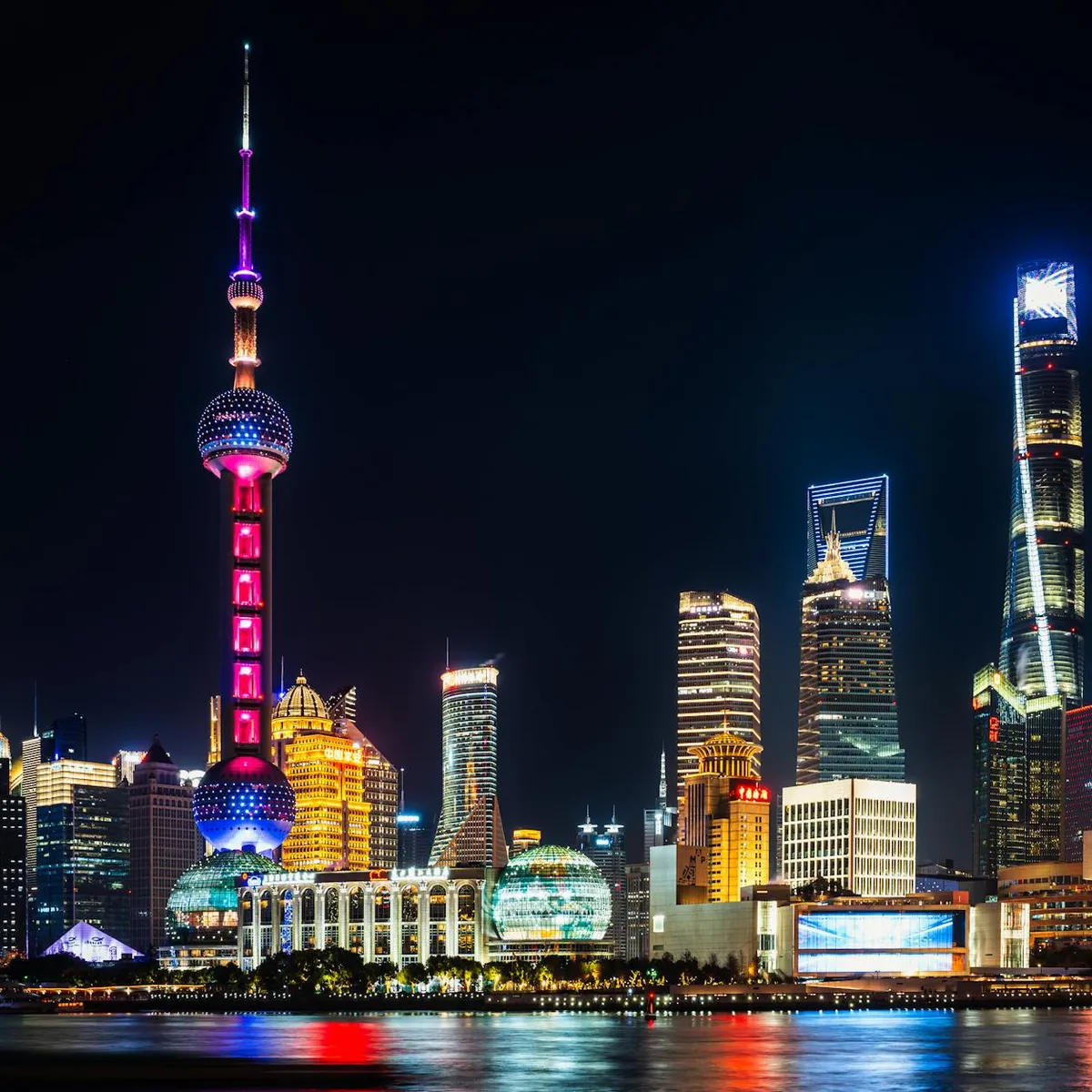
 Photo: Zhengyang TIAN / Pexels
Shanghai
Shanghai accessibility for wheelchair users
Compare Shanghai by accessibility, transport, terrain, healthcare, cost, weather, laws, reviews, and community notes.
Shanghai accessibility scores
Compare Shanghai by accessibility, transport, terrain, healthcare, cost, weather, and laws. General stats use public data and models. Community rows reflect member reviews and votes.
General stats
National benchmarks and estimates — your experience in this city may differ.
Community
Starts from our estimate — thumbs up nudge toward Excellent, down toward Poor. Reviews use 1–5 stars.
These figures combine public statistics, models, and live weather where available. Every city is different — treat this as a guide, and share what you know in the Reviews & Corrections tab.
Profile last updated 6/30/2026.
Shanghai wheelchair accessibility guide
Research Shanghai for wheelchair users and caregivers: getting around, terrain, healthcare, costs, climate, accessible things to do, and practical caveats before booking.
Last updated 6/30/2026At a glance
Shanghai is one of the strongest large-city options in this batch for a wheelchair user who wants infrastructure, hospitals, museums, malls, and metro reach, but it still requires careful verification. The live row estimates from ~$3,388/mo and housing from ~$1,737/mo, so it is not a cheap China base. The terrain is mostly flat, the safety score is high, and major modern districts can work well. The cautions are language barriers, inconsistent older sidewalks, station-by-station elevator checks, and uneven historic lanes around gardens and water-town style districts.
Getting around
Shanghai's advantage is scale: metro, taxis, ride-hailing, airport links, and dense services. Do not assume every metro route is step-free end to end; check elevator status at both stations and allow staff time for assistance. Taxis can be plentiful but not wheelchair-adapted by default. For daily life, choose housing near a modern mall/metro cluster with lifts, curb cuts, and sheltered crossings, then test the exact route before signing a longer stay.
Terrain & mobility
The DB terrain profile is excellent: mostly flat, about 0.3% maximum sampled grade, and very low elevation range. Pavement confidence is low, with untagged surfaces plus asphalt and some cobblestone/cobblestone-flattened entries. That matches the practical pattern: Pudong, People's Square, and large commercial corridors may be smooth, while older lilong lanes, garden approaches, and riverside crowd bottlenecks can be difficult.
Healthcare & care
The DB healthcare leads are OSM-derived and include several hospitals/clinics, but one entry is an animal hospital, so do not rely on the list blindly. Shanghai has major hospitals and international clinics, yet wheelchair users should choose providers directly, confirm language support, physical access, appointment systems, and whether rehabilitation or equipment repair is available. Bring translated medical summaries.
Costs & housing
Budget from ~$3,388/mo and housing from ~$1,737/mo. Accessible apartments are more likely in newer compounds with lifts and underground parking, but bathrooms may still lack roll-in showers. Ask for lift dimensions, step-free building entry, bathroom turning radius, and backup power/elevator procedures.
Climate & comfort
Summers are hot, humid, and stormy; winters are damp and can feel cold indoors. Air-conditioned malls and museums are useful rest stops. Typhoon-season rain can disrupt curb routes and taxi availability.
Accessible things to do
Shanghai Museum East / People's Square museum sites— The official Shanghai Museum page lists its East and People's Square locations, hours, and galleries; verify current building opening and accessibility before visiting.
The Bund riverside— A major flat promenade experience; go early or off-peak to avoid crowd pressure and crossing difficulties.
Lujiazui / Pudong mall-and-skyline loop— Modern towers, malls, and wide plazas make this one of the safer step-free planning areas.
Yu Garden area— Culturally rich but likely crowded, uneven, and threshold-heavy; best with a companion and realistic expectations.
Shanghai urban parks and riverfronts— Good recovery options when you choose newer, paved sections and avoid festival crowds.
Community & language
Mandarin is essential for detailed access requests; English is better in international hotels, museums, and clinics but not universal. Use translated phrases for elevator, ramp, wheelchair, and accessible toilet.
Would we recommend it?
Yes, especially for users who can afford a modern district and do station/venue checks. It is a much better infrastructure bet than smaller rows, but not frictionless.
These figures combine public statistics, models, and live weather where available. Every city is different — treat this as a guide, and share what you know in the Reviews & Corrections tab.
Profile last updated 6/30/2026.
Reviews & corrections
Share your experience or suggest a data correction. Both appear publicly; admin updates official city scores and costs separately.
Log in to write a review or suggest a correction.
No reviews or corrections yet.