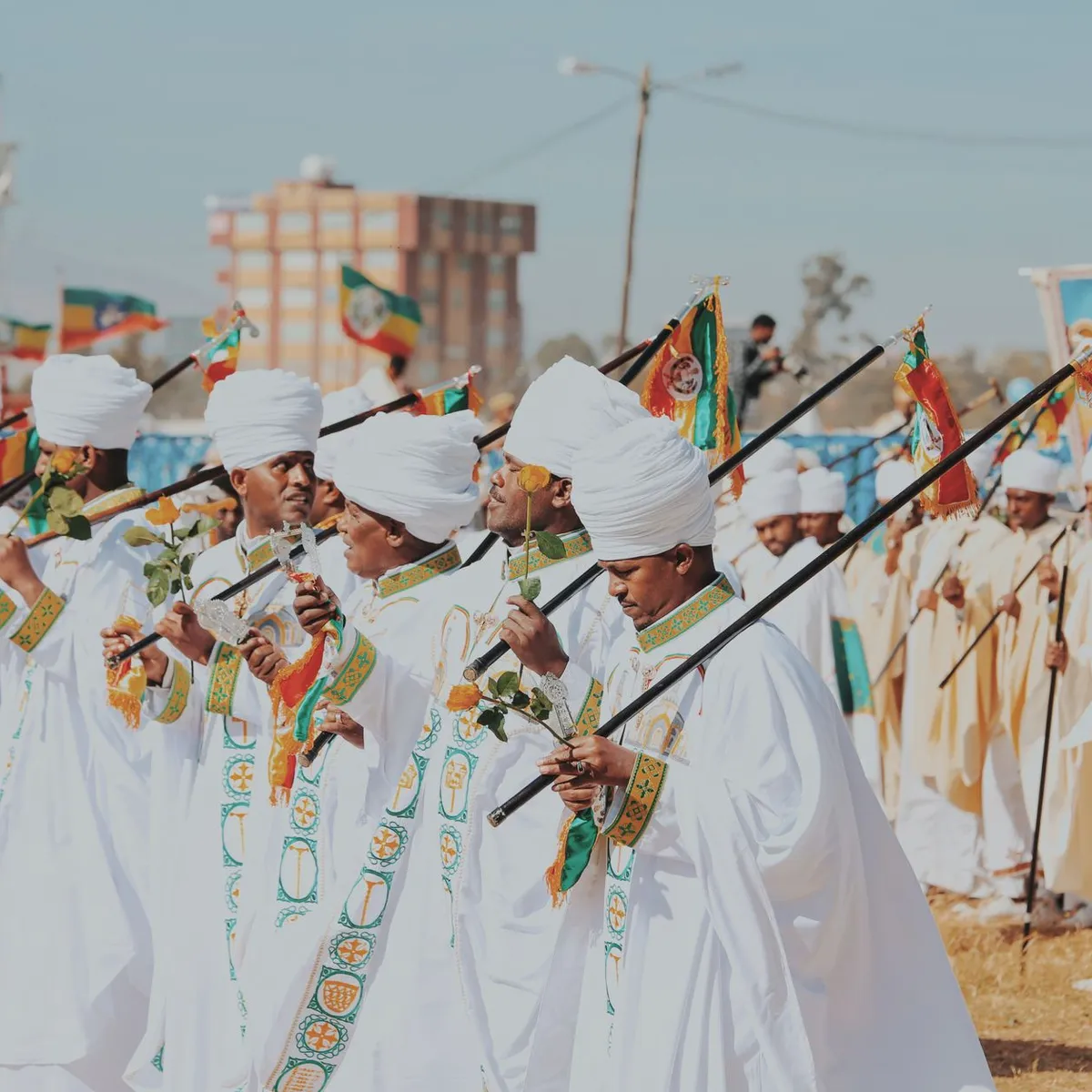
 Photo: Abuti Engidashet / Pexels
Sodo
Sodo accessibility for wheelchair users
Compare Sodo by accessibility, transport, terrain, healthcare, cost, weather, laws, reviews, and community notes.
Sodo accessibility scores
Compare Sodo by accessibility, transport, terrain, healthcare, cost, weather, and laws. General stats use public data and models. Community rows reflect member reviews and votes.
General stats
National benchmarks and estimates — your experience in this city may differ.
Community
Starts from our estimate — thumbs up nudge toward Excellent, down toward Poor. Reviews use 1–5 stars.
These figures combine public statistics, models, and live weather where available. Every city is different — treat this as a guide, and share what you know in the Reviews & Corrections tab.
Profile last updated 7/1/2026.
Sodo wheelchair accessibility guide
Research Sodo for wheelchair users and caregivers: getting around, terrain, healthcare, costs, climate, accessible things to do, and practical caveats before booking.
Last updated 7/1/2026At a glance
Sodo, also written Wolaita Sodo, is a regional city in southern Ethiopia. It has useful healthcare anchors and a university presence, but it is a demanding wheelchair destination because of hills, low infrastructure scores, and weak published accessibility data. The database estimates from ~$1,980/mo overall, with housing from ~$1,032/mo, transport from ~$145/mo, medical costs from ~$125/mo, and home aid from ~$314/mo.
Terrain is the biggest mobility issue: OpenTopoData sampling labels it mixed, with average elevation near 1,943 m and sampled grades up to about 8.6%. Treat Sodo as a place where door-to-door transport and local assistance are part of the accessibility plan.
Getting around
Do not assume accessible buses, step-free sidewalks, or reliable curb cuts. Arrange private vehicles for appointments, shopping, and sightseeing. Hilly streets, drainage channels, rough shoulders, and informal stops can make short distances tiring.
The pavement profile is low-confidence and includes mostly untagged surfaces with asphalt, unpaved, and paved fragments. Before choosing lodging, have someone test the route from the door to the nearest road where a car can safely stop.
Terrain & mobility
The city’s elevation and hills can quickly increase fatigue. Manual-chair users will likely need pushing assistance on many routes. Power-chair users should check braking, battery range, charging reliability, and rain protection.
Plan days around one or two destinations, not long wandering routes. Rain can turn unpaved approaches slippery or muddy.
Healthcare & care
The DB lists **Sodo Christian Hospital** about 0.7 km from the centre and **Wolayta Sodo University Teaching and Referral Hospital** about 1.8 km away as OSM healthcare leads. These are useful anchors, but verify wheelchair entry, specialist departments, lab access, and ambulance routes directly.
For ongoing care, confirm medication availability, power reliability for equipment, and whether home-care support can be arranged locally.
Costs & housing
Costs are moderate in the RollVenture profile, but housing accessibility is the deciding factor. Ask for ground-floor rooms, wide doors, bathroom photos, threshold measurements, paved approach, and whether staff can assist with transfers or luggage.
Because hills matter, a technically accessible room may still be impractical if it sits above a steep or rough lane.
Climate & comfort
Sodo’s high elevation moderates heat, but rain, mud, and cool evenings can affect comfort. Pack rain protection for cushions and electronics. If respiratory issues are a concern, consider altitude and road dust.
Accessible things to do
Sodo town centre cafés and shops— best for short, assisted errands with a driver waiting nearby; verify thresholds before entering.
Wolayta Sodo University area— a practical landmark for services and a smoother planned drive, but confirm campus access rules and surfaces before visiting.
Sodo Christian Hospital area— useful as a healthcare anchor and route-planning reference; do not assume clinical accessibility without calling ahead.
Scenic drives in the Wolaita highlands— more realistic than long wheelchair walks; choose viewpoints where a vehicle can stop safely on firm ground.
Community & language
Amharic and Wolaytta are important locally, with English more likely in hospitals, universities, or larger hotels. A local contact is highly valuable for phone checks and transport coordination.
Would we recommend it?
Only for travelers who specifically need Sodo or have strong local support. Healthcare anchors are helpful, but hills, low infrastructure, and uncertain surfaces make it challenging for wheelchair users.
These figures combine public statistics, models, and live weather where available. Every city is different — treat this as a guide, and share what you know in the Reviews & Corrections tab.
Profile last updated 7/1/2026.
Reviews & corrections
Share your experience or suggest a data correction. Both appear publicly; admin updates official city scores and costs separately.
Log in to write a review or suggest a correction.
No reviews or corrections yet.