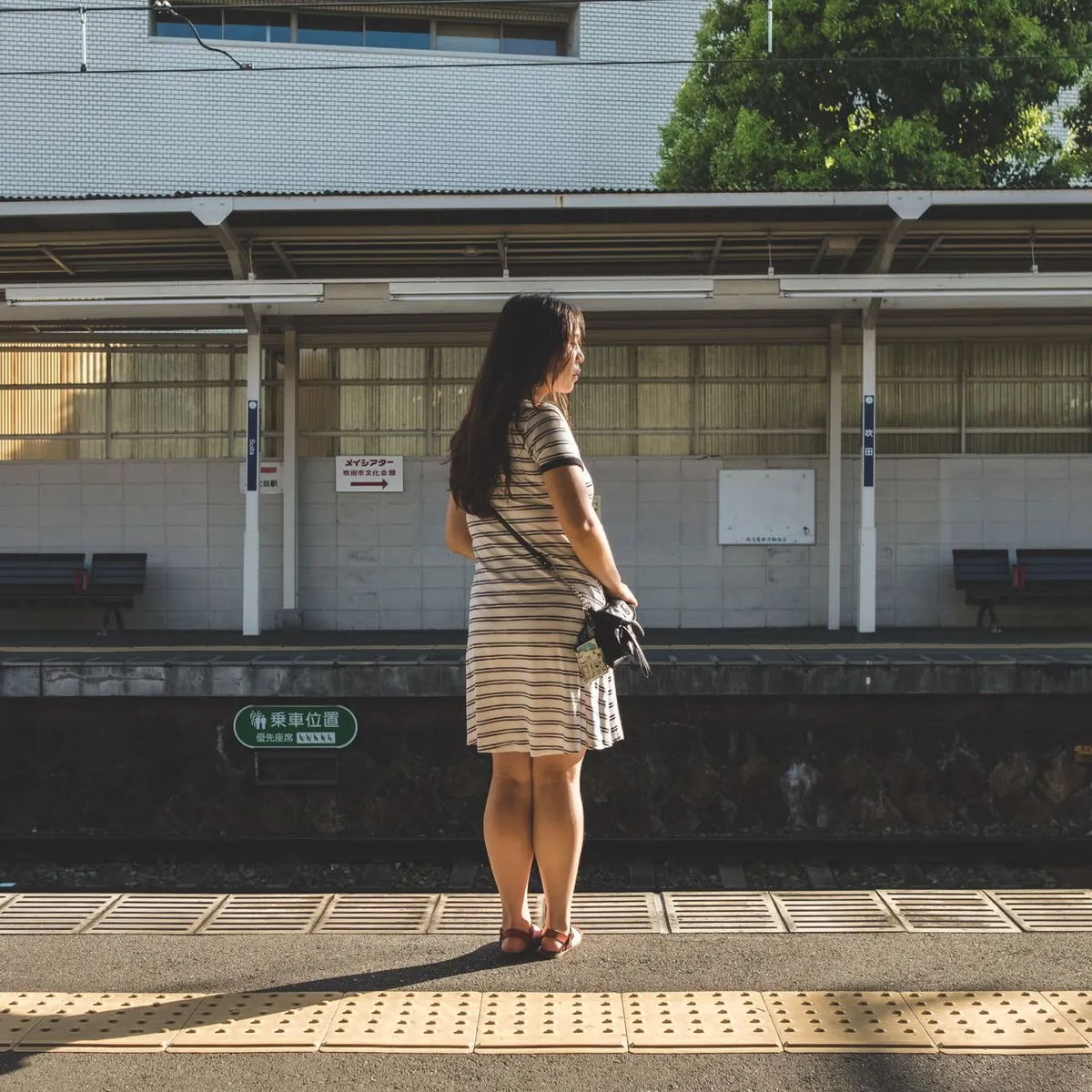
 Photo: Brian Phetmeuangmay / Pexels
Suita
Suita accessibility for wheelchair users
Compare Suita by accessibility, transport, terrain, healthcare, cost, weather, laws, reviews, and community notes.
Suita accessibility scores
Compare Suita by accessibility, transport, terrain, healthcare, cost, weather, and laws. General stats use public data and models. Community rows reflect member reviews and votes.
General stats
National benchmarks and estimates — your experience in this city may differ.
Community
Starts from our estimate — thumbs up nudge toward Excellent, down toward Poor. Reviews use 1–5 stars.
These figures combine public statistics, models, and live weather where available. Every city is different — treat this as a guide, and share what you know in the Reviews & Corrections tab.
Profile last updated 6/30/2026.
Suita wheelchair accessibility guide
Research Suita for wheelchair users and caregivers: getting around, terrain, healthcare, costs, climate, accessible things to do, and practical caveats before booking.
Last updated 6/30/2026At a glance
Suita is a practical north-Osaka base for wheelchair users who want Osaka access without sleeping in the densest parts of the city. The strongest reason to consider it is the Expo '70 Commemorative Park / Bampaku-kinen-koen area: it clusters a large landscaped park, museums, NIFREL, shopping at Expo City, and Osaka Monorail links in one district. The live row scores Suita well for infrastructure and wheelchair transport, but the terrain profile still flags hilly pockets, so choose accommodation close to an elevator-served station rather than assuming every neighborhood is easy.
Costs in the row are mid-to-high for Japan, from ~$3,062/mo, with housing from ~$1,485/mo. That makes Suita less of a bargain than smaller Kansai cities, but it can be easier for care logistics because Osaka medical, rail, and airport links are close. Treat individual clinic listings as leads only and confirm building entry, lift size, and transfer space before relying on them.
Getting around
Suita is tied into JR, Hankyu, Kita-Osaka Kyuko/Osaka Metro connections, and the Osaka Monorail around Expo Park. Station accessibility varies by operator and entrance, so plan trips around elevator-served exits and leave time for detours inside large interchanges. Taxis and care transport should be booked ahead for late evenings, rain, or transfers to less central residential streets.
Terrain & mobility
The DB terrain sample is mixed-to-hilly, with a 6.7% maximum sampled grade, but most samples were flat. Around Expo Park and large commercial complexes, routes are usually easier than older hillside residential streets. Pavement data is medium-confidence: expect many paved/asphalt corridors but some untagged streets, narrow sidewalks, tactile paving, and curb-cut inconsistency.
Healthcare & care
Suita sits within the Osaka medical orbit, and Osaka University Hospital is in the broader Suita area, which is a major advantage for specialist appointments. The row's listed smaller facilities are OSM-derived and should not be treated as verified accessible clinics. For a long stay, arrange a local GP/specialist referral, confirm English or interpreter support if needed, and test the route from home to hospital before choosing housing.
Costs & housing
Use the row's cost estimate of from ~$3,062/mo as a planning floor, not a guarantee. Accessible rentals near stations, Expo City, or direct Osaka links may price above the city average. Ask for step-free building entry, elevator dimensions, bathroom doorway widths, balcony thresholds, and whether the nearest route to transit has steep ramps.
Climate & comfort
Summers are hot, humid, and rainy; winter is milder but damp. Air-conditioning, dehumidification, and covered station access matter. Expo Park is pleasant in shoulder seasons, but outdoor distances can feel long in summer heat, so pace visits and use indoor breaks at museums or shopping areas.
Accessible things to do
Expo '70 Commemorative Park— Official park information describes the large Expo site, Japanese Garden, Natural and Cultural Gardens, museums, sports areas, and access links. Use it as a mostly outdoor, rollable day with careful route planning and weather breaks.
NIFREL— The official English site includes a dedicated Barrier-Free Information link and access information, making it one of the clearer Suita attractions to pre-check for wheelchair users.
National Museum of Ethnology— Located at 10-1 Senri Expo Park in Suita, this is a strong indoor option inside the Expo Park cultural area; confirm temporary exhibition routes and elevator availability before visiting.
Expo City / Osaka Monorail area— The commercial district by Bampaku-kinen-koen Station is useful for meals, toilets, and indoor pacing between attractions, but station-exit choice matters.
Community & language
English support is better around museums, major rail stations, and Osaka-linked services than in small residential clinics or landlords' offices. Japanese documentation is still common for care, rental contracts, and accessibility details, so bring translated notes for medical needs and equipment dimensions.
Would we recommend it?
Yes, with planning. Suita is best for someone who wants a Kansai base with strong infrastructure, Osaka access, and several verifiable accessible-friendly attractions near Expo Park. It is less ideal if you need low-cost housing or guaranteed flat routes in every neighborhood; inspect the exact station-to-home path before committing.
These figures combine public statistics, models, and live weather where available. Every city is different — treat this as a guide, and share what you know in the Reviews & Corrections tab.
Profile last updated 6/30/2026.
Reviews & corrections
Share your experience or suggest a data correction. Both appear publicly; admin updates official city scores and costs separately.
Log in to write a review or suggest a correction.
No reviews or corrections yet.