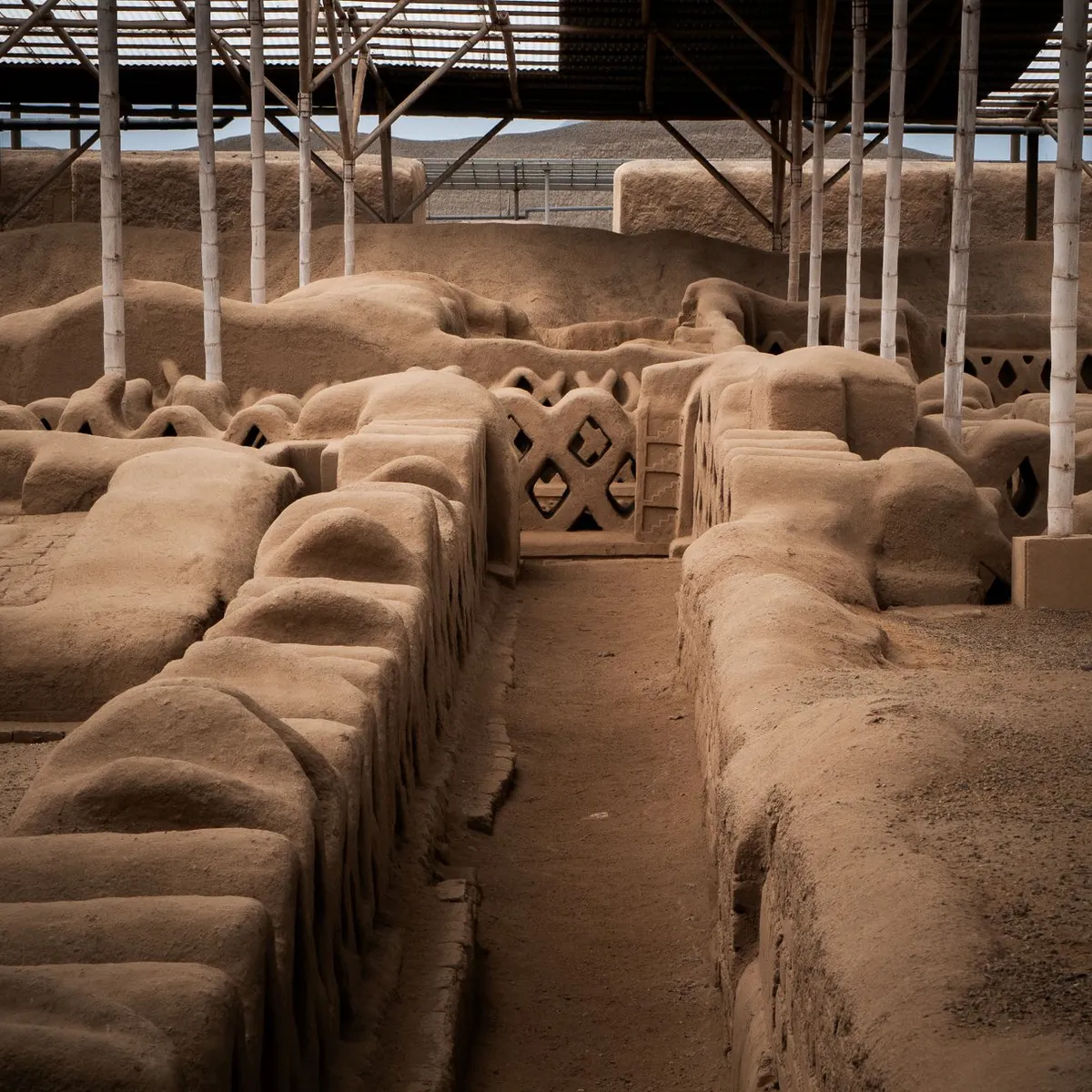
 Photo: Joshuan Barboza / Pexels
Tacna
Tacna accessibility for wheelchair users
Compare Tacna by accessibility, transport, terrain, healthcare, cost, weather, laws, reviews, and community notes.
Tacna accessibility scores
Compare Tacna by accessibility, transport, terrain, healthcare, cost, weather, and laws. General stats use public data and models. Community rows reflect member reviews and votes.
General stats
National benchmarks and estimates — your experience in this city may differ.
Community
Starts from our estimate — thumbs up nudge toward Excellent, down toward Poor. Reviews use 1–5 stars.
These figures combine public statistics, models, and live weather where available. Every city is different — treat this as a guide, and share what you know in the Reviews & Corrections tab.
Profile last updated 7/1/2026.
Tacna wheelchair accessibility guide
Research Tacna for wheelchair users and caregivers: getting around, terrain, healthcare, costs, climate, accessible things to do, and practical caveats before booking.
Last updated 7/1/2026At a glance
Tacna is a dry, border-region city in southern Peru with civic plazas, historic monuments, medical services, and a relatively compact center. For wheelchair users it looks more manageable than many Andean cities, but not effortless: RollVenture’s row shows good pavement sampling, moderate infrastructure, mixed terrain, limited ramp availability, and costs from ~$2,189/mo. The best version of a Tacna stay is central, slow-paced, and built around taxis, short plaza routes, and pre-checked entrances rather than long spontaneous walks.
Getting around
Use taxis or private drivers for most transfers, especially between the airport, bus terminal, hospitals, and attractions. Local buses and colectivos should not be assumed wheelchair accessible. Tacna’s civic core around Paseo Cívico, the cathedral, and nearby museums is the easiest area to cluster, but curb cuts may be inconsistent. If crossing to or from Chile, verify border transport and waiting areas separately.
Terrain & mobility
The stored terrain profile is “Mixed,” with some grade variation but a high pavement score and very low poor-surface share in sampled OSM ways. That suggests the center may offer usable paved stretches, while outer districts and monument sites may still have ramps, steps, gravel, or long exposed approaches. The desert climate also means shade and hydration are mobility issues, not just comfort issues.
Healthcare & care
The row lists Hospital Departamental Hipólito Unanue de Tacna as a nearby emergency hospital lead, plus Policlínico Francisco Bolognesi and other clinics. These are useful starting points, not access guarantees. Call ahead for wheelchair entry, elevators, appointment systems, and whether rehabilitation, imaging, or specialist services are available. Medical Spanish help will make care much smoother.
Costs & housing
RollVenture estimates living costs from ~$2,189/mo, with housing around ~$1,034/mo. Look for newer apartment buildings or hotels near the civic center rather than older walk-ups. Ask for doorway widths, roll-in shower details, lift access, and the street slope outside the entrance. Central lodging reduces transport friction and sun exposure.
Climate & comfort
Tacna is arid and sunny, with low rainfall but strong daytime exposure. Carry water, sun protection, and a plan for shaded breaks. Dry conditions are good for predictable pavement, but plazas and monument areas can feel tiring in midday heat.
Accessible things to do
Paseo Cívico de Tacna— The main civic promenade is the first area to test: it clusters the cathedral, arch, fountains, and seating in a relatively compact public space. Verify curb cuts and paving on arrival.
Tacna Cathedral exterior and plaza— The cathedral is a central landmark. Even if interior access has steps or service constraints, the plaza-facing exterior can be included in a short, vehicle-assisted route.
Museo Ferroviario Nacional de Tacna— The railway museum is a strong candidate for a slower visit, but historic rail sites can include uneven surfaces and narrow areas. Call ahead about ramps, toilets, and staff assistance.
Complejo Monumental Alto de la Alianza— This historic monument is meaningful but more exposed and less central. Treat it as a driver-based outing and confirm drop-off distance, surfaces, and shade.
Mercado Central / central food stop— A short market or cafe stop can work if timed outside peak crowds. Choose a venue with level entry and accessible restroom confirmation rather than improvising.
Community & language
Spanish is essential outside hotels and clinics. Tacna has cross-border movement and a practical service culture, but disability access information is not consistently published. Bring written Spanish questions and photos of your access needs.
Would we recommend it?
Yes, with caveats. Tacna is not a polished accessible destination, but its paved center, dry climate, and manageable costs make it a possible base for travelers who can use taxis and verify lodging carefully.
These figures combine public statistics, models, and live weather where available. Every city is different — treat this as a guide, and share what you know in the Reviews & Corrections tab.
Profile last updated 7/1/2026.
Reviews & corrections
Share your experience or suggest a data correction. Both appear publicly; admin updates official city scores and costs separately.
Log in to write a review or suggest a correction.
No reviews or corrections yet.