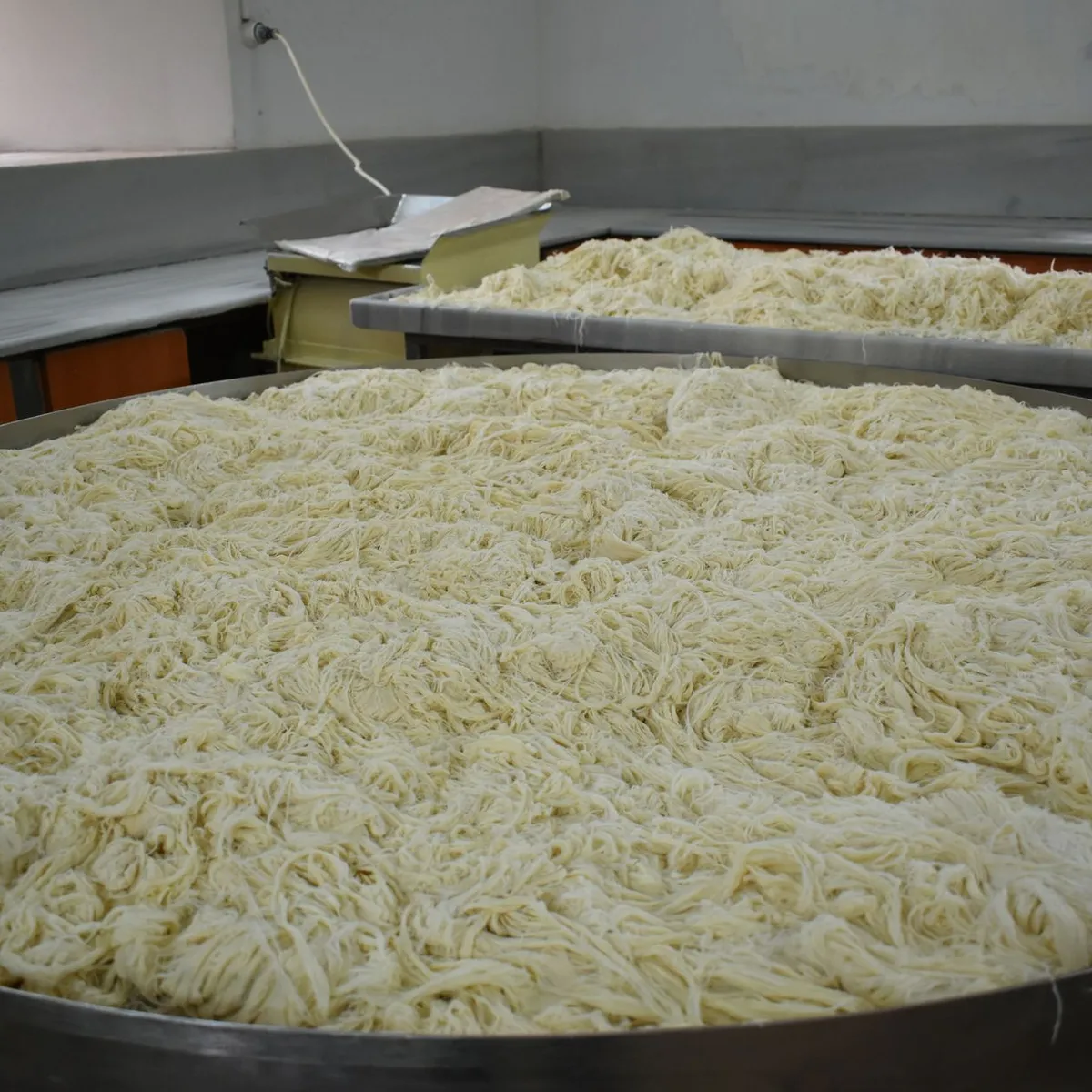
 Photo: Sururi Ballıdağ Director / Pexels
Tarhuna
Tarhuna accessibility for wheelchair users
Compare Tarhuna by accessibility, transport, terrain, healthcare, cost, weather, laws, reviews, and community notes.
Tarhuna accessibility scores
Compare Tarhuna by accessibility, transport, terrain, healthcare, cost, weather, and laws. General stats use public data and models. Community rows reflect member reviews and votes.
General stats
National benchmarks and estimates — your experience in this city may differ.
Community
Starts from our estimate — thumbs up nudge toward Excellent, down toward Poor. Reviews use 1–5 stars.
These figures combine public statistics, models, and live weather where available. Every city is different — treat this as a guide, and share what you know in the Reviews & Corrections tab.
Profile last updated 7/1/2026.
Tarhuna wheelchair accessibility guide
Research Tarhuna for wheelchair users and caregivers: getting around, terrain, healthcare, costs, climate, accessible things to do, and practical caveats before booking.
Last updated 7/1/2026At a glance
Tarhuna is a Libyan town southeast of Tripoli in the Murqub region. It is more practical as a local-services stop or family base than as a classic accessible travel destination. The DB profile shows hilly terrain, low pavement confidence, and wheelchair transport at 36. The positive is that the sampled grades are not extreme compared with mountain towns; the negative is limited verified visitor infrastructure. Estimated costs start around ~$2,190/mo, with housing from ~$1,141/mo, transport from ~$161/mo, medical from ~$124/mo, and home aid from ~$368/mo.
Getting around
Assume private car travel. Public transport accessibility should not be relied on without direct confirmation. Arrange a driver familiar with Tarhuna and Tripoli routes, and confirm whether the vehicle can carry a wheelchair securely. For medical or airport trips, build in extra time for checkpoints, road conditions, and weather.
Terrain & mobility
The terrain profile labels Tarhuna hilly, with average elevation near 388 m and a sampled max grade around 2.7%. That suggests manageable slopes in parts of town, but pavement evidence is weak: only 26 tagged surfaces in the sample, with asphalt, unpaved, and many untagged ways. Expect discontinuous sidewalks, sandy shoulders, broken curbs, and step entrances. Choose accommodation based on the immediate street and bathroom layout, not city-average terrain.
Healthcare & care
OSM healthcare leads include مصحة الشفاء, مصحة الرحمة, المركز الصحي, مصحة الصفوة, and مستشفى ترهونة التعليمي. These are close local leads, not confirmed accessible facilities. Before staying, verify emergency intake, step-free entry, imaging, pharmacy stock, and whether care can be coordinated with Tripoli if needed. Carry Arabic medical notes and extra medication.
Costs & housing
The cost estimates are moderate, but accessible housing will be a custom search. Ask for a video from parking area to entrance, bed, bathroom, and kitchen. Confirm water, power, cooling, and whether a helper can stay nearby. Budget for a driver and for modifications such as a shower chair or temporary ramp if a host agrees.
Climate & comfort
Tarhuna has hot, dry periods and cooler winter nights. Heat and dust can make outdoor rolling tiring, while winter rain can worsen unpaved approaches. Plan errands in daylight and avoid relying on long pedestrian segments.
Accessible things to do
Tarhuna central streets— Use the center for a short orientation drive and carefully selected stops; verify curb and doorway conditions before unloading.
Local market area— Markets can be useful for food and daily life, but expect crowds, uneven ground, and narrow aisles. Go early with assistance.
Town mosque/exterior landmarks— Religious and civic landmarks may be meaningful exterior stops; confirm permissions and step-free access before entering.
Tripoli day route— For larger hospitals, services, and indoor venues, a planned Tripoli day trip may be more practical than searching locally, but transport reliability is essential.
Community & language
Arabic is the daily language. A local contact is essential for transport, healthcare calls, and reading current safety conditions. Do not rely on English signage or online listings alone.
Would we recommend it?
Only with strong local support. Tarhuna has enough local services to function for a supported stay, but low transport accessibility, weak pavement evidence, and limited verified attractions make it unsuitable for most independent wheelchair travelers.
These figures combine public statistics, models, and live weather where available. Every city is different — treat this as a guide, and share what you know in the Reviews & Corrections tab.
Profile last updated 7/1/2026.
Reviews & corrections
Share your experience or suggest a data correction. Both appear publicly; admin updates official city scores and costs separately.
Log in to write a review or suggest a correction.
No reviews or corrections yet.