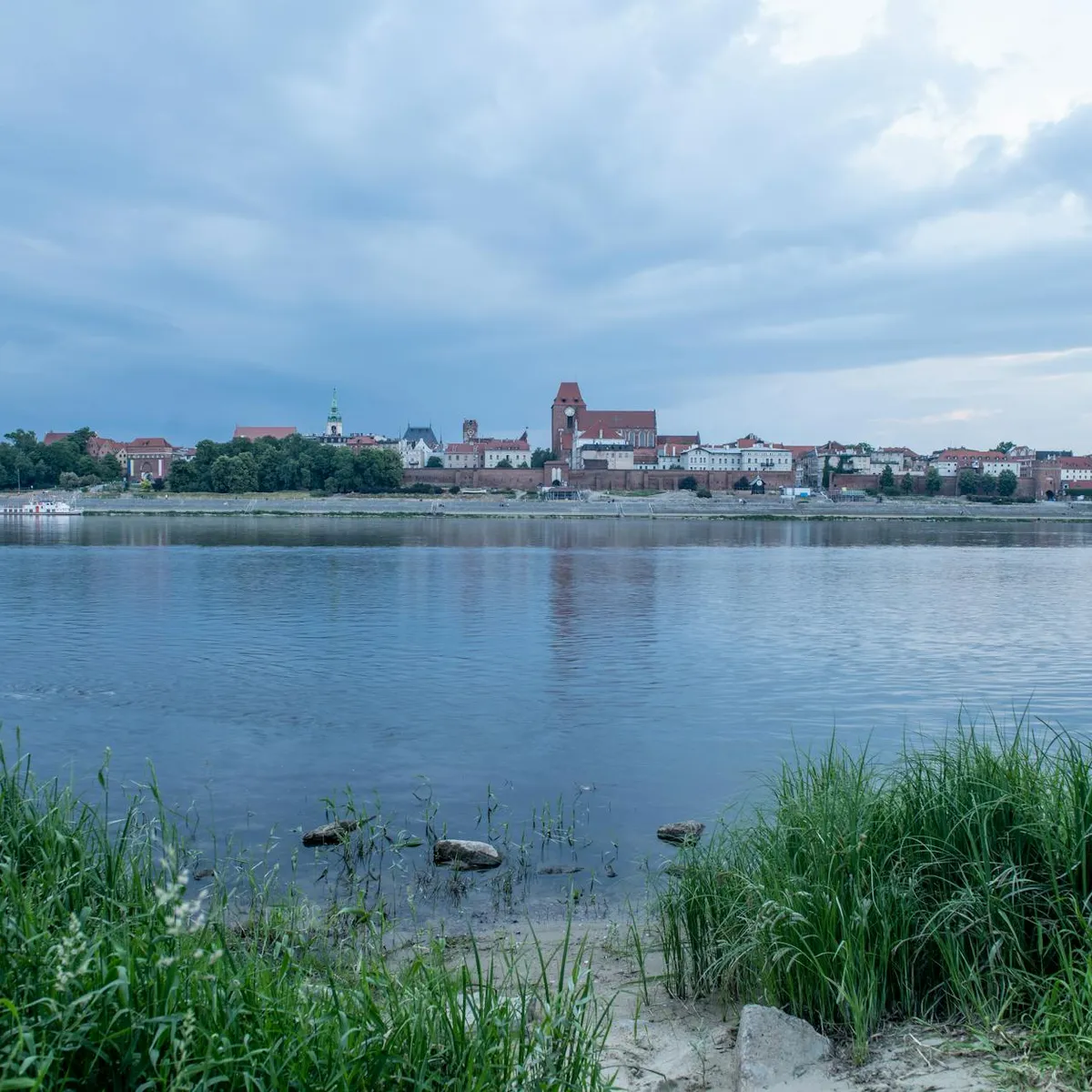
 Photo: Krzysztof Jaworski-Fotografia / Pexels
Toruń
Toruń accessibility for wheelchair users
Compare Toruń by accessibility, transport, terrain, healthcare, cost, weather, laws, reviews, and community notes.
Toruń accessibility scores
Compare Toruń by accessibility, transport, terrain, healthcare, cost, weather, and laws. General stats use public data and models. Community rows reflect member reviews and votes.
General stats
National benchmarks and estimates — your experience in this city may differ.
Community
Starts from our estimate — thumbs up nudge toward Excellent, down toward Poor. Reviews use 1–5 stars.
These figures combine public statistics, models, and live weather where available. Every city is different — treat this as a guide, and share what you know in the Reviews & Corrections tab.
Profile last updated 6/30/2026.
Toruń wheelchair accessibility guide
Research Toruń for wheelchair users and caregivers: getting around, terrain, healthcare, costs, climate, accessible things to do, and practical caveats before booking.
Last updated 6/30/2026At a glance
Toruń combines a famous medieval core with relatively friendly terrain, but the old-town surfaces need realistic expectations. RollVenture’s live row estimates monthly living cost from ~$2,219/mo, housing from ~$831/mo, and internet around 70 Mbps. Scores are moderate: accessibility 56, terrain 67, infrastructure 67, ramp availability 59, wheelchair transport 61. The pavement profile is high-confidence, with 48% good tagged surfaces and 6% poor; asphalt, paving stones, and sett/cobbled materials all appear.
Getting around
Wikivoyage identifies Toruń as a medieval Vistula River city and notes train, car, bus, and local getting-around sections. For wheelchair users, the key is to separate arrival access from old-town strolling. Confirm rail-station assistance and accessible taxi options before arrival, then choose lodging either within carefully checked old-town access or just outside it on smoother streets.
Terrain & mobility
The DB terrain is manageable: gently rolling, 59 m average elevation, 1.0% max sampled grade, and 100% flat samples. Pavement is the harder issue. Toruń’s UNESCO-listed medieval Old Town is a draw, but historic paving can be tiring for manual chairs and uncomfortable for some powerchair users. Plan shorter loops, avoid wet/icy conditions, and use smoother riverside approaches where available.
Healthcare & care
The healthcare profile lists central clinic leads such as Nasz Lekarz, Przychodnia Rodzinna, and specialist medical offices. They are OSM-derived leads, so call ahead for step-free entrance, lift access, accessible toilets, and language support. For recurring PT or home aid, verify capacity before committing to a stay.
Costs & housing
Costs sit in the moderate Poland range: food from ~$410/mo, transport from ~$214/mo, medical from ~$134/mo, PT from ~$94/mo, and home aid from ~$536/mo. Accessible housing in historic buildings may be difficult; newer apartments outside the medieval core are safer, even if they require short taxi or transit trips.
Climate & comfort
Toruń has cold winters and pleasant shoulder seasons. Snow and freeze-thaw conditions make cobbles and curb ramps much less forgiving, so spring through early autumn is the best mobility window. In winter, choose indoor museums close to drop-off points rather than trying to roll every old-town street.
Accessible things to do
Medieval Old Town— Wikivoyage notes Toruń’s Old Town is UNESCO-listed; visit in short segments and expect cobbles, paving stones, and crowds.
Vistula riverside route— A good lower-gradient orientation option; check curb cuts from the old town down toward the river.
Copernicus House area— Major heritage lead tied to the city’s best-known figure; verify museum lift/access details before visiting.
Living Museum of Gingerbread / gingerbread-themed stops— A distinctive Toruń activity lead; confirm workshop seating, entrance thresholds, and toilet access.
Community & language
Polish is primary, with English more likely in hotels and main museums than in clinics. Bring written Polish access phrases and keep backup taxi options.
Would we recommend it?
Yes, with old-town caveats. Toruń is worthwhile for culture and manageable distances, but choose modern accessible lodging and treat cobbled heritage streets as planned excursions, not daily errands. It suits travelers who enjoy compact historic cities and can tolerate some vibration, while users needing consistently smooth surfaces should keep routes short and weather-flexible.
These figures combine public statistics, models, and live weather where available. Every city is different — treat this as a guide, and share what you know in the Reviews & Corrections tab.
Profile last updated 6/30/2026.
Reviews & corrections
Share your experience or suggest a data correction. Both appear publicly; admin updates official city scores and costs separately.
Log in to write a review or suggest a correction.
No reviews or corrections yet.