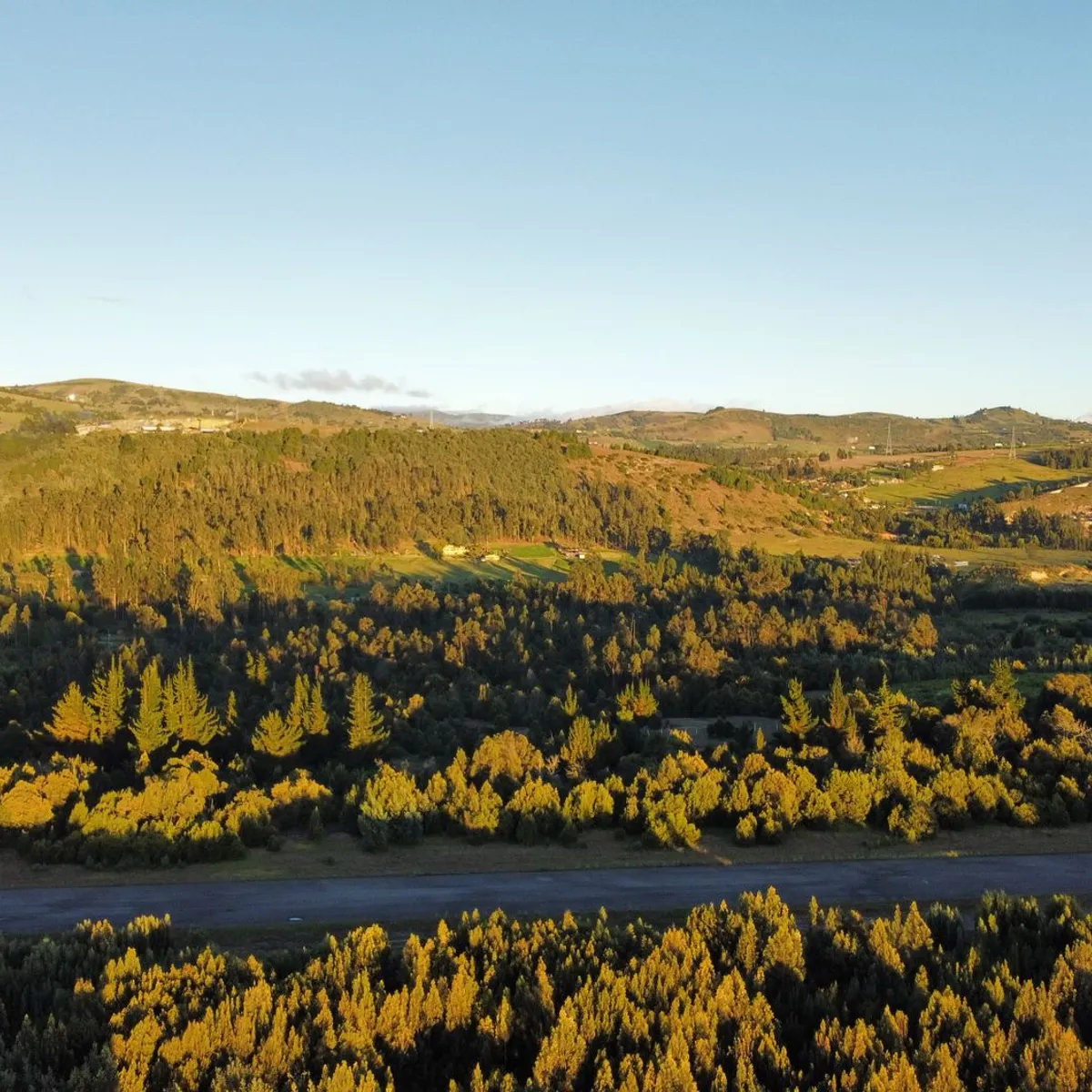
 Photo: Manuel Gamboa / Pexels
Tunja
Tunja accessibility for wheelchair users
Compare Tunja by accessibility, transport, terrain, healthcare, cost, weather, laws, reviews, and community notes.
Tunja accessibility scores
Compare Tunja by accessibility, transport, terrain, healthcare, cost, weather, and laws. General stats use public data and models. Community rows reflect member reviews and votes.
General stats
National benchmarks and estimates — your experience in this city may differ.
Community
Starts from our estimate — thumbs up nudge toward Excellent, down toward Poor. Reviews use 1–5 stars.
These figures combine public statistics, models, and live weather where available. Every city is different — treat this as a guide, and share what you know in the Reviews & Corrections tab.
Profile last updated 6/30/2026.
Tunja wheelchair accessibility guide
Research Tunja for wheelchair users and caregivers: getting around, terrain, healthcare, costs, climate, accessible things to do, and practical caveats before booking.
Last updated 6/30/2026At a glance
Tunja is the capital of Boyacá, a historic Andean city northeast of Bogotá with colonial churches, museums, plazas, universities, and a strong cultural identity. It is also one of the more physically demanding cities in this batch. RollVenture’s DB terrain profile marks Tunja as very hilly, with a sampled maximum grade around 9.4%, only 24% flat samples, and an elevation near 2,855 m. That combination means wheelchair access can be rewarding but effortful: the best plan is to cluster visits around Plaza de Bolívar and use vehicles for steeper transfers. Budget from ~$1,743/mo, with housing estimated from ~$612/mo.
Getting around
Tunja is not a city to improvise in a manual chair. Use taxis or private transfers between districts, then roll short segments in the historic centre after checking gradients. Because Bogotá is about 130 km away, intercity arrival planning matters too: confirm vehicle boarding, luggage help, and whether your lodging can receive you without stairs. Local sidewalks in older areas may be narrow, broken, or steep, even when main plazas are usable.
Terrain & mobility
The DB terrain warning is clear: very hilly, high elevation, and a large elevation range. The pavement profile has low confidence and only a small tagged good-surface share, so assume uneven colonial paving, curb lips, and slopes around churches and museums. Power-chair users should watch battery range at altitude and on climbs; manual-chair users will likely need assistance for anything beyond the flattest central blocks.
Healthcare & care
OpenStreetMap healthcare leads include Hospital San Rafael near the centre, IPS Colmédica Las Nieves, and other medical facilities. Treat these as leads, not guarantees. Call ahead for ramp/lift access, specialist availability, and wheelchair-friendly exam rooms. For complex care, some travelers may still prefer Bogotá as the backup medical hub.
Costs & housing
Tunja’s DB cost estimate is attractive, from ~$1,743/mo overall and housing from ~$612/mo. Do not let low rent override access verification. Ask for building approach photos, slope from street to door, elevator dimensions, hot-water reliability, bathroom turning radius, and whether deliveries can reach the apartment without stairs.
Climate & comfort
At high elevation, Tunja is cool compared with much of Colombia. The climate can be comfortable for people who struggle with heat, but rain and chilly evenings make steep paving more difficult. Bring layers, plan rest stops, and avoid packing too many uphill historic sites into one day.
Accessible things to do
Plaza de Bolívar— The central square is the best orientation point for a wheelchair user, with several historic buildings nearby. Check paving and curb ramps around the edges before committing to longer rolls.
Cathedral Basilica of St. James the Apostle— Wikipedia lists the cathedral on Bolívar Square. It is a major landmark, but like many colonial churches it may have steps, heavy doors, or uneven stone; verify entry access.
Casa Museo del Fundador / Casa Museo Juan de Castellanos— Wikipedia lists both museums on Bolívar Square. Their proximity makes them strong candidates for a clustered visit, but interior thresholds and accessible toilets need confirmation.
Puente de Boyacá— Listed as a relevant historical site in the rural area, this is an important independence monument. It is better approached by vehicle, with on-site path gradients checked before visiting.
Community & language
Spanish is essential for bookings, transport, and medical calls. Tunja is an educational centre, so you may find younger English speakers, but wheelchair-specific details should be written in Spanish. Local people are often helpful, yet terrain means goodwill cannot replace a step-free plan.
Would we recommend it?
Yes for history-focused travelers with a power chair, assistance, or private transfers; not as an easy independent rolling city. The cultural payoff is high, but the hills and colonial fabric require careful pacing.
These figures combine public statistics, models, and live weather where available. Every city is different — treat this as a guide, and share what you know in the Reviews & Corrections tab.
Profile last updated 6/30/2026.
Reviews & corrections
Share your experience or suggest a data correction. Both appear publicly; admin updates official city scores and costs separately.
Log in to write a review or suggest a correction.
No reviews or corrections yet.