 Photo: Juan Felipe Ramírez / Pexels
Zipaquirá
Zipaquirá accessibility for wheelchair users
Compare Zipaquirá by accessibility, transport, terrain, healthcare, cost, weather, laws, reviews, and community notes.
Zipaquirá accessibility scores
Compare Zipaquirá by accessibility, transport, terrain, healthcare, cost, weather, and laws. General stats use public data and models. Community rows reflect member reviews and votes.
General stats
National benchmarks and estimates — your experience in this city may differ.
Community
Starts from our estimate — thumbs up nudge toward Excellent, down toward Poor. Reviews use 1–5 stars.
These figures combine public statistics, models, and live weather where available. Every city is different — treat this as a guide, and share what you know in the Reviews & Corrections tab.
Profile last updated 7/2/2026.
Zipaquirá wheelchair accessibility guide
Research Zipaquirá for wheelchair users and caregivers: getting around, terrain, healthcare, costs, climate, accessible things to do, and practical caveats before booking.
Last updated 7/2/2026At a glance
Zipaquirá is one of Colombia’s more recognizable small-city bases because of the Salt Cathedral, its historic centre, and its location north of Bogotá. The city has appealing costs, from ~$1,712/mo, and a friendly cultural feel, but the mobility picture is mixed: high-altitude terrain, low-confidence pavement data, and tourist sites that need advance access checks. It is best treated as a destination for planned outings rather than a fully accessible independent base.
Getting around
Zipaquirá can be reached from Bogotá by road and tourist rail options, but wheelchair users should verify boarding, platform gaps, vehicle steps, and station assistance directly before booking. Inside town, taxis or arranged cars will be easier than relying on sidewalks for every trip. Stay near the historic centre only if the hotel can confirm step-free access and a workable route to the plaza; otherwise choose a newer property with better vehicle drop-off.
Terrain & mobility
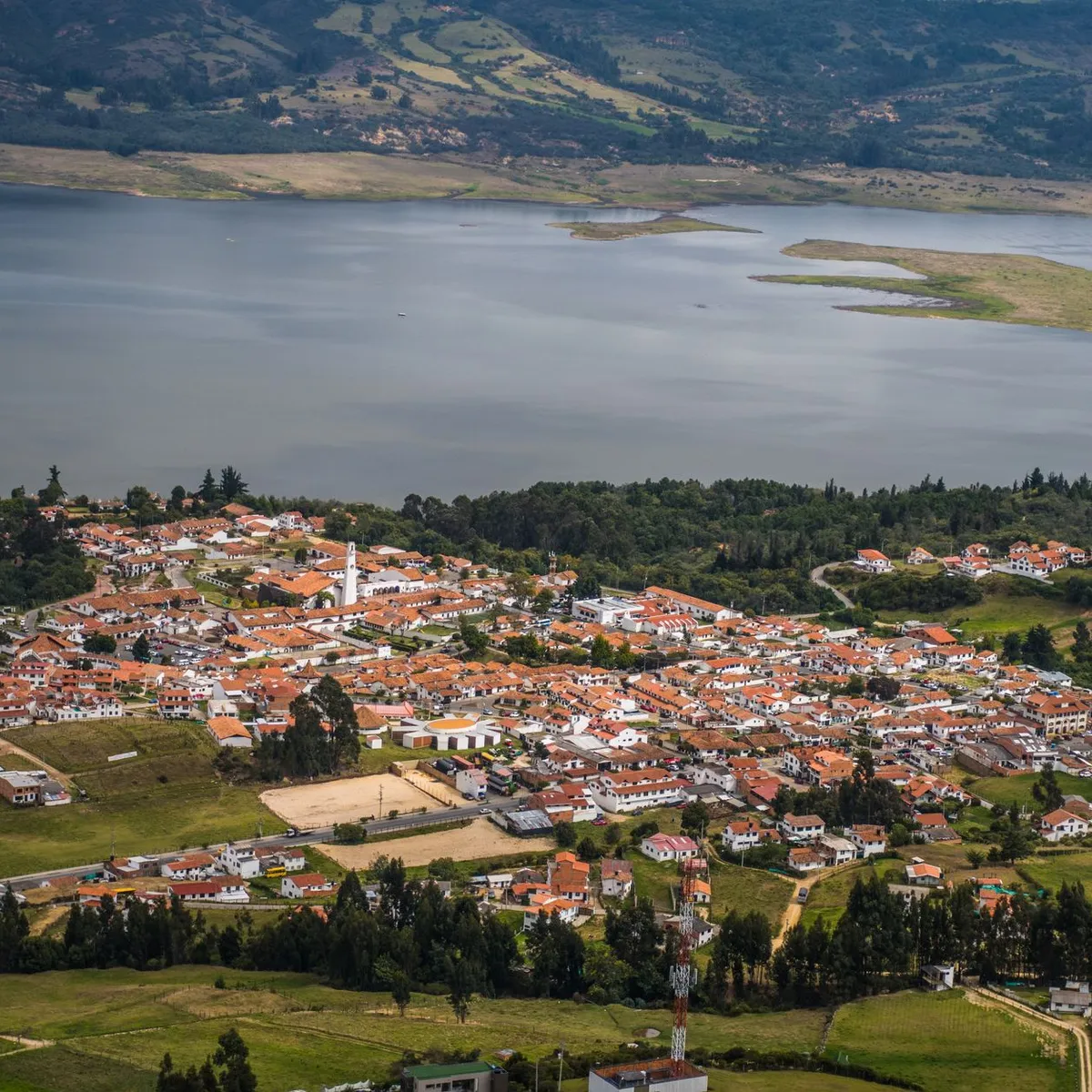
The terrain profile is a caution: OpenTopoData sampling labels the area very hilly, around 2,767 m average elevation, with steep sampled grades. Some central blocks may be manageable, but side streets and approaches can change quickly. OSM pavement confidence is low and many surfaces are untagged, with asphalt, unpaved, and concrete represented. Plan short routes, avoid wet cobbles where possible, and treat “nearby” distances skeptically until mapped or tested.
Healthcare & care
The local healthcare lead is Hospital Universitario Samaritano, with additional OSM hospital leads farther away in Tocancipá, Cajicá, and nearby municipalities. Confirm emergency access, elevator availability, accessible toilets, and specialist services before depending on them. Bogotá remains the more realistic backup for complex care, equipment repair, or specialized rehabilitation.
Costs & housing
The cost estimate is modest by Colombian standards, from ~$1,712/mo, with housing from ~$590/mo. Accessibility will vary sharply by building age. Newer apartments with elevators may be better than charming historic properties with steps. Ask for video confirmation of the entrance, lift, bathroom, shower, and the slope between street and lobby.
Climate & comfort
The high-altitude climate is cool, with strong sun and rainy periods. Bring layers, rain protection, and traction-aware tires or assistance for slick surfaces. Altitude can increase fatigue, especially when pushing on slopes.
Accessible things to do
Salt Cathedral of Zipaquirá— The headline attraction, an underground church in a salt mine and major pilgrimage/tourism site; verify current wheelchair route, elevator or ramp arrangements, distances, and emergency procedures before booking.
Plaza de los Comuneros— The historic central plaza is a useful low-time outing for cafés and architecture; inspect curb cuts and paving on arrival.
Parque de la Sal / salt-mine precinct— A broader cultural precinct around the cathedral; confirm shuttle, gradients, and toilet access rather than assuming the whole site is step-free.
Historic centre cafés and churches— Good for short, flexible visits if you choose modern entrances and avoid peak crowds.
Community & language
Spanish is the operating language. Tourist staff at the Salt Cathedral may be more used to visitors than smaller venues, but detailed access questions should still be written in Spanish. Keep Bogotá transport contacts available for medical or equipment backup.
Would we recommend it?
Yes for a short, planned cultural visit, especially if the Salt Cathedral confirms access in writing. For a longer stay, we would recommend it only with verified housing and a transport plan because terrain and pavement uncertainty are real constraints.
These figures combine public statistics, models, and live weather where available. Every city is different — treat this as a guide, and share what you know in the Reviews & Corrections tab.
Profile last updated 7/2/2026.