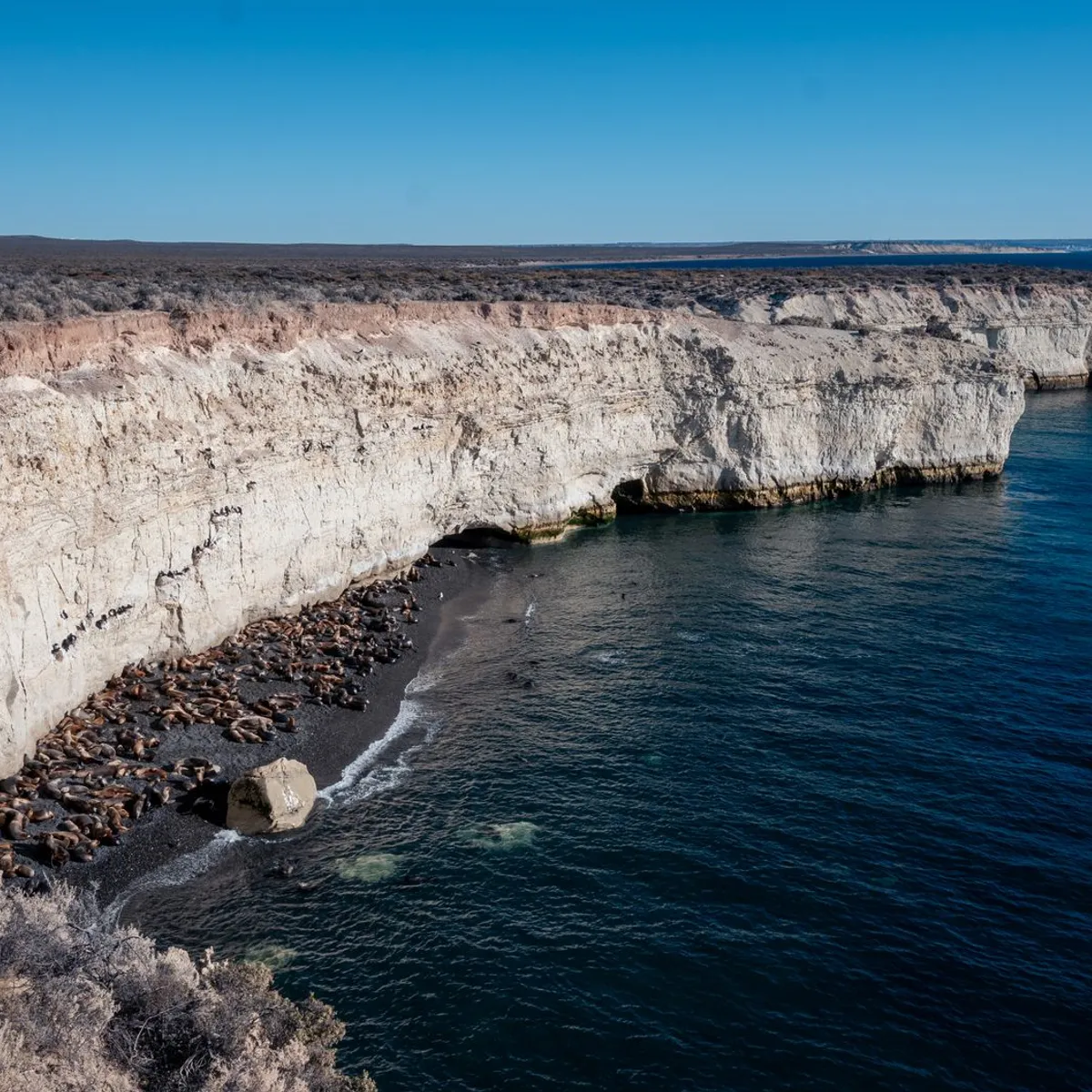
 Photo: ema reynares / Pexels
Bahía Blanca
Bahía Blanca accessibility for wheelchair users
Compare Bahía Blanca by accessibility, transport, terrain, healthcare, cost, weather, laws, reviews, and community notes.
Bahía Blanca accessibility scores
Compare Bahía Blanca by accessibility, transport, terrain, healthcare, cost, weather, and laws. General stats use public data and models. Community rows reflect member reviews and votes.
General stats
National benchmarks and estimates — your experience in this city may differ.
Community
Starts from our estimate — thumbs up nudge toward Excellent, down toward Poor. Reviews use 1–5 stars.
These figures combine public statistics, models, and live weather where available. Every city is different — treat this as a guide, and share what you know in the Reviews & Corrections tab.
Profile last updated 6/30/2026.
Bahía Blanca wheelchair accessibility guide
Research Bahía Blanca for wheelchair users and caregivers: getting around, terrain, healthcare, costs, climate, accessible things to do, and practical caveats before booking.
Last updated 6/30/2026At a glance
Bahía Blanca is a flat, practical Argentine port city rather than a polished resort. RollVenture’s model estimates living from ~$1,669/mo and housing from ~$519/mo, with good pavement confidence by local data standards. For wheelchair users, the appeal is a lower-cost urban base with hospitals, culture, and transport links; the caution is that accessibility information is not consistently published for individual attractions, so many details need direct confirmation.
Getting around
The municipality publishes city mobility resources, bus information, maps, Wi-Fi, and tourism pages. That is helpful for planning, but it does not guarantee step-free buses or perfect stops. Wheelchair users should confirm accessible taxi options, ask accommodations about drop-off conditions, and cluster errands around the center. For regional trips or late returns from the port area, private transport is safer than assuming spontaneous accessible service.
Terrain & mobility
The terrain profile is gently rolling with low grades, and the pavement profile has high confidence with many asphalt/paved samples. That makes Bahía Blanca more promising for short urban rolls than hillier cities in this batch. Still, surface quality can change quickly at crossings, older sidewalks, and outlying neighborhoods, and some paved roads in the data are matched with dirt or poor-surface samples. Scout important routes in daylight.
Healthcare & care
OpenStreetMap healthcare leads include Hospital de la Asociación Médica - Guardia and several clinics near the center. Argentina has disability-rights laws, but enforcement and practical access can vary by building. Before a longer stay, confirm emergency intake, private clinic options, pharmacy delivery, and whether your accommodation is within a reliable ride of care.
Costs & housing
Costs are one of Bahía Blanca’s strengths. Use the DB estimate of from ~$1,669/mo and housing from ~$519/mo as a broad planning number, then spend extra time vetting the building. Ask for elevator dimensions, backup access if an elevator is down, bathroom photos, and step-free entry from the street. A slightly more expensive central unit can be worth it if it reduces transport uncertainty.
Climate & comfort
Bahía Blanca is known for wind and variable weather. Wind can make manual-chair travel more tiring even on flatter streets, and hot or dusty days can be uncomfortable on exposed sidewalks. Plan errands in shorter loops, keep sun protection handy, and choose housing with easy nearby groceries.
Accessible things to do
Municipal tourism circuit / central plazas— The city’s official tourism pages list urban sights and museums; use the central grid for a low-gradient first outing while checking curb cuts in person.
Teatro Municipal— A major civic landmark listed by the municipality; contact the box office for current wheelchair seating, entrance, and restroom details before buying tickets.
Museos de Bahía— The municipal site groups local museums; verify each building separately because older cultural buildings may have steps or limited restroom access.
Puerto de Bahía Blanca waterfront area— A worthwhile car-based or taxi-supported outing; confirm exact accessible viewpoints, toilets, and return transport.
Community & language
Spanish is essential for healthcare and housing. Tourism staff may answer written questions, but accessibility details are often case-by-case. Prepare a short Spanish message covering chair width, stair tolerance, bathroom needs, and whether you can transfer.
Would we recommend it?
Yes for budget-conscious travelers who want a flatter Argentine city and are willing to verify venues directly. It is not a “turn up and everything is accessible” destination, but the terrain, cost, and healthcare leads make it more workable than many similarly scored cities if you stay central and plan transport carefully.
These figures combine public statistics, models, and live weather where available. Every city is different — treat this as a guide, and share what you know in the Reviews & Corrections tab.
Profile last updated 6/30/2026.
Reviews & corrections
Share your experience or suggest a data correction. Both appear publicly; admin updates official city scores and costs separately.
Log in to write a review or suggest a correction.
No reviews or corrections yet.