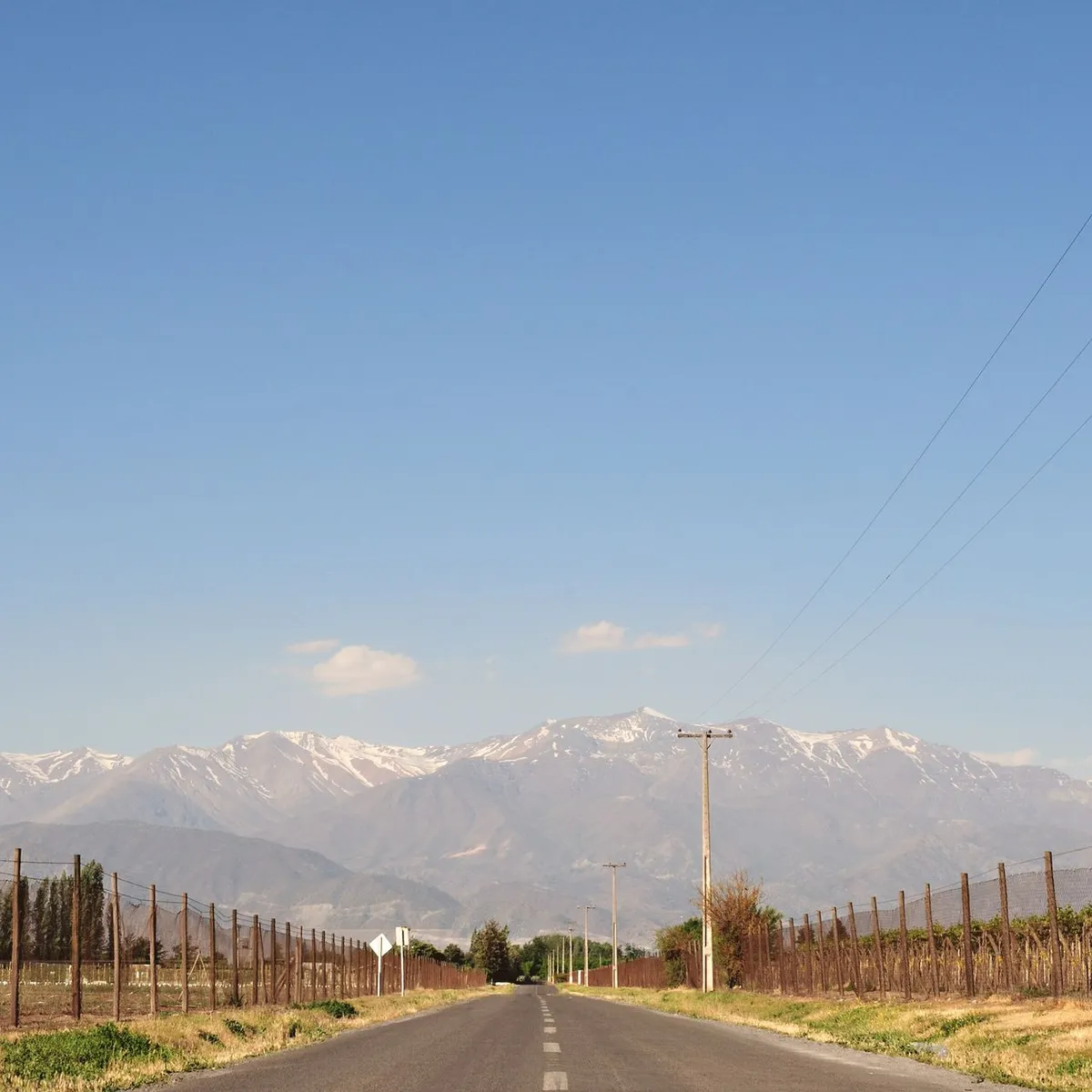
 Photo: DΛVΞ GΛRCIΛ / Pexels
La Pintana
La Pintana accessibility for wheelchair users
Compare La Pintana by accessibility, transport, terrain, healthcare, cost, weather, laws, reviews, and community notes.
La Pintana accessibility scores
Compare La Pintana by accessibility, transport, terrain, healthcare, cost, weather, and laws. General stats use public data and models. Community rows reflect member reviews and votes.
General stats
National benchmarks and estimates — your experience in this city may differ.
Community
Starts from our estimate — thumbs up nudge toward Excellent, down toward Poor. Reviews use 1–5 stars.
These figures combine public statistics, models, and live weather where available. Every city is different — treat this as a guide, and share what you know in the Reviews & Corrections tab.
Profile last updated 6/30/2026.
La Pintana wheelchair accessibility guide
Research La Pintana for wheelchair users and caregivers: getting around, terrain, healthcare, costs, climate, accessible things to do, and practical caveats before booking.
Last updated 6/30/2026At a glance
La Pintana is a working-class commune in southern Greater Santiago rather than a classic tourist base. It may work for travelers with family, care, or budget reasons to be in the south of the metro area, but first-time wheelchair users are usually better off sleeping closer to central Santiago or an accessible Metro corridor and visiting La Pintana by planned transfer. RollVenture’s row estimates monthly living costs from ~$2,418/mo and housing from ~$992/mo. The strongest live signal is pavement: OSM confidence is high and most sampled tagged surfaces are asphalt, concrete, or paved.
Getting around
Do not assume La Pintana itself is served like central Santiago. Plan trips by car, accessible taxi, or bus routes checked in advance. Santiago’s Metro network publishes accessibility information and many stations have elevators, but the useful step-free station may be outside the commune; confirm the exact route, elevator status, and last-mile curb conditions before relying on it. For daily life, pick housing near a wide arterial with predictable vehicle access rather than a small interior street.
Terrain & mobility
The terrain model marks the area very hilly at the broader sample scale, with grades up to about 10.9%, but the pavement profile is much better than many cities in this batch: 98% good among tagged samples and high confidence. In practice, that means rolling surfaces may be better than the score suggests, while curb ramps, driveway slopes, street crossings, and bus-stop design still need local verification.
Healthcare & care
Healthcare leads in the DB row are mostly in the south/east Santiago orbit rather than on one compact medical campus: Hospital de Niños, Integramédica, Integramédica Tobalaba, Centro Médico Santa Elena, and CESFAM José Manuel Balmaceda. Treat them as planning leads only. For ongoing care, confirm which clinics accept your insurance or cash payment, whether exam rooms and bathrooms are accessible, and how long transfers take at peak traffic.
Costs & housing
The DB model shows La Pintana as cheaper than the most central Santiago neighborhoods but not ultra-low-cost. Accessible rentals need careful screening: elevator buildings are not guaranteed, sidewalks around older blocks can be uneven, and ground-floor units may still have steps at gates or bathrooms too narrow for transfers. Ask for a video route from street to shower.
Climate & comfort
Santiago has hot, dry summers and cooler winters with air-quality inversions. Shade, air conditioning, and reliable transport matter in summer; in winter, prioritize indoor transfer space and medical proximity.
Accessible things to do
Plaza de Armas / civic center of La Pintana— a practical orientation point for errands and local services; verify curb ramps and pedestrian crossings on the exact block.
Parque Mapuhue area— a local green-space lead for short outings; path condition and toilets should be checked before making it a main activity.
Museo Interactivo Mirador, La Granja— a nearby Greater Santiago museum anchor; confirm current accessibility features, elevators, and transport from La Pintana.
Central Santiago day trip— accessible Metro/vehicle planning can open museums, parks, and civic sights beyond the commune; check elevator status the same day.
Community & language
Spanish is the default for housing, clinics, and transport. A local contact makes the city much easier, especially for arranging taxis and checking whether a route is safe after dark.
Would we recommend it?
Yes, but only for people with a reason to be in southern Santiago and a confirmed accessible home base. As a general visitor base, it is more logistical than scenic; as a cost-conscious local stay, it can work with strong route planning.
These figures combine public statistics, models, and live weather where available. Every city is different — treat this as a guide, and share what you know in the Reviews & Corrections tab.
Profile last updated 6/30/2026.
Reviews & corrections
Share your experience or suggest a data correction. Both appear publicly; admin updates official city scores and costs separately.
Log in to write a review or suggest a correction.
No reviews or corrections yet.