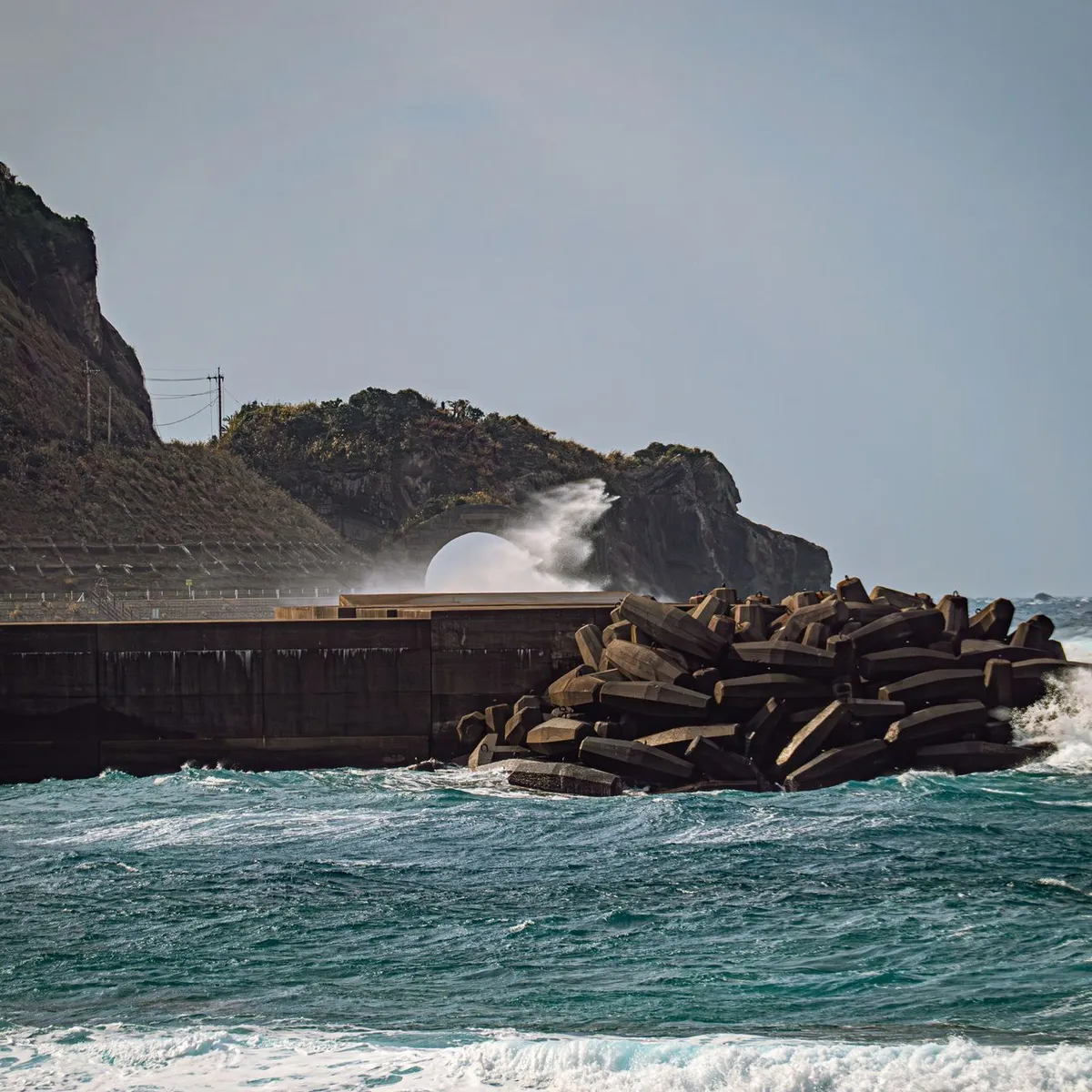
 Photo: Christopher Politano / Pexels
Kagoshima
Kagoshima accessibility for wheelchair users
Compare Kagoshima by accessibility, transport, terrain, healthcare, cost, weather, laws, reviews, and community notes.
Kagoshima accessibility scores
Compare Kagoshima by accessibility, transport, terrain, healthcare, cost, weather, and laws. General stats use public data and models. Community rows reflect member reviews and votes.
General stats
National benchmarks and estimates — your experience in this city may differ.
Community
Starts from our estimate — thumbs up nudge toward Excellent, down toward Poor. Reviews use 1–5 stars.
These figures combine public statistics, models, and live weather where available. Every city is different — treat this as a guide, and share what you know in the Reviews & Corrections tab.
Profile last updated 6/30/2026.
Kagoshima wheelchair accessibility guide
Research Kagoshima for wheelchair users and caregivers: getting around, terrain, healthcare, costs, climate, accessible things to do, and practical caveats before booking.
Last updated 6/30/2026At a glance
Kagoshima is a large southern Japanese city with trams, ferries, museums, gardens, and views of Sakurajima. It is more urban and service-rich than many nearby towns, but the live DB profile still shows mixed terrain and only moderate accessibility scores. Costs are estimated from ~$3,077/mo overall, with housing from ~$1,541/mo. It can work well for a wheelchair user who stays near the central tram/ferry/civic corridors and verifies each heritage or hillside outing.
Getting around
Kagoshima has trams, buses, JR services, ferries, and taxis. For wheelchair planning, check tram stop design, vehicle accessibility, station elevators, and ferry boarding assistance in advance. The central area around Kagoshima-Chuo, Tenmonkan, the waterfront, and major museums is the most practical planning zone. Sakurajima trips need extra confirmation around ferry ramps, buses, and weather.
Terrain & mobility
The city includes flatter waterfront and commercial corridors plus steeper approaches toward viewpoints and residential slopes. The DB pavement profile is relatively strong for Japan in this batch, but old sidewalks, tactile paving, gutters, and curb transitions still matter. Gardens and historic sites may have gravel, slopes, or stepped subareas even when main entrances are managed.
Healthcare & care
The database lists nearby clinics and hospitals from OSM, including central medical leads. Treat them as starting points only. For longer stays, confirm elevator access, accessible toilets, appointment language, prescription handling, and whether a support person can accompany visits. Japanese-language help will make healthcare and care-worker setup much easier.
Costs & housing
The DB baseline is from ~$3,077/mo total, including housing from ~$1,541/mo, transport from ~$240/mo, medical from ~$127/mo, and home aid from ~$620/mo. Prioritize modern apartment buildings near Kagoshima-Chuo or the central tram/ferry corridor. Verify entrance ramps, elevator size, bathroom layout, balcony thresholds, and evacuation routes.
Climate & comfort
Kagoshima is warm, humid, and affected by heavy rain, typhoons, and volcanic ash from Sakurajima. Ash can make outdoor rolling uncomfortable and slippery, so indoor backup plans and mask/eye protection matter. Summer heat makes shaded routes and air-conditioned breaks essential.
Accessible things to do
Sengan-en Garden— a signature historic garden with Sakurajima views; verify current step-free routes because garden paths and historic buildings can be uneven or partial-access.
Kagoshima City Aquarium— a strong indoor waterfront option; confirm wheelchair seating for shows, elevator routes, and accessible toilets before visiting.
Tenmonkan shopping arcade— useful for food, shopping, and rainy-day strolling; individual restaurants and shop thresholds vary.
Sakurajima Ferry and visitor area— a memorable outing if ferry boarding and onward transport are confirmed; weather, ash, and bus access can change the experience.
Community & language
Japanese is the working language. Tourism staff may help with basic English, but accessibility specifics and healthcare arrangements are much easier with Japanese-language support.
Would we recommend it?
Yes, with planning. Kagoshima offers enough urban services and accessible indoor options to be workable, but volcanic ash, summer humidity, and partial access at scenic sites mean a wheelchair user should keep routes conservative.
These figures combine public statistics, models, and live weather where available. Every city is different — treat this as a guide, and share what you know in the Reviews & Corrections tab.
Profile last updated 6/30/2026.
Reviews & corrections
Share your experience or suggest a data correction. Both appear publicly; admin updates official city scores and costs separately.
Log in to write a review or suggest a correction.
No reviews or corrections yet.