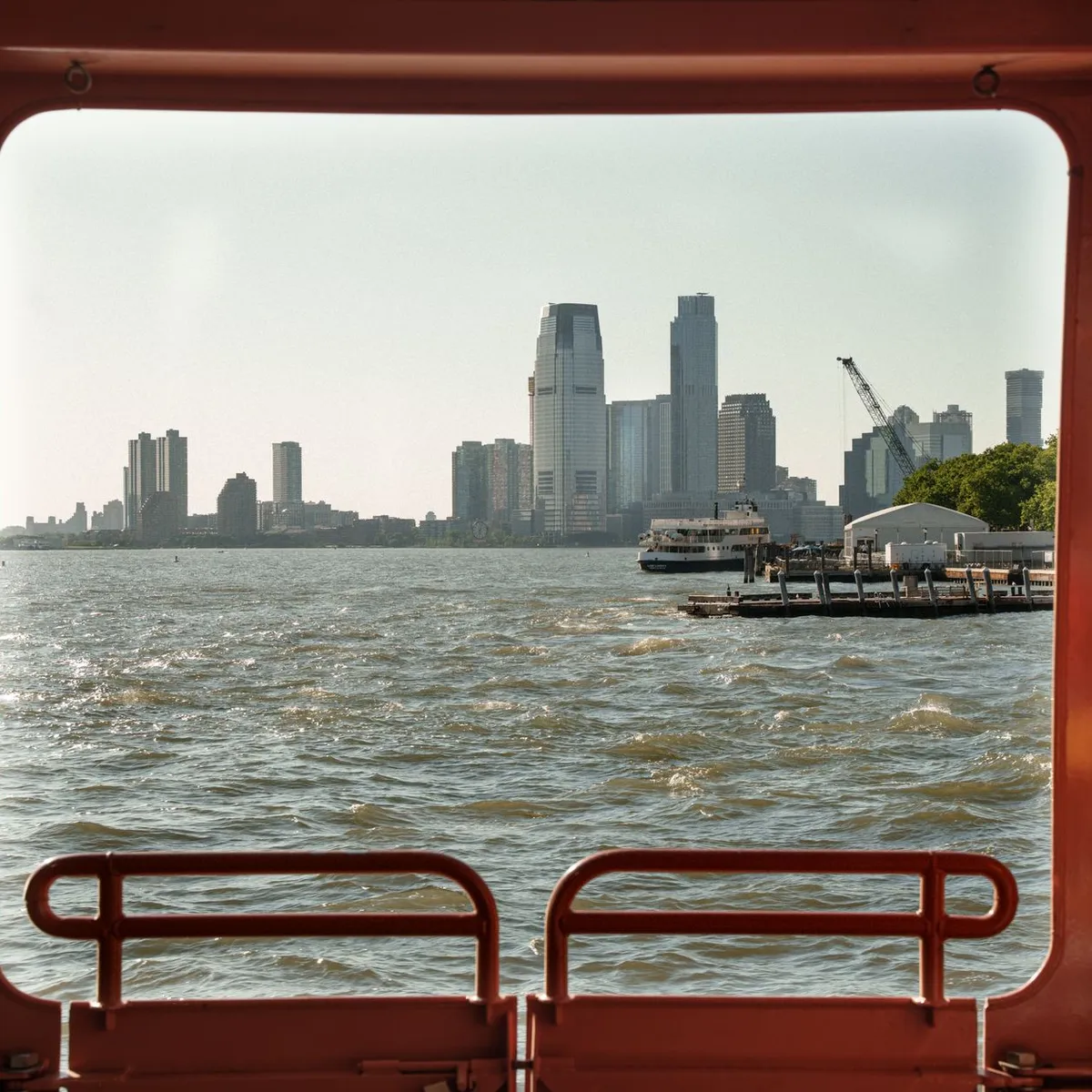
 Photo: Jesse R / Pexels
Staten Island
Staten Island accessibility for wheelchair users
Compare Staten Island by accessibility, transport, terrain, healthcare, cost, weather, laws, reviews, and community notes.
Staten Island accessibility scores
Compare Staten Island by accessibility, transport, terrain, healthcare, cost, weather, and laws. General stats use public data and models. Community rows reflect member reviews and votes.
General stats
National benchmarks and estimates — your experience in this city may differ.
Community
Starts from our estimate — thumbs up nudge toward Excellent, down toward Poor. Reviews use 1–5 stars.
These figures combine public statistics, models, and live weather where available. Every city is different — treat this as a guide, and share what you know in the Reviews & Corrections tab.
Profile last updated 6/30/2026.
Staten Island wheelchair accessibility guide
Research Staten Island for wheelchair users and caregivers: getting around, terrain, healthcare, costs, climate, accessible things to do, and practical caveats before booking.
Last updated 6/30/2026At a glance
Staten Island is a lower-risk New York City base for wheelchair users who want quieter neighborhoods, ferry access to Manhattan, and relatively flat coastal terrain. RollVenture’s live row rates it strongly for accessibility, with high transport and ramp indicators, but the cost profile is still New York: from ~$3,881/mo overall and from ~$1,761/mo for housing. Treat it as a practical borough stay rather than a cheap escape. The best fit is someone who values ferry views, parks, and slower streets, and who can plan around bus/subway elevator status before each cross-borough trip.
Getting around
The Staten Island Ferry is the anchor: the official ferry site was reachable during source checks, and the ferry is the simplest step-free connection between St. George and Lower Manhattan. Local buses and the Staten Island Railway can be useful, but real access depends on stop conditions, ramps, and elevator/service notices, so check MTA accessibility updates before travel. Paratransit and wheelchair taxis should be booked ahead for late evenings or medical appointments.
Terrain & mobility
The DB terrain profile is encouraging: mostly flat, about 50 m elevation range, and a sampled max grade around 1%. Pavement data is high confidence but mixed, with asphalt common and some gravel/unpaved segments. Waterfront and ferry areas are easier than park trails or older residential blocks. Winter snow, curb cuts blocked by cars, and long distances between accessible bathrooms are the main day-to-day friction points.
Healthcare & care
OpenStreetMap healthcare leads include CityMD plus several clinics within borough reach, but these are leads, not guarantees. For complex care, many residents still cross to Manhattan, Brooklyn, or New Jersey, so factor ferry or bridge travel time into appointments. The row’s monthly medical and PT estimates are moderate for the region, but home-aid costs are high enough that longer stays need confirmed provider availability before booking housing.
Costs & housing
Expect New York pricing: the row shows from ~$3,881/mo, including housing from ~$1,761/mo, food around $600, and transport around $314. Accessible apartments are easier to evaluate in larger elevator buildings near St. George, Stapleton, or New Dorp, but verify door widths, bathroom turning space, building entrance slope, and whether the elevator has backup plans during outages.
Climate & comfort
Open-Meteo monthly data shows cold winters with snow days and frequent precipitation, plus humid summers around the mid-20s °C. Winter slush can make curb ramps unusable even when sidewalks are technically flat. Summer ferry waits are manageable if you plan shade and hydration.
Accessible things to do
Staten Island Ferry— A practical scenic ride and transit link; verify current boarding assistance and terminal elevator status before relying on a tight connection.
Snug Harbor Cultural Center & Botanical Garden— Its official accessibility page was reachable; use it as a planned destination, but confirm garden route conditions after rain.
Gateway National Recreation Area / Fort Wadsworth— The National Park Service accessibility page was reachable; expect some paved viewpoints mixed with historic-site gradients.
St. George waterfront and ferry terminal area— A relatively easy low-effort outing if you want skyline views, food, and transit close together; still check curb cuts street by street.
Community & language
English is the default, with New York’s broad multilingual services nearby. Community life is neighborhood-based rather than tourist-centered, which can help with repeat pharmacies, clinics, and groceries if you stay several weeks.
Would we recommend it?
Yes, with budget caveats. Staten Island works best for wheelchair users who want a calmer NYC base and can handle ferry-led planning. It is not ideal if you need spontaneous subway access or cheap accessible housing.
These figures combine public statistics, models, and live weather where available. Every city is different — treat this as a guide, and share what you know in the Reviews & Corrections tab.
Profile last updated 6/30/2026.
Reviews & corrections
Share your experience or suggest a data correction. Both appear publicly; admin updates official city scores and costs separately.
Log in to write a review or suggest a correction.
No reviews or corrections yet.