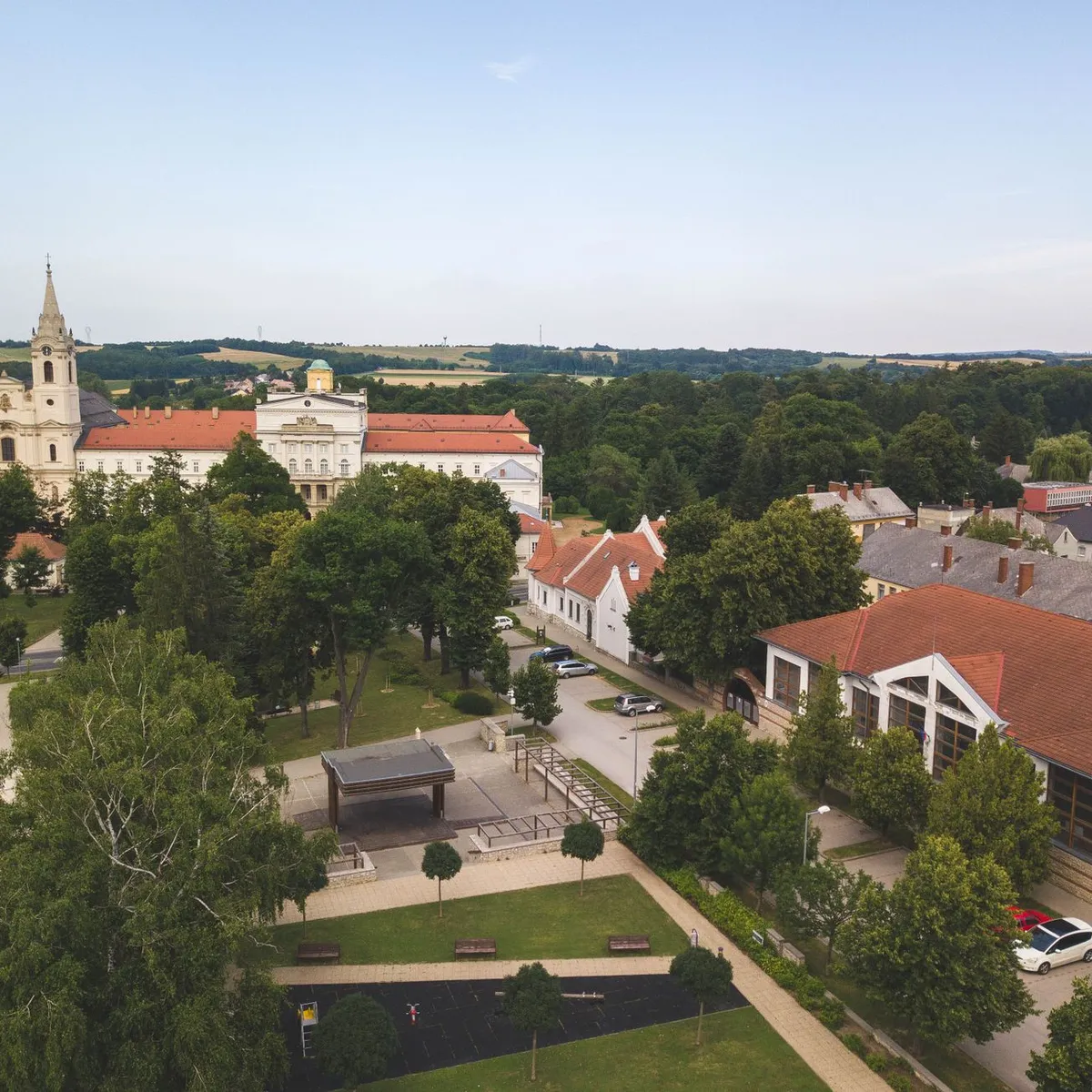
 Photo: Wittmann Csaba / Pexels
Zugló
Zugló accessibility for wheelchair users
Compare Zugló by accessibility, transport, terrain, healthcare, cost, weather, laws, reviews, and community notes.
Zugló accessibility scores
Compare Zugló by accessibility, transport, terrain, healthcare, cost, weather, and laws. General stats use public data and models. Community rows reflect member reviews and votes.
General stats
National benchmarks and estimates — your experience in this city may differ.
Community
Starts from our estimate — thumbs up nudge toward Excellent, down toward Poor. Reviews use 1–5 stars.
These figures combine public statistics, models, and live weather where available. Every city is different — treat this as a guide, and share what you know in the Reviews & Corrections tab.
Profile last updated 6/30/2026.
Zugló wheelchair accessibility guide
Research Zugló for wheelchair users and caregivers: getting around, terrain, healthcare, costs, climate, accessible things to do, and practical caveats before booking.
Last updated 6/30/2026At a glance
Zugló is Budapest’s District XIV, a mostly residential east-side district that works best for wheelchair users who want Budapest services without sleeping in the densest inner core. The RollVenture row shows a population of about 130,000, a monthly cost from ~$2,208/mo, and a strong pavement sample: OSM-based pavement confidence is high, with many asphalt or paving-stone ways and only a small poor-surface share. The tradeoff is that Zugló is not uniformly barrier-free. It has flat pockets around major roads and parks, but the terrain profile still flags some hilliness, and older sidewalks, kerbs, and tram-adjacent crossings can vary block by block.
Getting around
Budapest’s BKK has a dedicated accessibility section covering accessible transport and reduced-mobility support, so plan trips in the official journey planner rather than assuming every stop works. Zugló is served by buses, trolleybuses, trams, and nearby metro/rail links; the practical approach is to filter for low-floor or accessible options, leave extra transfer time, and check lift or platform status before committing to a route. Taxis or ride-hail with advance discussion may still be needed for late evenings, medical appointments, or luggage days.
Terrain & mobility
The local terrain sample is mixed: average elevation is modest, but the profile records a hilly label and a maximum sampled grade around 4.5%. That is manageable for many power-chair users and some manual-chair users with assistance, but fatigue can build on longer park-to-neighborhood routes. OSM pavement sampling is comparatively encouraging for Budapest, with asphalt and paving stones common; still, expect construction detours, tree-root lift, utility covers, and occasional setts near older public spaces.
Healthcare & care
OpenStreetMap healthcare leads near Zugló include Anahata Terápiás Központ, XV. Kerületi Önkormányzat Egészségügyi Intézménye, Péterfy Sándor utcai kórház Szövetség utcai részlege, Medicare, and Madarász Utcai Gyermekkórház Szakrendelő. Treat these as leads, not guarantees: call ahead for step-free entrances, lift dimensions, language support, and wheelchair transfer help. The row estimates medical costs from ~$128/mo, PT from ~$90/mo, and home aid from ~$491/mo.
Costs & housing
RollVenture’s stored estimate is from ~$2,208/mo, with housing around $916/mo. Zugló can be better value than central Pest, but accessible housing is the hard part: many older buildings have steps before lifts, narrow elevators, heavy courtyard doors, or bathrooms that need adaptation. Favor newer apartment blocks, ground-floor entries, and listings with measured door widths and lift photos.
Climate & comfort
The climate data suggests cold winters around 0.5°C in January, warm summers around 23.3°C in July, and precipitation in every season. Snowy or icy periods are not constant, but winter slush can make kerbs and tram stops harder. Summer heat is real but usually less extreme than southern Europe; prioritize air conditioning, shaded routes through City Park, and housing with reliable heating.
Accessible things to do
City Park / Városliget routes— broad park paths can be a useful low-traffic outing, but surfaces and event closures vary, so verify the exact entrance and route.
Budapest Zoo & Botanical Garden— a major visitor anchor near Zugló; check current accessibility details before visiting and plan for crowds.
Museum of Fine Arts / Heroes’ Square area— a high-value cultural cluster reachable from the district; confirm step-free entrance and lift access for the date of visit.
Puskás Aréna area— useful for events and open plazas; event-day wheelchair seating, drop-off, and transit access should be booked or verified in advance.
Community & language
Hungarian is the default language, but Budapest’s tourism, healthcare, and university ecosystem gives you better English odds than smaller Hungarian cities. Zugló feels local rather than resort-like, so daily-life admin may require translation help. Disability access expectations are improving but uneven; written confirmation matters.
Would we recommend it?
Yes, cautiously, for wheelchair users who want a Budapest base with parks, services, and better value than the inner districts. It is not a “show up and everything works” destination: verify transport legs, apartment access, and clinic entrances in advance. The strongest fit is a power-chair user or manual-chair user with some assistance who values Budapest amenities and can plan around older infrastructure.
These figures combine public statistics, models, and live weather where available. Every city is different — treat this as a guide, and share what you know in the Reviews & Corrections tab.
Profile last updated 6/30/2026.
Reviews & corrections
Share your experience or suggest a data correction. Both appear publicly; admin updates official city scores and costs separately.
Log in to write a review or suggest a correction.
No reviews or corrections yet.